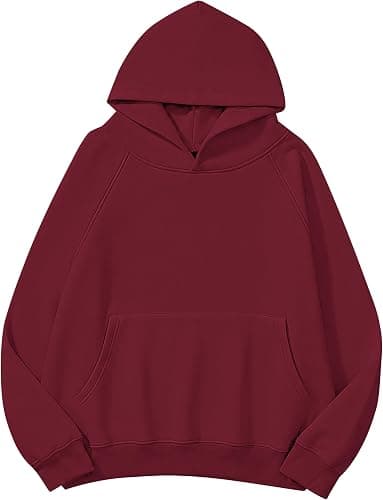
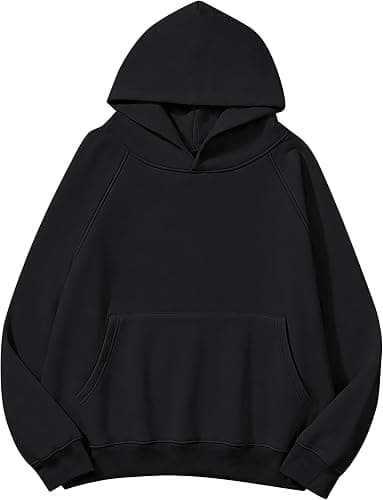
Hoodies for Societies: samples
By The Velocity Wear Team
A sample hoodie costs £150 and that fee is credited against the bulk order once you place it. For a committee it is worth more than the garment itself: it is a physical object you can take to a meeting, pass around, try on and vote on, instead of arguing about a picture on a phone in a group chat for three weeks.
Why does a committee benefit from a sample more than most buyers?
Because a society decision is collective and the money is not yours. A brand owner can back their own judgement on a render. A committee spending membership fees has to justify the result afterwards, and the easiest way to do that is to have had the garment in the room before the order went in. It also settles the fit argument, which is the one that always runs longest. Bring the sample to a meeting, let people put it on, and the size form that follows will be far more accurate. The garment options it can be built against are on the wholesale hoodies page.
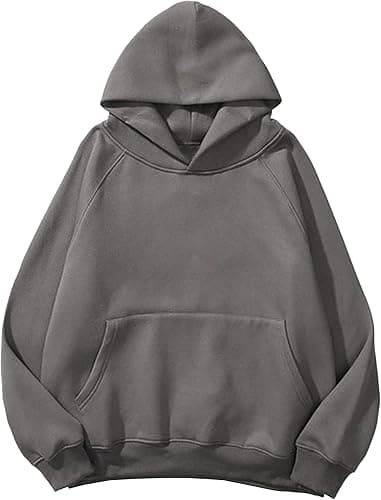
What should the committee check?
Split it between the people in the room so it gets done properly.
- Fit on at least three different body shapes, not just whoever ordered it.
- Crest position on a worn garment, since a chest print that looks right flat can sit low once the hood hangs.
- Colour of the ink against the garment in daylight, particularly anything pale on a dark base.
- Fabric weight against how it will actually be worn, indoors in a lecture hall or outdoors at a match.
- Back lettering size, read from across the room rather than from arm length.
Is £150 justifiable out of a society budget?
It is credited against the bulk order, so a society that goes on to place the run is not paying it twice. Put it in the budget as a line item and say so when you propose the order, because a treasurer who learns about it later is a treasurer with a question. Against the cost of getting 50 hoodies wrong, it is small. AI Mockups vs Physical Samples sets out exactly what a render cannot show you, and Booster Club Spirit Wear covers similar budgeting decisions for groups raising money through kit.
When should the sample be ordered?
Early, because it sits in front of the 10 to 15 working day production window rather than beside it. The efficient sequence for a society is to agree the garment and artwork, order the sample, open the size form while the sample is being made, review it at the next meeting, then approve bulk with the form closing around the same time. That way the sample buys you certainty without buying you a delay. Student groups ordering through our schools and leavers pages will find the same sequencing applies to leavers hoodies.
Decide in advance who has the final say on it. A sample that arrives into a committee with no agreed decision-maker produces a fortnight of opinions and no approval, which is precisely the delay it was bought to prevent. Name one person, hand them the checklist, and let them come back to the group with a recommendation rather than a question. A vote is for whether to place the order at all, not for whether the crest is two centimetres too low.
If it comes back wrong, resist the urge to make do. A committee that accepts a crest sitting visibly off centre because the sample already took a fortnight will hear about it from members for the rest of the year. Adjust the specification, say clearly what has to change, and allow for the extra days. The point of the exercise is to buy yourself the right to say no once, cheaply, before 50 garments exist.