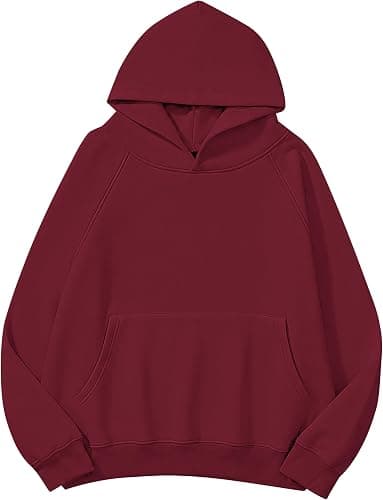
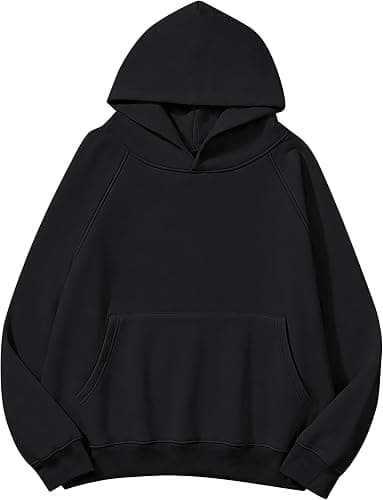
DTF vs Screen Printing on Hoodies
By The Velocity Wear Team
DTF prints your design onto film and heat-presses it onto the hoodie, so a full-colour photograph costs the same as a single logo and there is almost no setup. Screen printing pushes ink through one screen per colour, which costs more to start and much less per piece at volume, and leaves a softer finish. Colour count and quantity decide it.
How many colours are in your design?
This is the first question and it often settles the argument on its own. Count the distinct flat colours. One, two or three, and screen printing is straightforward. Four or five and the setup starts to mount up. Gradients, photographs, drop shadows or a design lifted from a digital illustration, and the colour count is effectively unlimited, which is the point at which screen printing stops being sensible.
DTF does not care. The film is printed as a full-colour image with a white backing layer applied behind it, so a twelve-colour design and a one-colour design take the same time and the same money. That makes it the natural home for artwork that was never designed with separations in mind. Our DTF printing service page covers what the process handles.
What does each one feel like in the hand?
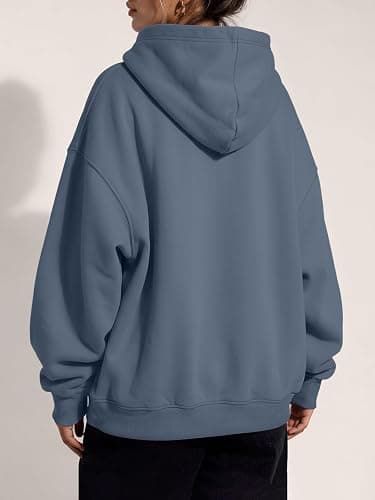
Screen printing on a hoodie, done well, sits close to the surface. With a soft-hand ink and a light deposit you can run a hand over it and barely register the edge. That is the finish retail buyers associate with a good garment.
DTF has more body. The transfer is a film layer with adhesive behind it, so the printed area is a distinct patch you can feel. On a small chest mark nobody notices. On a 14-inch back graphic across brushed fleece you do, particularly at the heavier 400 to 450 GSM weights where the garment is already substantial. It is not a defect, it is the trade-off for unlimited colour.
Which wins on a short run?
DTF, comfortably. At the 50-piece minimum there is no setup to amortise, so the whole cost is per print. That also means it barely gets cheaper as you scale: 500 pieces of DTF costs roughly ten times 50 pieces, minus whatever the garment itself saves you across the volume bands.
Screen printing does the opposite. It starts higher and falls away, and by a few hundred pieces it is the cheaper decoration by a clear margin on a simple design. If you expect to repeat the order several times, the screens are made once and the second run starts from a better position, which is worth factoring in alongside the tiers described in reordering wholesale hoodies.
So which should you pick?
Pick DTF when the artwork is full colour, photographic or gradient-heavy, when the run is close to 50 pieces, when you want several different designs across a small total quantity, or when a design is changing between runs and screens would be wasted.
Pick screen printing when the design is one to three flat colours, when the quantity is in the hundreds, when the print is large and you want it to feel like part of the fabric, or when the hoodie is a retail product where hand feel is part of what you are selling. Either way, build the quote on the wholesale hoodies page, and make sure the file you send is built at final size, as set out in what 300 DPI means for a chest print.