Midweight vs Heavyweight on Caps
By The Velocity Wear Team
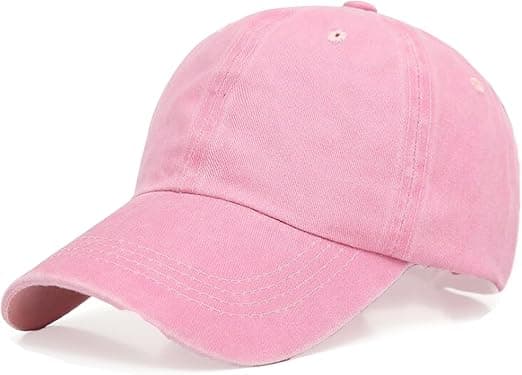
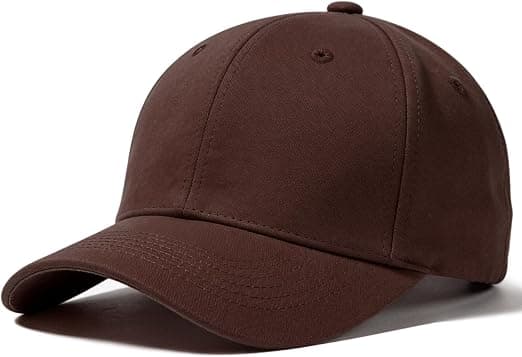
Midweight cap twill feels supple, packs flat and suits unstructured shapes. Heavyweight twill feels dense, stands taller and carries a bigger embroidery without distorting. Neither is better than the other. A dad cap wants the lighter cloth; a structured six panel front wants the heavier one. Both sit in the same $12 starting price at the fifty-piece minimum, so the choice is about behaviour, not budget.
What does cap weight actually describe?
Fabric weight is measured in grams per square metre of the cloth before anything is cut or sewn. Midweight cap twills sit in the lighter part of the range and heavyweight ones climb well above it, but the number on its own tells you less on headwear than it does on a hoodie, because a cap is a small piece of fabric held in shape by other components. Interlining, seam count and the sweatband all pull on the same result.
That is why two caps with the same stated weight can feel completely different. A stiffened front panel makes midweight twill stand upright; leave the stiffener out and heavyweight twill will still flop forward a little once it has been worn. Read the weight alongside the construction rather than on its own, and read the whole spec on the wholesale caps page before comparing quotes.
Which weight holds a structured crown?
Heavyweight twill is the safer choice where the crown has to look sharp from across a room. It resists the small creases that form where the panels meet, and it keeps a flat brim genuinely flat rather than letting it soften into a curve. Five panel and six panel builds in heavier cloth are what most streetwear and event caps use for that reason.
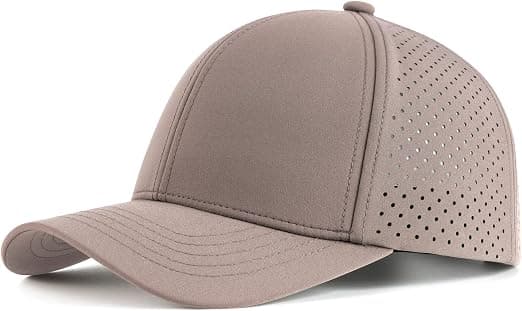
Midweight comes into its own on dad caps and unstructured six panels, where the point of the garment is that it sits low and soft. Putting heavyweight cloth into an unstructured shape produces a cap that neither stands up nor relaxes; it just feels stiff on the head. Truckers land in between, because the mesh back carries no weight at all and only the front panel is in play.
How does weight change the decoration?
Stitch count is the thing to watch. A dense embroidery or a 3D puff logo puts thousands of needle penetrations into a small area, and lighter cloth can pucker or dimple around the edges of the design even with backing. Heavier twill absorbs that punishment without visible distortion, which is why big front-panel embroidery is usually specified on the heavier build.
For DTF and sublimation the weight barely matters; those decorate the surface and do not stress the weave. If your artwork is a small side-panel mark or a printed graphic, midweight is fine and you keep the softer hand. Compare the two builds side by side on the comparison page if you are weighing up more than one product at once.
What does the weight do to price and shipping?
The cloth difference on a single cap is small. What adds up is volume and freight: heavier caps mean heavier cartons, and a pallet of structured heavyweight six panels weighs noticeably more than the same count of soft dad caps. On a large run into the USA or Europe that shows on the freight line rather than the unit line.
Against that, quantity discounting works the same way for both. Moving from the 50-piece band up through the tiers reduces the unit price by up to 35% at the top, and that saving dwarfs the fabric difference. If you are choosing between a lighter cap at higher volume and a heavier one at lower volume, run both numbers before deciding.
Pick this when
- Choose midweight for dad caps, unstructured six panels, festival giveaways and anything that has to pack down small.
- Choose heavyweight for structured snapbacks, flat brims, large front embroidery and caps that need to look sharp on a shop floor.
- Choose a trucker if you want a heavy printed front without the weight of a full heavyweight crown.
The weight number is only half the conversation. The other half is what that number means generally across apparel, which is set out in GSM explained for buyers, and how it applies specifically to headwear in GSM explained for bulk caps.