Caps for Events: size splits
By The Velocity Wear Team
For most events there is no size split to make. Snapbacks, truckers and strapback dad caps adjust, so fifty caps covers fifty heads and the only number you need is a head count. The split that does matter at an event is a different one: how many go to crew, how many go on the stall, and how many you hold back for the people who turn up unplanned.
Do event caps need sizes at all?
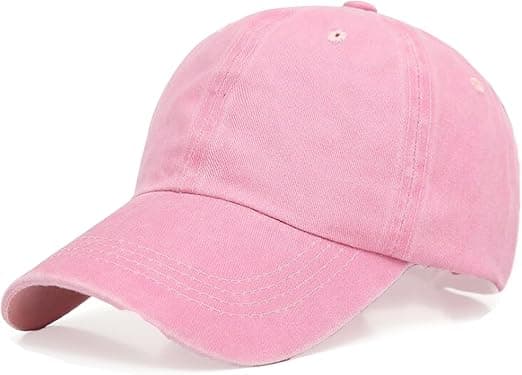
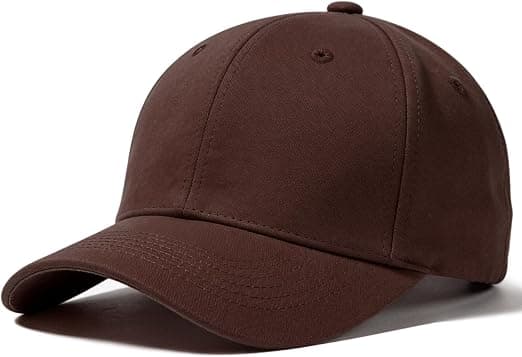
Adjustable ones do not. A plastic snap closure, a strap-and-buckle or a mesh-back trucker all fit a wide range of heads from one unit, which is why caps are the item event organisers reach for when the volunteer list is still changing the week before. There is nothing to survey and nothing to guess. The differences between the closures are covered in snapback vs fitted vs strapback caps explained.
Fitted caps are the exception and they behave like sized garments. If the look you want needs a fitted crown, you are committing to a size run and to the possibility of leftovers in the sizes nobody took. That is a design decision with an operational cost, and it is worth making deliberately rather than by accident.
How do you cover crew and public in one run?
Decide whether they need to look different at all. If crew can be distinguished by a lanyard, a tabard or a printed tee, one cap design serves both groups and the whole order moves up the tier ladder together, which pulls the unit price down. If they must differ, remember the fifty-piece minimum is per design, so two versions is two runs of fifty.
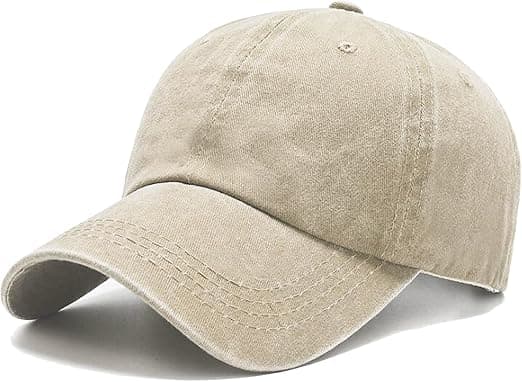
Sizes can be mixed freely inside the fifty where a blank offers a range, so a fitted run does not need fifty of one size. What it needs is a decision about the shape of that run before production starts, because it cannot be adjusted once the caps are made.
What split should a merch run use?
For adjustable caps, the split is by colour and design rather than size, and that is where the judgement sits. A single strong design in the event colours nearly always outsells three variants spread across the same total quantity, because each variant needs its own fifty and its own setup, and the stall ends up with three shallow piles instead of one deep one.
Keep the artwork free of the year and the line-up if you can. An undated cap is stock next season rather than a clearance item, which changes how much you are prepared to order. The broader kit planning for a site is in custom apparel for events and venue staff, and the industry view sits on our events and festivals page.
How do you avoid boxes left over after the gates close?
Order the crew number exactly and let the merch number carry the risk, because crew is a known figure and merch is a forecast. Hold back a small reserve from the crew allocation for late additions rather than ordering a separate top-up run later, since a second run is another fifty pieces and another production window.
Then count what came back. The number of unsold caps at the end of the weekend is the most accurate planning data you will ever get for the next event, and it is only available for about an hour while someone is packing the van. Write it down. The styles available for the next run are on the wholesale caps page.
One sizing-adjacent decision is worth making deliberately: whether crew caps need to be visible at distance. If stewards have to be findable across a crowded field, a high-contrast colour does more work than any amount of logo detail and costs exactly the same. That is a colour choice rather than a size one, but it is the decision most often left until the artwork stage, by which point the blank has already been fixed. Settle the colour when you settle the head count and the rest of the order falls into place.