Caps for Agencies: size splits
By The Velocity Wear Team
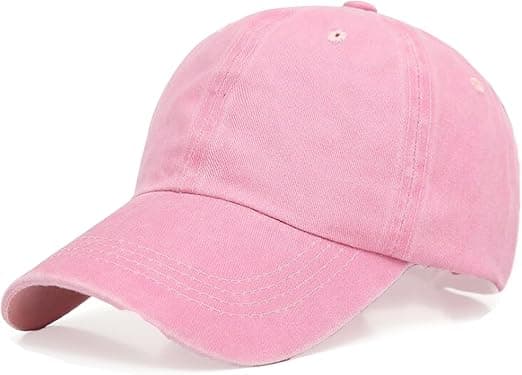
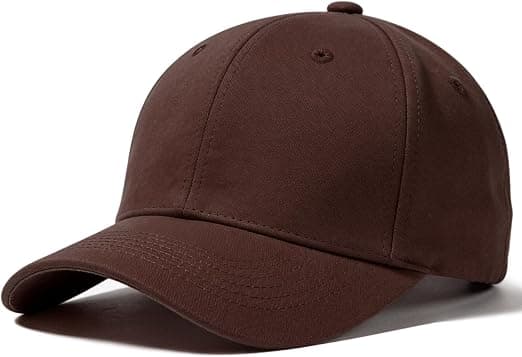
Most caps ship as one adjustable size, so an agency ordering fifty rarely faces the size curve that a t-shirt run demands. The split that matters instead is style and colour: how many six-panels against dad caps, and how many of each panel colour. Get that wrong and the leftover box is the same problem under a different name.
Do caps need a size split at all?
Usually not. Snapbacks, truckers and most dad caps close with a strap, a buckle or a plastic adjuster, which covers the realistic range of head sizes in a campaign audience. Fitted caps are the exception and they do carry a size run, which is a good reason to avoid them on a giveaway where nobody has measured anyone. The styles we hold are listed on the wholesale caps page, and the way we run client programmes is on the corporate pages.
Where structure varies, fit varies with it. A stiffened six-panel sits high and can feel large on a smaller head; an unstructured cap sits low and forgives more. That is a fit decision disguised as a style decision, and it is worth making before the artwork rather than after.
How should fifty pieces be allocated?
By who receives them, not by what looks good in a mockup. A campaign that splits between staff on a stand and visitors taking one home has two audiences with different expectations. Staff wear the same cap for three days and care about comfort; a visitor decides in two seconds whether it goes in a bag or in a bin.
- 1Count the staff first and order that number exactly, plus a handful for losses.
- 2Estimate giveaways from footfall rather than from hope, and round down.
- 3Keep the colour count low. Two colours across fifty pieces is manageable; five is a pile of ones and twos.
- 4Remember that the fifty-piece minimum is per design, and any colourway needing its own screens counts separately.
What causes leftover stock on a cap campaign?
Dated artwork, mostly. A cap carrying a year, a venue or a campaign strapline has a shelf life measured in weeks, and whatever is left after the event is landfill in a cupboard. A mark that is just the brand keeps working at the next three events, which is why the best value cap order is usually the one that never needs reprinting.
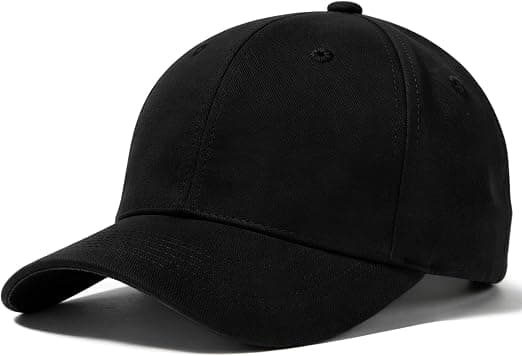
The second cause is colour spread. A full palette sounds good in the brief, and then forty of the fifty people ask for black. If the brand allows it, run one strong colour deep and treat a second as the accent. For the fit and shape trade-offs behind those choices, custom dad caps and unstructured caps explained is the clearest comparison, and apparel sizing and fit covers the same logic across garments that do carry a size run.
What if the campaign includes more than caps?
Then the sizing problem returns, because tees, hoodies and joggers all need a curve. Keep the cap count simple and spend the planning effort on the garments. One useful habit is to let the cap absorb the overspill: an attendee who cannot get their size in a hoodie can still be handed a cap, which keeps a stand from looking empty at four in the afternoon.
If the decoration method is still open across those items, decide it alongside the split rather than after it — caps for agencies: print or embroidery covers which method suits which mark.