Caps for Agencies: print or embroidery
By The Velocity Wear Team
Embroidery is the default on a cap and suits most agency work: a logo, a wordmark, anything with clean edges. 3D puff raises a bold shape off the panel. DTF and sublimation come into play when the artwork is photographic or full of gradients, which thread cannot reproduce. The panel itself narrows the choice more than the brief does.
Why does the cap decide the method?
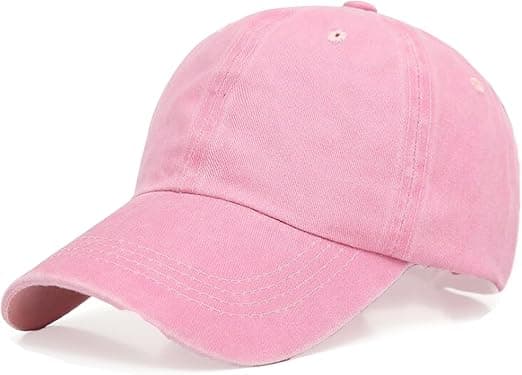
A cap front is small, curved, and on structured styles backed with stiffening. That geometry rules things out fast. Artwork wider than the front panel has to shrink, and shrinking a logo is where fine serifs and thin outlines disappear. A mark that works on a chest print at 25 centimetres may need redrawing at eight. The methods we run are listed on the wholesale caps page, alongside how we handle client-side brand rules on the corporate pages.
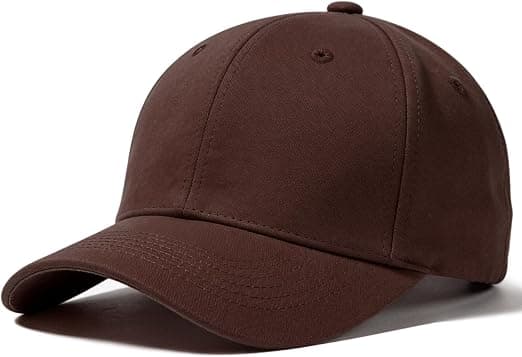
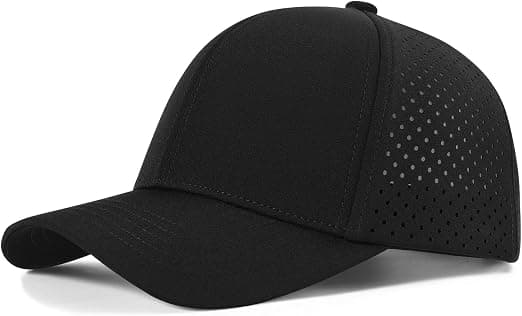
Panel seams matter too. A six-panel has a centre seam running up the front, which splits any artwork crossing it. A five-panel gives you one clean face. That single structural difference decides a surprising number of campaign designs.
What does each method actually do?
- Embroidery: thread stitched into the panel. Durable, tactile, and the safest choice for a logo that has to survive weather and washing.
- 3D puff: foam under the stitch so letters stand off the cap. It suits thick, simple shapes and fights anything delicate.
- DTF: a printed transfer, which handles gradients and photographic detail that thread cannot.
- Sublimation: dye into the fabric itself, used where the artwork covers a whole panel rather than sitting as a badge on it.
- Screen printing: mostly a flat-garment method, relevant where the cap sits in a wider kit alongside tees.
Agencies working to a strict brand book should check the mark against the method before promising anything. Thread colours are matched to a numbered range rather than mixed on demand, so a very specific corporate shade is a conversation, not an assumption.
How does the choice change the cost?
Embroidery is priced against stitch count, so the size and density of the mark drives it rather than the number of colours. A tight crest with an outline and a date underneath costs more to stitch than a clean wordmark twice the width. How embroidery stitch count affects cost shows where the money goes, and it is the easiest lever to pull when a client budget is fixed.
Caps start at $12 a piece at the fifty-piece minimum and step down through the quantity tiers, up to 35% off that fifty-piece price at the top. Simplifying the artwork and raising the quantity pull in the same direction, which is worth showing a client as two options on one page — caps for agencies: cost sets that out.
What should be proofed before the run?
The stitch file, not the logo file. Digitising is an interpretation: someone decides stitch direction, density and how small type is handled, and two digitisers will produce two different results from the same artwork. That is the thing to approve, and approving it starts the 10 to 15 working day production clock.
If the mark is unusual or the client is exacting, a physical cap removes the argument entirely. Caps for agencies: samples covers what to look at, and 5-panel versus 6-panel caps explains the seam question that decides where the artwork can sit.