Caps for Agencies: samples
By The Velocity Wear Team
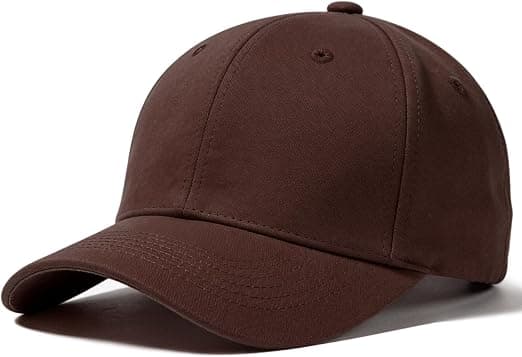
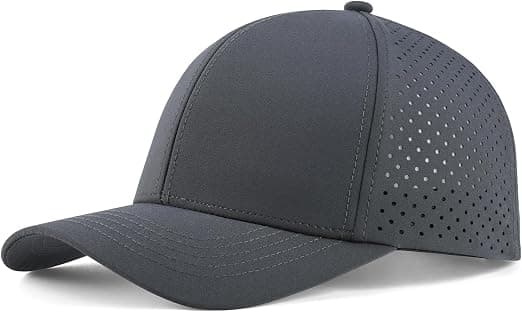
A cap sample is £150, credited against the bulk order when it is placed. For an agency it is less a quality check than a sign-off device: a physical object the client holds, approves and cannot revisit once fifty pieces are in production. On a campaign with a fixed launch date, it is the least expensive insurance on offer.
What does a sample give an agency that a proof cannot?
Finality. A proof on screen invites comments, because everyone reviewing it is looking at an image and imagining an object. A cap on a desk ends the imagining. Clients who have handled the sample ask for changes before the run rather than after it, which is the entire point. The blanks available are on the wholesale caps page, and the way client-side approvals run is covered on the corporate pages.
It also protects the agency. When a cap has been signed off in the flesh, a later complaint about the thread being a shade off has an obvious answer, and that answer is in the client's own hands.
How should the sample stage be run?
- 1Lock the blank first. Style, panel colour and closure, because a sample on the wrong blank tests nothing useful.
- 2Order the sample as soon as the client approves the concept, not after the artwork has been through three rounds.
- 3Set a review date with a named approver rather than circulating it and waiting.
- 4Collect every comment in one list and return it once, because each new round pushes the delivery date.
Agencies that treat the sample as a milestone in the campaign plan get it back on time. Agencies that treat it as a courtesy find it sitting unopened on a client's desk during the week that mattered.
What does it do to the schedule?
It adds a step in front of production rather than inside it. Production is 10 to 15 working days from artwork approval, and the sample cycle — make, ship, review, approve — sits before that starts. Transit runs in both directions if the client wants to return a marked-up cap. On a campaign with an immovable date, budget for the sample from the first planning meeting rather than squeezing it in later. Caps for agencies: lead time has the full sequence.
Where the campaign includes more than caps, order the samples together so the client reviews one kit rather than four separate parcels over a month.
When can an agency skip it?
On a repeat of a cap already produced, where nothing has changed. That is a reorder and it runs from records we already hold — caps for agencies: reordering explains what carries over. On anything new, particularly anything a client will photograph, the sample earns its £150 several times.
Renders are useful for internal buy-in and poor for final approval. AI mockups versus physical samples is worth forwarding to any client who asks why a picture will not do, because the honest list of what a render cannot show is longer than most people expect.