Sampling Corporate Uniforms Before a Bulk Order
By The Velocity Wear Team
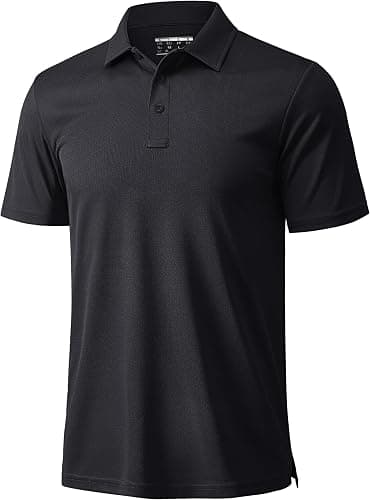
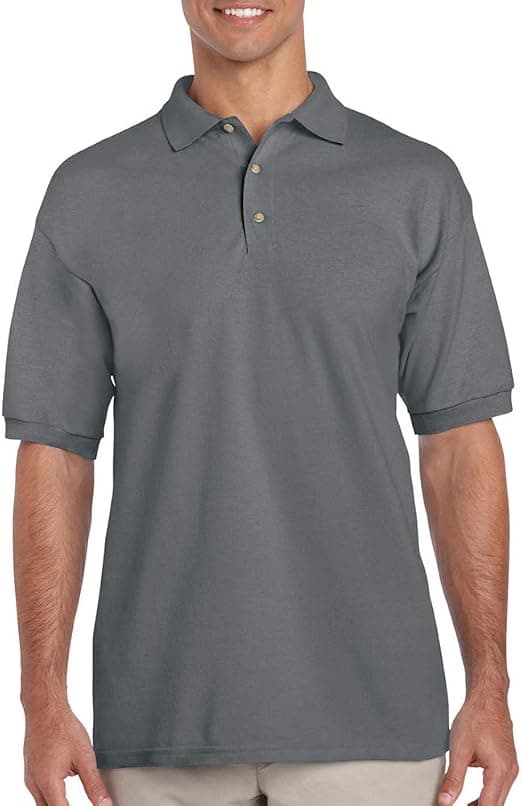
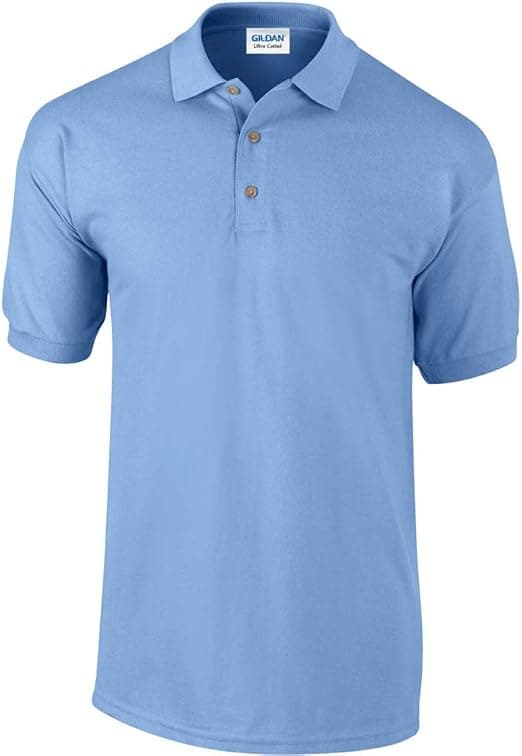
A physical sample of a corporate uniform is £150, and that fee is credited against the bulk order that follows. It exists to answer the questions a screen cannot: how the cloth feels, how the fit sits on a real body, how the decoration looks against the fabric, and what all of that looks like after your own laundry cycle.
What does the £150 sample buy?
A made garment in the specification you are considering, decorated as the bulk run would be. Because the fee is credited against the bulk order, a buyer who samples and then proceeds has not paid extra for the certainty. Samples are never supplied without that fee, which is the honest position — a made and decorated garment costs money to produce whether one or five hundred are ordered.
Where it earns its keep most is on a first order with a new specification, or on a garment shape the team has not worn before. The uniforms range sets out what can be specified, and the tiers you will move into afterwards are on the pricing page.
What should you check when it arrives?
Work through it deliberately rather than passing it round the office for opinions. Put it on the person it is meant for, in the room they work in, for a full shift if you can. Then wash it the way it will really be washed, at the real temperature, and look at it again.
- Fit on the intended body, not on whoever is nearest to the parcel.
- Decoration edge and position after a wash at your normal temperature.
- Colour against your brand reference under the lighting of the actual workplace.
- Seams, collar and placket after a full day of movement rather than five minutes of trying on.
Should every garment in the programme be sampled?
Not usually. Sample the pieces where the risk is real — the fitted garment, the new fabric, the one carrying decoration in an unusual position. A plain apron with a printed badge holds few surprises and rarely justifies its own sample fee.
If budget allows only one, sample whatever the largest part of the order is. A mistake on a fifty-piece apron run is an inconvenience; the same mistake across three hundred shirts is a year of the team wearing something nobody likes.
How does the sample fee work against the bulk order?
The £150 is credited when the bulk order is placed, so it functions as a deposit against a decision rather than an extra cost. What it does not do is shorten the production window: the bulk run still takes 10 to 15 working days from artwork approval, so build the sampling round into the schedule ahead of that.
For buyers working to a fixed date, sampling early removes the most risk for the least money, because every problem it surfaces would otherwise surface during approval. How the timeline fits together is set out in how long bulk uniforms take to make, and the limits of a digital preview are covered in AI mockups vs physical samples.
Be clear internally about what a sample is for, because it attracts opinions that have nothing to do with the decision in front of you. The questions worth answering are whether the fabric survives your wash, whether the fit works on the people who will wear it, and whether the decoration sits where it should. Whether a colleague would personally have picked the colour is not one of them, and letting that conversation start over a sample garment is how a settled specification gets reopened a week before the order was meant to go in.
Keep the sample after you order, too. It becomes the reference for the bulk delivery, and holding the two side by side when the boxes arrive is a two-minute check that would otherwise be an argument conducted from memory.