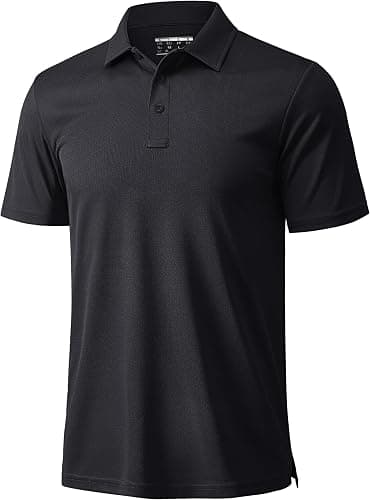
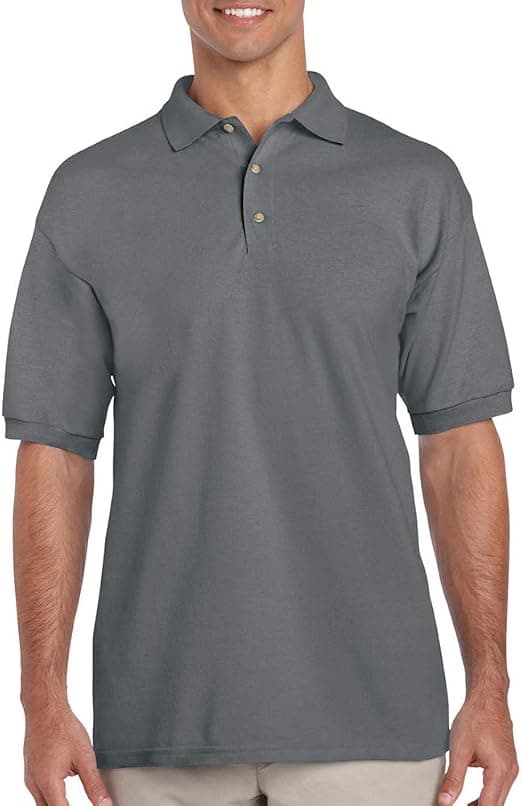
Labels and Packaging for Bulk Corporate Uniforms
By The Velocity Wear Team
Private label options on a bulk uniform order cover custom woven neck labels, tear-out labels, swing tags and packaging. They are quoted on top of the per-piece garment figure and specified before artwork approval, because changing a label after approval means re-cutting it and restarting that run.
Which label options exist on a uniform?
Four, and they do different jobs. A custom woven neck label replaces the manufacturer label entirely, which is the option that makes a garment read as yours from the inside out. A tear-out label gives the wearer a way to remove a stiff label without cutting the seam, which matters on anything worn against the skin all day.
Swing tags sit on the outside and are mostly for pieces that will be issued in packaging or sold rather than handed over in a stack. Packaging itself is the fourth, and it matters more for a retail-facing programme than for a staff rotation. The whole set is listed on the uniforms range, with a wider treatment in branding beyond the print.
Should staff kit carry a care label?
For anything issued to employees and washed on site, yes. A care instruction inside the garment is the difference between a rotation that survives a year and one that is ruined in a fortnight by someone guessing at a temperature. It matters most on blends and on anything with printed decoration.
For programmes that will be sold rather than issued, labelling requirements are a separate subject with its own rules depending on the market. The basics are set out in care labels and clothing compliance.
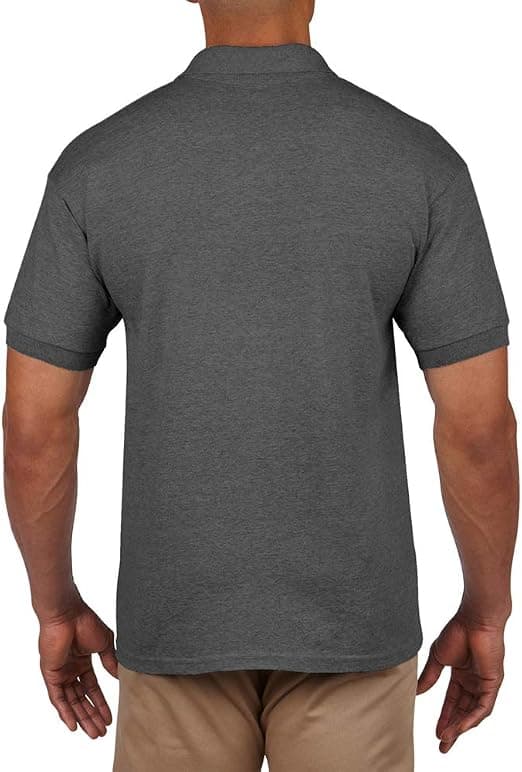
How do the pieces arrive?
Sorted and packed so the receiving end can distribute them without unpacking everything first. Most uniform orders are packed by size, which suits a single site handing kit out from one room. Multi-site orders are better packed by location, with each site receiving its own size split ready to open.
- By size: simplest for a single site issuing from one store cupboard.
- By site: each location opens a box containing only its own allocation.
- Individually bagged: worth it where pieces are being posted on or sold.
- Tagged: where the garment will be presented rather than issued.
Say which you want before production rather than after. Repacking on arrival is a job someone in your organisation will have to do, and it is invisible in a quote until the boxes land.
Does private labelling change the timeline?
It sits inside the same 10 to 15 working day production window, provided the label artwork is approved with everything else. The risk is sequencing rather than duration: a neck label agreed a week after the garment artwork means the run waits for the label, and the production clock effectively starts from the later approval.
So treat labels as part of the artwork package, not as a finishing touch to decide later. Bring the label design, the swing tag copy and the packing instruction to the same approval round as the logo. Bring the label design to the same approval round as the logo, and the cost of each option is set against the tiers on the pricing page.
Budget for labelling at the start rather than bolting it on at the end. It is quoted per piece on top of the garment, so across a large run it is a real line rather than a rounding error, and it is much easier to include from the beginning than to justify as a late addition. On a staff rotation, a woven neck label and a clear care instruction cover most of what the programme genuinely needs. Swing tags and presentation packaging earn their cost only where a garment is handed to a customer rather than to a colleague. Decide which of those two situations you are actually in, and the specification writes itself.