Sports Clubs: Ordering Corporate Uniforms in Bulk
By The Velocity Wear Team
A club order typically covers coaching and volunteer kit alongside anything the members buy, with each design running from fifty pieces at $20 a piece upward. The complications are rarely about the garments. They are sponsor logos arriving late, squad numbers changing, and a season start date that was fixed months before the committee agreed on a colour.
What does a club order usually contain?
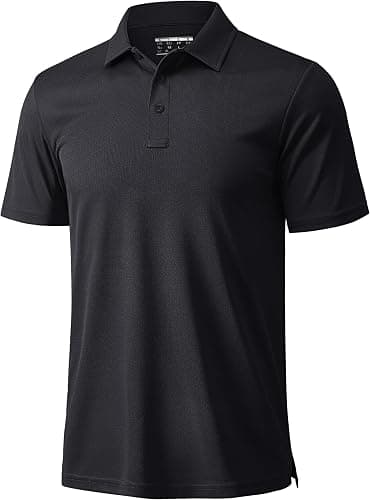
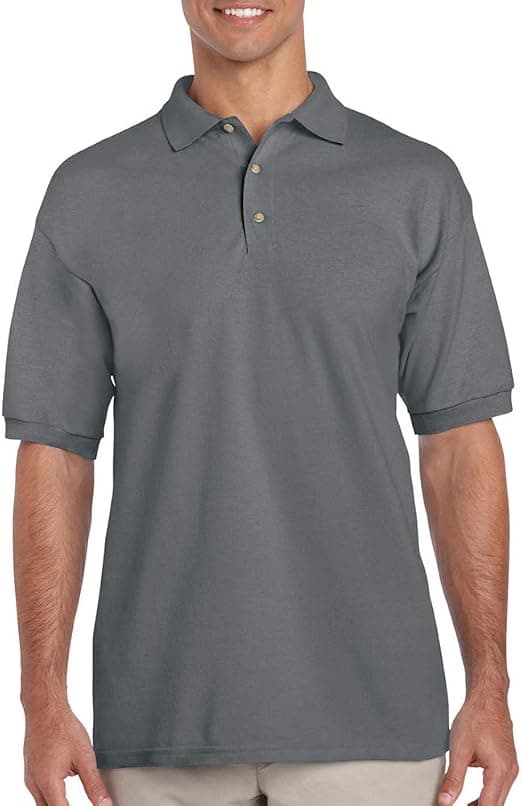
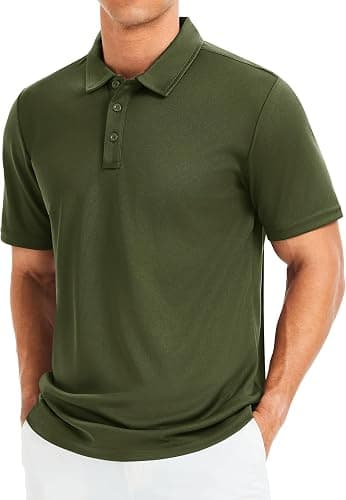
Polos or shirts for coaches and committee, an outer layer for touchline weather, and often a training top the wider membership can buy. Shirts, polos, aprons and outer layers all sit in the same programme on our wholesale uniforms page, though each distinct design counts separately against the fifty-piece minimum.
Small clubs get caught out by that rule. Fourteen coaches do not make a run of fifty, so the practical answer is to build one design that coaches, committee and volunteers all wear, and put the variation into who gets which colour of the same garment only where it genuinely matters.
How do sponsor logos and squad numbers change the job?
Every sponsor adds an artwork dependency you do not control. Ask for files early, in vector where possible, and set your own deadline a fortnight ahead of the real one. A sponsor who sends a logo late is the single most common reason a club order misses the start of a season.
Numbers and names make each garment unique, which removes any possibility of reallocating one later. For squads with turnover, keep numbers on playing kit and leave the coaching and volunteer garments unpersonalised, so a leaver's polo goes back into the cupboard rather than into a bin. The sports clubs page covers what we handle across both.
When should a club order for the season?
Count back from the first fixture, not from the first training session. Production is 10 to 15 working days from artwork approval plus delivery transit, and in front of that sits sponsor artwork, a committee decision and a size collection across people who are only in the same place once a week.
Realistically that means starting in the close season. Clubs that leave it until pre-season are asking the production window to absorb delays that happened weeks earlier, and it cannot. The seasonal planning in club hoodies for UK sports clubs is written around the same calendar problem.
How does the committee collect money and sizes?
One form, one closing date, payment taken at the point of ordering rather than on delivery. Clubs that collect money afterwards end up funding the gap themselves, and the gap is always larger than expected. Sizes mix freely inside the fifty, so an odd curve costs nothing, but a missing entry stops the order.
Order a few spares in the middle sizes and hold them for new members joining mid-season. Corporate uniforms start at $20 a piece and polos at $18, and the tier structure on the pricing page rewards a club that orders once for the whole season rather than three times in it.
Think about where the kit lives between seasons, because clubs rarely have a cupboard and volunteers rarely have space. Unissued stock that ends up in three different houses is stock that has effectively been lost, and the committee that replaces it pays the minimum again for pieces it already owns. One named person, one box, one list of what is in it. The same discipline applies to garments handed back by departing coaches: an unpersonalised polo returned in good condition is a piece the club does not have to buy next year.