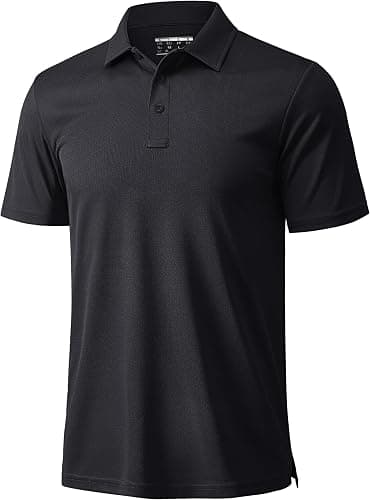
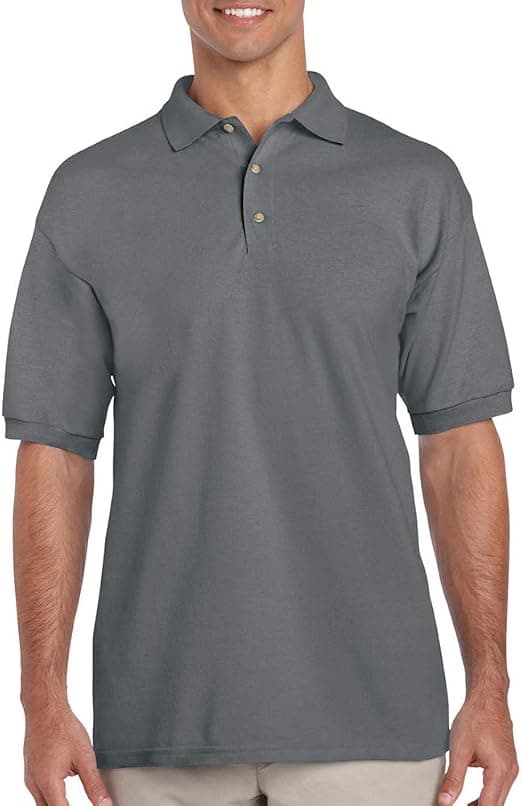
Corporate Uniforms for Events, Ordered Properly
By The Velocity Wear Team
Event crew kit is ordered against one immovable date, so it is planned backwards: gates open, kit is handed out the day before, delivery transit sits in front of that, and production takes 10 to 15 working days from artwork approval. One design of fifty pieces from $20 upward covers most crews, with sizing deliberately generous because nobody measures a volunteer.
How do you kit a crew for a fixed date?
Fix the design first and the details later. Crew clothing does not need to be interesting; it needs to exist on site on the right morning. Choose the garment, choose the mark, approve the artwork, and treat every subsequent good idea as something for next year rather than a change that restarts the production window.
Order to the largest plausible headcount rather than the confirmed one. Event teams grow in the fortnight before the gates open, and a crew member with no shirt is a crew member the public cannot identify. Our wholesale uniforms page covers what runs in a single programme.
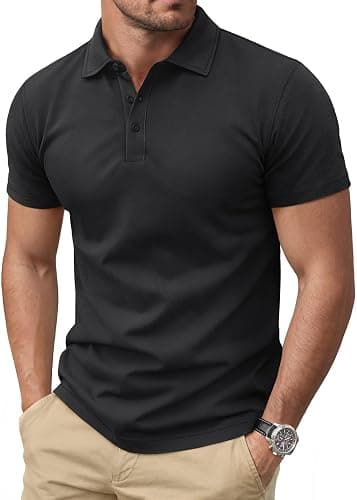
What makes crew clothing readable across a site?
Contrast and size. A small tonal logo that looks refined on a desk is invisible at thirty metres in a crowd, which defeats the point of dressing a crew at all. Put a large mark on the back where it reads from behind, keep the front simpler, and pick a colour nobody in the audience is likely to be wearing.
Roles matter too if the public need to find a specific type of staff member. Where that is the case, a separate colourway is the clearest signal, but remember each colourway that needs its own screens counts as its own fifty. The events and festivals page covers how that usually gets structured.
Should crew kit and merch be the same order?
They are different products and almost always different designs. Crew kit is functional, high contrast and worn for three days; merch is what an attendee wants to keep, which usually means a different graphic entirely and therefore a separate run of fifty. Planning them together is sensible; combining them into one design rarely is.
Budget them separately as well, because merch has to sell and crew kit does not. If you are working out the full apparel picture for a site, custom clothing for events and festivals sets out both halves.
What do you do about volunteers who turn up unsized?
Weight the order heavily towards the middle sizes and accept that a proportion of the crew will wear something approximate. Sizes mix freely inside the fifty, so there is no cost to an uneven curve, and a slightly loose shirt on a volunteer is not a problem the audience will notice.
Keep a reserve box at the crew desk rather than distributing everything on day one. Someone always arrives late, someone always ruins a shirt, and the reserve is the difference between handling that in a minute and not handling it at all. Pricing across the tiers is on the pricing page, and ordering the whole season of events at once is usually cheaper than ordering each one.
Label the boxes for the people unpacking them rather than for the warehouse. Size written on the outside, roles separated if you have ordered more than one colourway, and the reserve marked clearly so it does not get opened first. Crew handout happens in a tent at seven in the morning with a queue forming, and the difference between a sorted box and an unsorted one is twenty minutes of a shift that has not started yet. If the event runs across more than one site, ask for the shipment split at quote stage so each gate gets its own boxes rather than one pile that has to be redistributed.