Wholesale Corporate Uniforms for Cafes
By The Velocity Wear Team
A cafe with five staff can absolutely place a 50-piece order — it just has to count the way a cafe actually runs. Spares for new starters, two or three garments per person, and a second site if there is one all get you there quickly. Corporate uniform pieces begin at $20 each, and the whole run takes 10 to 15 working days to produce.
Can a five-person cafe hit a 50-piece order?
Usually, yes, because the number that matters is garments over a year rather than people on a rota today. Five baristas at three tees each is fifteen. Add weekend cover, add the two people who will join before Christmas, add the pieces that get ruined by bleach, and the honest annual figure is closer to forty. Ordering the year in one run costs less per piece than ordering twice and pays for itself on the second hire.
Groups running more than one site have an easier time still, since the same design covers every shop. The uniforms range is built around exactly that sort of programme, and the arithmetic of the minimum is unpacked in minimum order for wholesale uniforms.
Aprons or tees for front of house?
Most independents run both, and they do different jobs. An apron is the piece customers read at the counter, it carries the logo at eye height, and it protects whatever the barista wore in. A tee is what identifies staff away from the machine — clearing tables, on the pavement, doing deliveries. If the budget only stretches to one design in the first order, the apron usually wins, because it is worn over anything and never needs a size run.
- Aprons: one size covers most staff, the branding sits high, and a cross-back cut is kinder over long shifts.
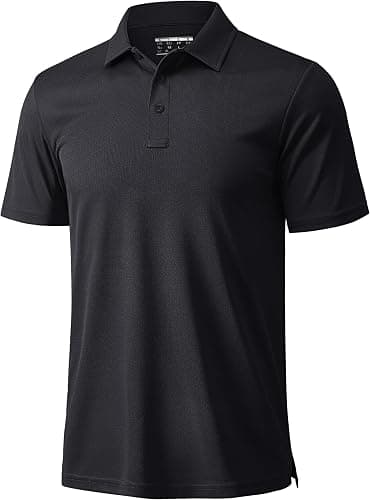
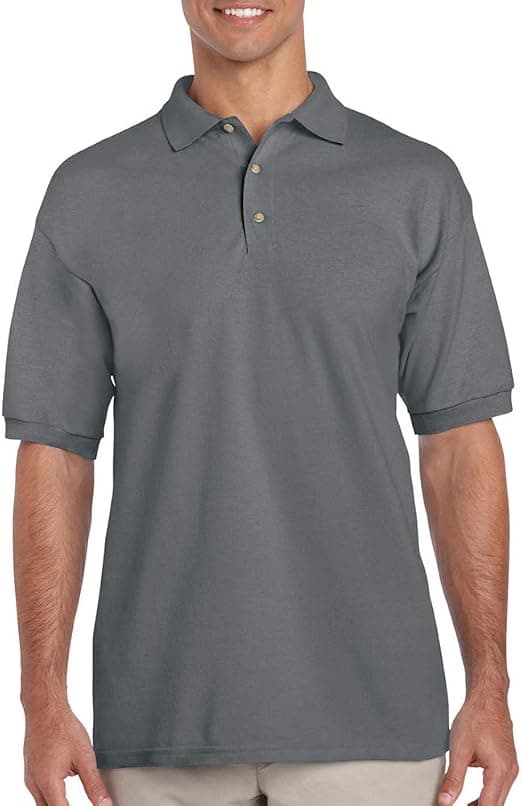
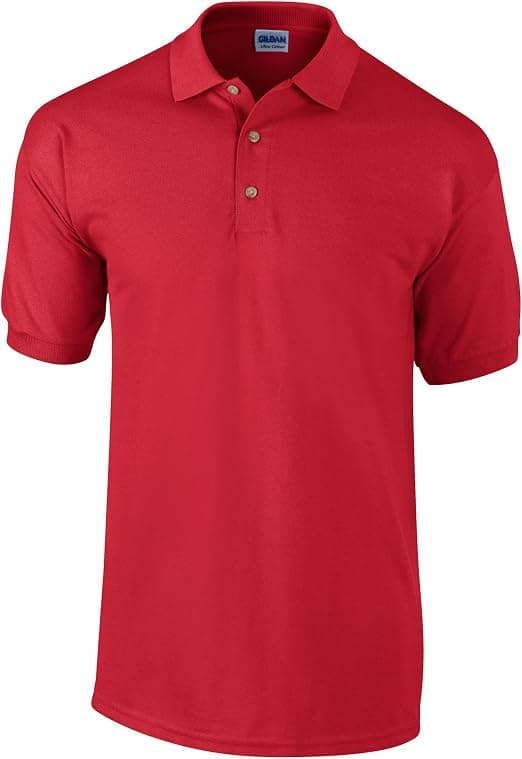
- Tees: need a proper size split, but identify staff away from the counter.
- An outer layer: worth adding once the tee and apron are established, for pavement seating and deliveries.
What survives coffee, milk and bleach?
Cafe kit takes a specific kind of punishment: milk splatter, espresso, syrup, and then whatever cleaning product gets used on it at the end of a shift. Darker colours and mid-tones hide the marks that never fully leave; pale colours look sharp for a fortnight and tired by the second month. Blends hold shape through frequent hot washing better than pure cotton does. Weight and composition are set per programme and confirmed on the sample rather than picked from a fixed list.
Decoration matters as much as cloth. Stitched logos survive repeated washing without a visible edge lifting. Printed logos sit flatter and handle detailed artwork, which matters if the shop mark is illustrative rather than a wordmark. The restaurants and hospitality pages cover the wider front-of-house kit, and there is a practical breakdown in custom staff uniforms for restaurants and cafes.
How do you handle staff turnover?
Hospitality turns over faster than almost any sector, so buy for the year and store the spares. Order a deeper stack in the middle sizes, since a new starter is far more likely to be a medium or a large than an extra small. Keep the artwork approved and on file, and a repeat run later uses the same setup rather than starting again.
The other half of turnover is collecting sizes from people who have not started yet. Do not try. Order the known team accurately, then cover unknown future staff with a spread weighted to the middle of the range, which is what almost every cafe actually issues.
Think too about what happens to kit when someone leaves. Most independents do not ask for garments back, which is fair enough for a tee that has been through two hundred washes, but it does mean the replacement rate runs ahead of the headcount. Build that into the annual figure instead of treating every leaver as a surprise. A shop that budgets for a known replacement rate places one clean order a year. A shop that does not ends up placing two, at a worse rate, and wondering where the uniform line went.