Bulk Corporate Uniforms for Bands: A Buyer's Guide
By The Velocity Wear Team
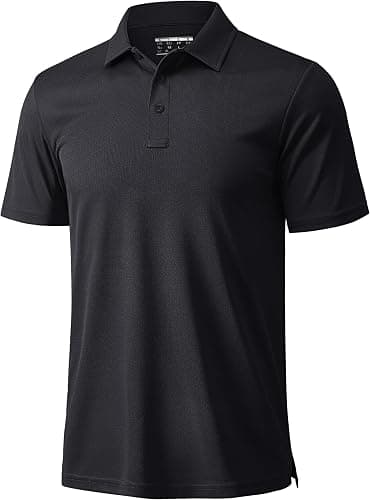
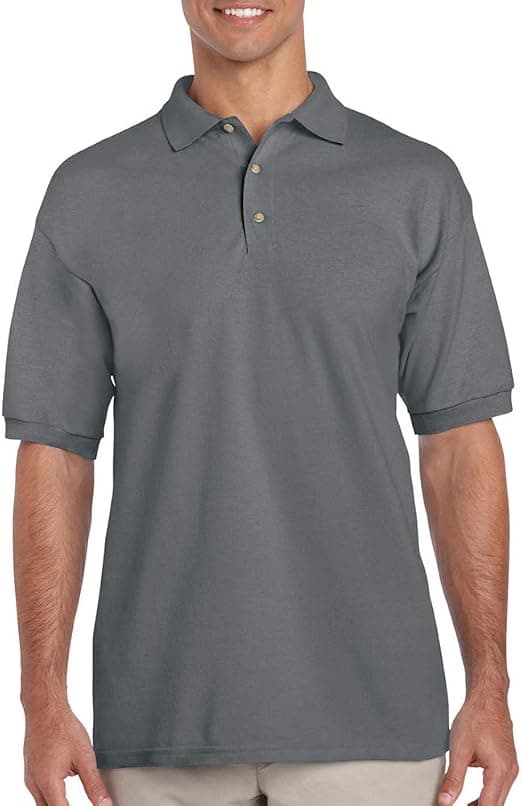
A touring order splits into crew kit, which has to survive load-in and identify staff in a dark venue, and merch, which has to sell at the table. Both start at fifty pieces per design, with corporate uniforms from $20 a piece and tees from $13. The crew side is a fixed cost; the merch side is stock you are carrying.
What does a touring crew actually need?
Something dark, something durable and something with a mark that reads under stage lighting. Crew clothing is worn through load-in, a show and load-out, often in that order without a break, so it wants to be comfortable enough to work in and plain enough that nobody mistakes it for merchandise.
Two or three garments per crew member is the honest number for a run of dates, because laundry on tour is theoretical. That means a small crew still clears the fifty-piece minimum on one design, which our wholesale uniforms page sets out alongside the rest of the range.

How do you size a run you have to sell through?
Merch sizing is a sales forecast wearing a spreadsheet. Weight heavily towards the middle of the range, take a shallow position on the extremes for a first run, and use what actually sold to set the curve for the next one. Sizes mix freely inside the fifty, so the curve is a commercial decision rather than a cost one.
Do not buy depth you cannot carry. Stock that does not sell travels in a van for the rest of the tour and then lives in someone's flat, which is a real cost even though it never appears on an invoice. Deeper tiers, running up to 35% off the fifty-piece price at the largest volumes, only help if the pieces move.
What separates crew kit from merch on the road?
Crew kit is deliberately unattractive to buy. It should carry a functional mark, not the artwork you are selling, because a crew member wearing the current tour design is indistinguishable from a fan and that matters at a barrier. Keeping them visually distinct also stops crew stock quietly being sold at the table on a busy night.
They are separate designs in any case, each against its own fifty, so there is no saving in blurring them. The bands and music page covers both sides of a tour order.
When should a tour order go in?
Before the routing is finalised, because production runs 10 to 15 working days from artwork approval and delivery transit sits after that. Stock arriving mid-tour is stock arriving at an address nobody is standing at, so aim for delivery before the first date and take it with you.
If the tour crosses borders, decide where the boxes land before you order; we deliver to the UK, the USA and Europe and invoice in seven currencies, so the shipment can be planned around the routing rather than against it. The pricing page shows the tier structure if you are deciding how deep to go, and custom clothing for events and festivals covers the same problem from a site perspective.
Count the stock at the end of each night rather than at the end of the tour. A tally per city tells you which sizes are moving and whether the shortfall is real or just a busy table, and it is the only data that makes the next order better than a guess. It also settles the question of whether a mid-run repeat is worth placing at all, given production and transit have to fit between two dates. A notebook at the merch table is enough; what does not work is opening the last box in the final week and discovering the curve was wrong from the first show.