Wholesale Tracksuits for Clothing Brands
By The Velocity Wear Team
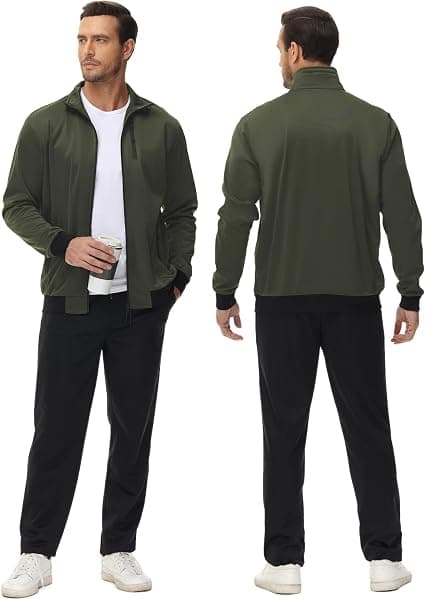
A private label tracksuit run starts at 50 sets at $53 each, a set being the hooded top and the jogger it matches. Custom woven neck labels, tear-out labels, swing tags and packaging turn that into your product rather than a decorated blank. For most young brands the co-ord is the highest-margin item in the range and the one that defines it.
What makes a set look like a brand rather than merch?
Three things: the neck, the tag and the bag. A stock brand tab inside the collar undoes an otherwise good garment the moment a customer looks, which is why a custom woven label is the first thing to specify. A tear-out label suits anything worn next to the skin. Swing tags and packaging finish the job at unboxing. The options are set out on the wholesale tracksuits page and the clothing brands page.
The fourth thing is consistency between the two halves. A top and jogger that are almost the same colour look worse than two deliberately different colours, so co-ords are produced as matched sets rather than assembled from separate stock.
How does the cost work against a retail price?
Start from $53 per set at fifty and work up through the tiers of 50-99, 100-249, 250-499, 500-999 and 1,000 or more, where the reduction reaches up to 35% off the fifty-set figure. Add decoration, labelling and shipping to land at a landed cost, then set retail from that rather than from what a competitor charges. A co-ord carries a higher ticket than a hoodie because it is two garments, and customers do the same arithmetic you do.
If part of the run is going to stockists rather than your own site, the wholesale price has to survive a second markup. Selling your clothing brand to retailers works through what that does to the margin.
Should you sample before the first drop?
For a garment you intend to photograph and reorder, yes. A sample is £150 and the fee is credited against the bulk order that follows, which makes it a low-cost way to check fit, weight, label placement and how the two pieces sit together. Sampling tracksuits before a bulk order covers what to check while it is in your hands.
It also gives you a real garment to shoot. Renders sell a pre-order, but a photograph of the actual set sells the restock.
How do repeat drops work?
The artwork and specification are held, so a second run is a shorter conversation than the first. Each run is still its own order of fifty per design, and each new colourway counts separately. Plan drops around the 10-15 working day production window from artwork approval, plus transit, and the calendar takes care of itself.
How much does packaging change the product?
More than most new brands expect. A co-ord is bulky, so the bag it ships in affects the postage band, the shelf space and how the customer feels opening it. Polythene bags are quoted per job and can be specified to your own artwork rather than left plain.
Packaging also decides how a return comes back. A set that arrives in something resealable is far more likely to be returned in a condition you can resell, which on a two-garment item is worth real money over a season.
Keep the whole finishing package consistent across the range. If the tee, the hoodie and the co-ord each arrive looking like they came from different suppliers, the customer notices the supplier rather than the brand.
Photograph the finished set properly before it goes on sale, including the inside of the collar. The label is the detail that reassures a buyer they are purchasing a product rather than a printed blank, and it is the shot most young brands never take.