
Sampling Tracksuits Before a Bulk Order
By The Velocity Wear Team
A tracksuit sample costs £150 and that fee is credited against the bulk order when one follows. Samples are never free, because making a single set carries the same setup as a run. What you get back is one matched top and jogger with your artwork applied, which is the only honest way to judge weight, drape and colour before committing to fifty.
When is a sample worth the fee?
When the set is being sold, photographed, or worn daily by people who will complain. Brands, retailers and anyone specifying kit for a laundry rotation should sample. A one-off run of crew kit for a single weekend usually does not need one, provided the artwork is simple and the colour is not critical.
The fee is credited, so for any order that is going ahead the real cost is the time. Product detail sits on the wholesale tracksuits page and the quantity bands on the pricing page.
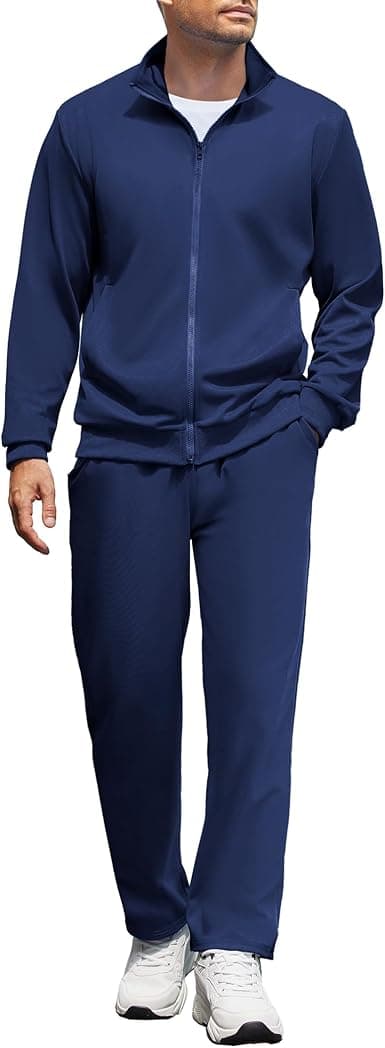
What should you check while you have it?
- 1Whether the top and the jogger read as the same colour in daylight, not under office lighting.
- 2The weight and drape of the fabric, which no photograph or render conveys.
- 3Decoration placement and size against the layout you approved.
- 4How the size compares to what your group expects, before you commit to a curve.
- 5What a full wash and dry cycle on your own machines does to fit, colour and the mark.
That last one takes a week and is the step most people skip. It is also the one that catches the problems that matter. AI mockups versus physical samples sets out what a render genuinely cannot tell you.
How does sampling affect the timeline?
Add the sample to the front of the schedule rather than inside the production window. The bulk run still takes 10-15 working days from artwork approval, and approval happens after you have seen the sample and confirmed it. Plan the extra time in from the start and a sample costs you nothing on the deadline; bolt it on late and it eats the buffer.
If the sample changes the specification, the revised version is what gets approved, and the production clock starts there.
What happens to the sample afterwards?
It is yours. Most buyers keep it as the reference set against which the delivered run is checked, which is far more useful than a written specification when a question comes up. For fabric questions the sample cannot settle on its own, choosing fabric for wholesale tracksuits covers what the options change.
What can a sample not tell you?
It cannot promise that every set in the run will be an exact twin of it. Garment production works to tolerances, and dyeing in particular carries a small amount of variation, so treat the sample as the standard the run is matched to rather than as a guarantee of identical copies.
It also cannot settle a size curve on its own, since one set in one size tells you where the sizing sits but not how your group is distributed. That still needs a form, a deadline and honest answers.
And it cannot answer questions you do not ask. Write down what you are testing before it arrives, because a sample that gets admired and hung on a hook has cost £150 and told you nothing.
Sampling is worth most to buyers who intend to order the same thing repeatedly. One careful week with a single set sets the standard for every run that follows, which is a very different proposition from checking a one-off order that will never be repeated.

