
Wholesale Polythene Bags: samples
By The Velocity Wear Team
A polythene bag sample costs £150, and that £150 is credited against your bulk order when you go ahead. It buys you the answer to the questions a screen cannot settle: whether the bag fits your product folded the way you actually fold it, how the print looks on the real material, and whether the closure survives being handled by a courier.
What does a bag sample cost and cover?
The fee is £150 flat and it is credited back against the bulk invoice when the order proceeds, so for a buyer who is going ahead it functions as a deposit rather than an extra cost. Samples are never free here, which is deliberate: a paid sample is made properly to the specification you asked for, rather than pulled from a shelf of approximate stock to close a sale.
What it covers is the specification you agreed — size, material, print position and colours. It is not a menu of options, so decide what you are testing before you order it. If you genuinely cannot choose between two sizes, say so at the start rather than sampling one and guessing about the other. The polythene bags page sets out the product, and the rest of the wholesale catalogue works on the same sample terms.
What should you check on the sample?
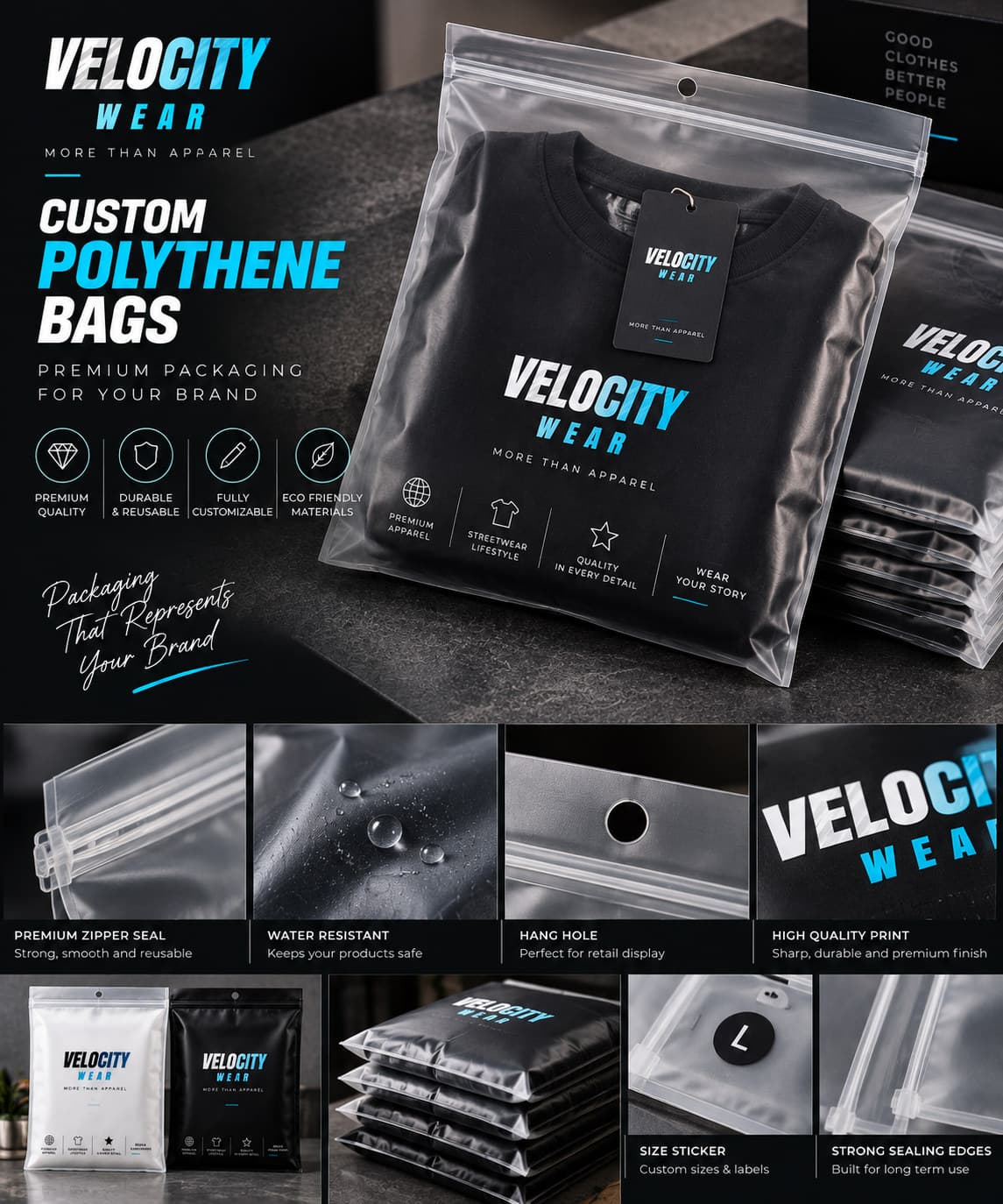
Fit first. Fold your product the way your packer folds it at four o'clock on a busy Friday, not the way you fold it carefully at a desk, and put it in the bag. A bag that needs a neat fold to close is a bag that will be replaced within a month. Then check the closure with the product inside, since a seal that grips an empty bag may not grip a full one.
Print second. Look at the mark in daylight rather than under a desk lamp, check the colour against your brand reference, and rub it with a thumb. Then post one to yourself. A bag that arrives scuffed after one courier journey will arrive scuffed at every customer, and no amount of care in the warehouse fixes it.
Is a sample worth it for packaging?
For a first bag order, yes. Packaging is the one part of the parcel every customer handles, and it is also the part most likely to be signed off from a rendering. A render cannot tell you how a material feels or how a seal behaves, a limitation covered properly in AI mockups vs physical samples.
For a repeat order of a bag you have already run, it is usually unnecessary. If the specification has not changed, the previous production is your reference. Save the sample stage for a genuine change — a new size, a new print, a different material weight.
What happens after you approve the sample?
Approval on the sample and approval on the artwork are the same gate. Once it is given, the job enters the 10 to 15 working day production window and the £150 comes off the bulk invoice. Any change after that point restarts the setup, which is the practical reason the sample stage exists at all — it is the cheap place to discover a problem.
Keep the approved sample somewhere findable. On a reorder six months later it is the fastest way to settle a question about colour or size, and it is worth more as a reference than any note in a spreadsheet. The same habit applies to garments, as set out in how to choose blank garments for printing.
One more thing: hand the sample to whoever packs your orders rather than judging it yourself at a desk. Packers notice what buyers never do — that a seal needs two hands, that the bag clings to itself in a cold room, that the printed face is hard to pick out when a hundred are stacked flat. Those details decide whether a packaging choice survives its first genuinely busy week.

