Clothing Brands: Ordering Polo Shirts in Bulk
By The Velocity Wear Team
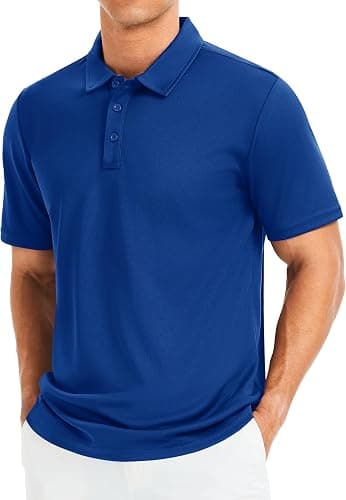
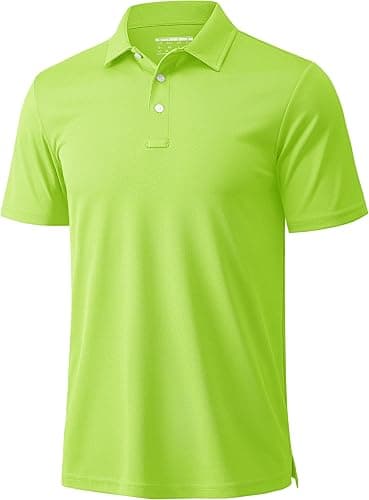
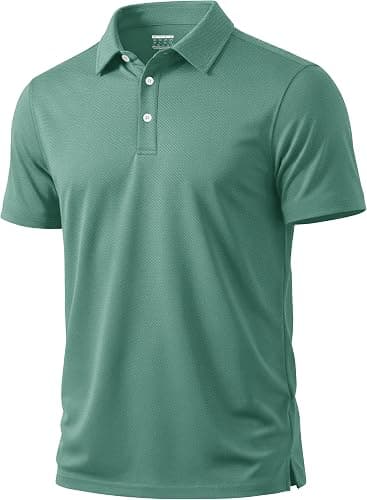
A clothing brand can put a polo into a drop from $18 a piece at our 50-piece minimum, carrying your own woven neck label, tear-out size tab and swing tag instead of ours. The fifty covers one design in one colourway and the sizes inside it are yours to split. Production takes 10 to 15 working days from artwork approval.
What does a first polo drop actually cost you?
Fifty pieces at $18 is the floor, and the per-piece figure falls as the run grows. The bands step at 50–99, 100–249, 250–499, 500–999 and 1,000+, and the deepest band lands up to 35% below the fifty-piece price. For a label, the first drop is rarely where the margin is. Fifty is a test of whether the colourway sells at all, and the tier that matters is the one you hit on the restock. Current from-prices sit on the wholesale polo shirts page, and the band-by-band breakdown is on the pricing page.
How do you make a stock body read as your own product?
Private label is the difference between a branded garment and a product. We replace the neck label with a woven one to your artwork, or a printed tear-out tab if you want nothing sitting against the neck. A separate care and composition label goes in the side seam. Swing tags hang from the placket or a side-seam loop, and pieces can arrive individually bagged and folded so a wholesale account or a market stall can put them straight out. The full service picture for labels is on our clothing brands page.
Which knit should a brand put its name on?
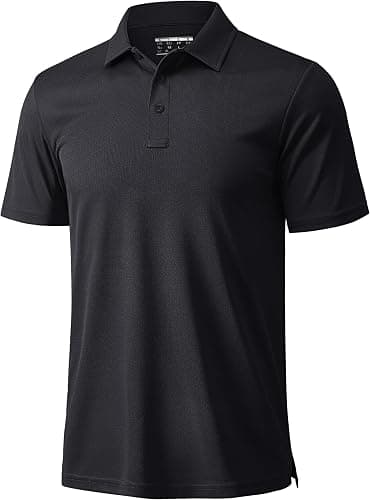
Piqué is the classic: a textured cotton knit with body to it, a collar that holds its shape off the hanger, and a surface that takes embroidery cleanly. Performance knits are smoother, lighter and synthetic-heavy, which suits a sports-adjacent label but reads less premium in the hand. Your placket is the other decision — two buttons or three, self-colour or contrast, with or without a button-down collar. Brands often spend their whole detail budget there rather than on a bigger logo, and it is the right instinct. We go deeper on fabric weight in choosing fabric for wholesale polo shirts.
How do you plan the second drop?
Keep the tech pack, the artwork files and the colour reference from the first run, and the second one is a much shorter conversation. Dye lots do move between production runs, so if a customer will ever see two generations of the same polo side by side, say so at order and we match against the retained reference rather than the swatch book. Brands that run the same body in three colourways usually order all three at once, because each colourway is its own fifty and placing them together puts the combined count into a better band. There is more on that in reordering wholesale polo shirts in colour.
What should you do before committing to fifty?
Order a sample. It is £150 and it is credited against the bulk order that follows, so it costs nothing extra if you go ahead. Put it on a person of the size you expect to sell most of, wash it four or five times, and look at the collar roll and the neck label together. A woven label that scratches is the single most common reason a customer does not buy the second one.
Photograph the sample while you have it. Listing images, lookbook shots and the size guide all need a real garment on a real body, and waiting for the bulk delivery to arrive before shooting adds a fortnight between production finishing and the drop going live. Brands that treat the sample as a photography asset rather than a quality check get two jobs out of one £150 spend, and they catch fit problems on camera that never show on a hanger.