Reordering Wholesale Polo Shirts in Colour
By The Velocity Wear Team
A repeat polo order is quicker than the first because the artwork, positions, thread colours and garment specification are already on file. The minimum is still fifty pieces per design and production still runs 10 to 15 working days from approval. The one thing that genuinely needs attention is colour, because dye lots shift slightly between production runs.
What actually stays on file?
The digitised embroidery file or the colour separations, the position and size of each mark, the thread or ink references, the garment body and colour, and your private label artwork if you have any. That means a reorder is usually a quantity, a size split and a confirmation rather than a fresh setup, and approval can happen in a day instead of a week. It is worth keeping your own copy of the same information, because whoever placed the last order may not be the person placing the next one.
Why do two runs of the same colour differ?
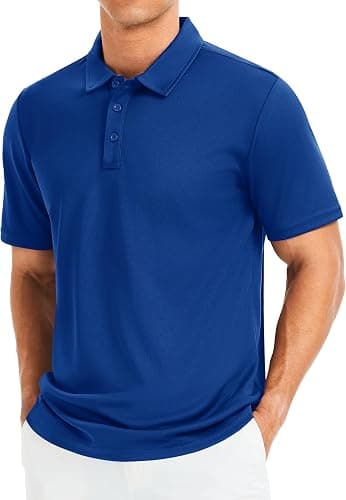
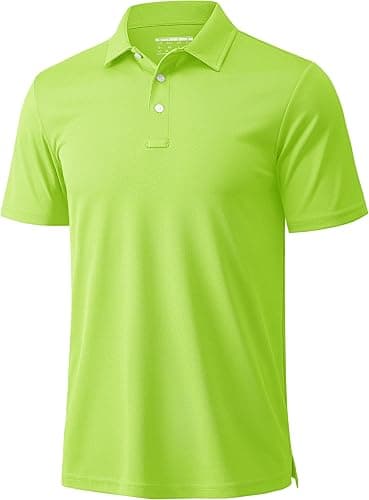
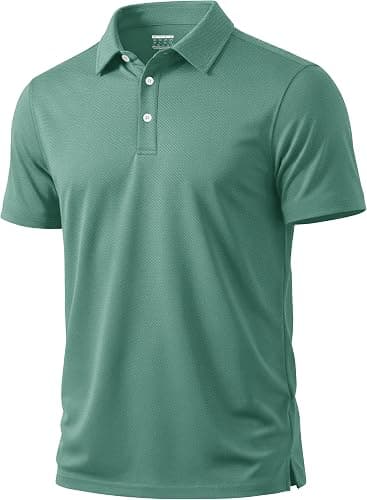
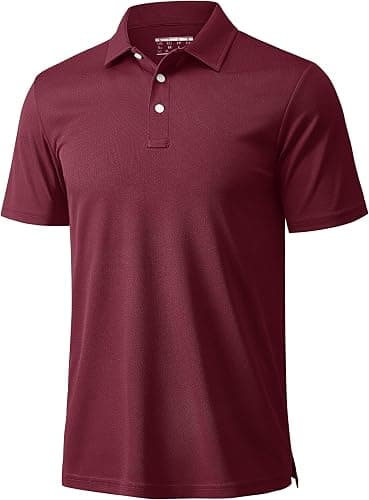
Fabric is dyed in batches, and a batch is matched to a standard within a tolerance rather than reproduced identically. Across a single run this is invisible. Across two runs separated by months it can be just perceptible, most often on mid-tone colours like navy, grey and burgundy, and least on black and white. Nothing is wrong when this happens; it is how dyed cloth behaves everywhere. What matters is whether anyone will ever see the two generations together.
How do you keep the colour consistent?
- 1Say at order that the run must match a previous one, so it is matched against your retained reference rather than the standard swatch.
- 2Keep a clean, unworn piece from every run, bagged and out of daylight, as that reference.
- 3Order in fewer, larger runs where you can, since a single run is self-consistent by definition.
- 4Where an exact match is critical and the quantity allows, order the full requirement at once and hold stock rather than restocking twice.
When does a slight difference actually matter?
When garments are worn together in a line of sight — a uniformed team behind a counter, a retail rail carrying two generations of the same product, a photographed group. It matters much less when shirts are issued individually over time and nobody sees old and new at once. Decide which case you are in before paying for the tighter process, because the answer often makes the whole question go away. Retailers in particular should read bulk polo shirts for retailers on holding depth instead of restocking thin.
Is a reorder cheaper than the first order?
The per-piece price follows the same volume bands rather than dropping because you have ordered before: fifty to ninety-nine, a hundred to two hundred and forty-nine, and so on up to 35% below the fifty-piece price at the top. What a reorder does save is time and setup work already done. If you are restocking regularly, the real saving is to consolidate — one run of two hundred sits in a better band than four runs of fifty, and it removes three lots of dye-lot risk at the same time. Current bands are on the pricing page, and the garment specification on the wholesale polo shirts page.
When should the reorder be placed?
Before you need it, which sounds obvious and is routinely ignored. Production is 10 to 15 working days from approval and transit sits on top, so a team that reorders when the last large has gone is four or five weeks without one. Set a trigger point instead: when a particular size drops to a number you choose, the order goes in. For an issued uniform, that trigger is usually a handful of pieces in the two sizes you use most; for a retail line, it is the cover you need to last the lead time plus a margin.
Reorders also drift. Someone changes the body colour slightly, or the artwork gets re-sent from a different file, and two years later nothing matches anything. Reordering against the record we hold, rather than against a fresh brief each time, is what stops that.