Bulk Polo Shirts for Retailers: A Buyer's Guide
By The Velocity Wear Team
For resale, a polo works because it sells in every month of the year and does not date. It starts at $18 a piece at fifty and falls through the bands to as much as 35% below that at the top tier, which is where a retail margin becomes comfortable. The risk is not the price. It is buying a size curve that leaves you with a rail of extra-smalls in February.
Where does the margin actually come from?
Not from the first fifty. At the entry band your landed cost plus decoration leaves a thin retail markup, and the fifty is there to prove the colourway moves. The bands step at 50–99, 100–249, 250–499, 500–999 and 1,000+, and each step is where the margin appears. A retailer with a proven seller should be buying at 250 or above and holding depth, not spreading the same budget across five colours at fifty each. Band pricing is on the pricing page and the garment specification on the wholesale polo shirts page.
What size curve should you buy?
A polo curve is narrower than a tee curve because the fit is less forgiving and buyers size up rather than down. Weight heavily to medium and large, hold a solid block of extra-large, and keep small thin. On a run of a hundred, a curve in the region of 10 small, 30 medium, 30 large, 20 extra-large and 10 double extra-large moves cleanly for most mixed adult customers, and you adjust it from your own sell-through after the first run rather than from anyone's template. The reasoning behind curves like this is set out in size splits for a bulk polo shirts order.
How should a restock be timed?
Reorder at the point where your remaining cover equals the lead time plus your safety margin, not when the rail looks empty. Production is 10 to 15 working days from artwork approval, and a repeat order is approved quickly because the artwork is already on file, but transit still sits on top. For a line selling steadily, that means triggering the restock with four to five weeks of stock left. Retailers who wait until a size is gone lose the sale twice, because the customer who wanted a large does not come back for it.
What makes a polo retail-ready rather than just printed?
Pieces arrive individually bagged, folded and tagged if you ask for it, with your own woven neck label and swing tag in place of ours. That is the difference between something a shop can put on a shelf and something a member of staff has to unpack and press first. If you are supplying other stockists rather than selling direct, cartons can be packed by size so a receiving shop can count them in against a delivery note. The full range of products available on the same terms is on the wholesale range.
How many colourways should a first buy carry?
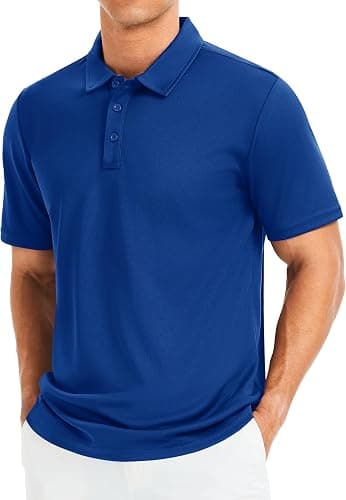
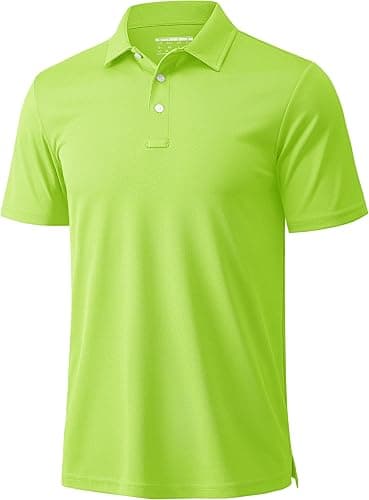
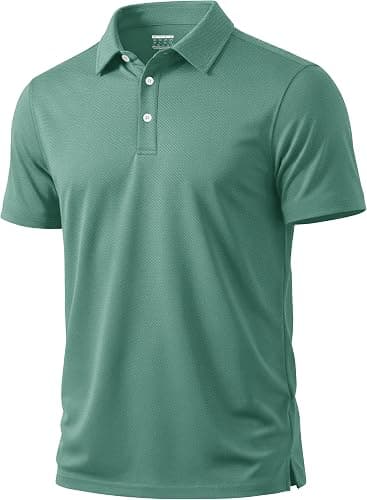
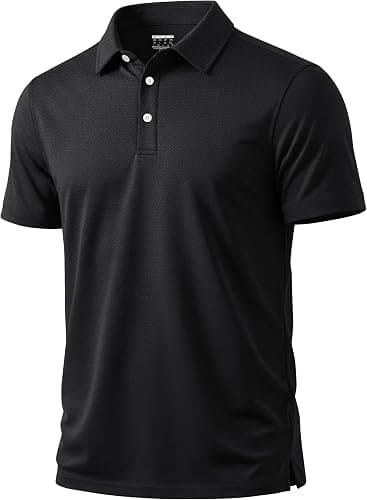
Two, and one of them should be the safe one. Navy, black or white carries the volume in almost every mixed customer base, and the second colour is where you test taste. Each colourway is its own fifty, so a two-colour buy is a hundred pieces and lands you in the second band rather than the first. Resist the temptation to launch with five colours at fifty each: you will learn the same thing about demand and finish the season with four broken size runs and one line worth repeating.
Track sell-through by size within colour, not just by colour. A navy polo that sold out of large in three weeks while the smalls sat is telling you to change the curve, not to buy more navy. That distinction is the whole of buying a repeatable line well, and it is the reason the second order of a polo is usually more profitable than the first.