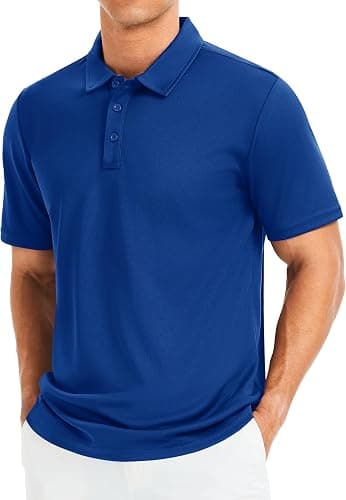
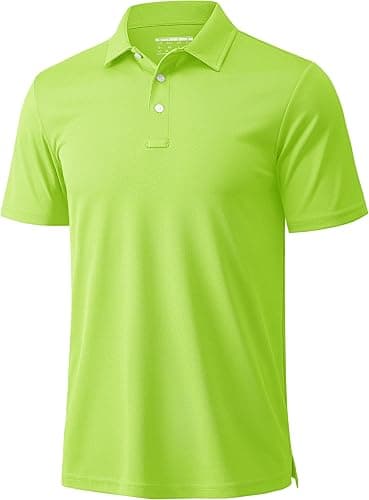
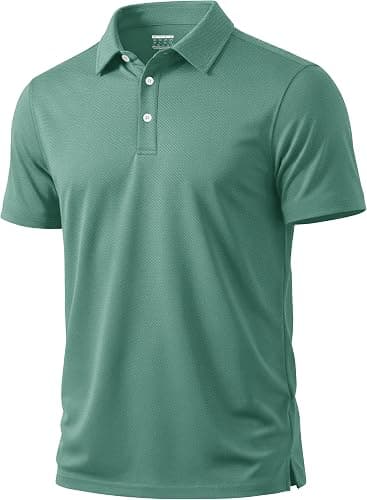
Choosing Fabric for Wholesale Polo Shirts
By The Velocity Wear Team
Two families cover almost every bulk polo order: piqué, a textured cotton-led knit with structure and weight, and performance knit, a smoother synthetic-led cloth that is lighter, dries faster and resists creasing. Piqué reads as smarter and takes embroidery better. Performance suits movement, heat and frequent washing. Both start from the same $18 per piece at fifty.
What does piqué actually give you?
Body. The waffle-like surface of a piqué knit gives the cloth enough structure that the shirt hangs rather than clings, the placket sits flat and the collar holds a shape instead of rolling over. That texture also hides wear: the surface fuzzing that shows on a smooth flat jersey within a month is largely invisible on piqué. It is the cloth to choose when the shirt is doing a smart job — reception, sales floor, a retail line, anything where the garment is standing in for a shirt and tie.
When is a performance knit the better answer?
When people are moving in it. A performance body is lighter, wicks rather than holds moisture, dries quickly between shifts and comes out of a wash without needing anything done to it. That suits sports teams, pool and gym staff, outdoor events and anyone doing a physical job in a branded shirt. The trade-off is hand feel — it reads as sportswear in the hand, which is the right signal in a gym and the wrong one in a hotel lobby.
How does fabric change the decoration?
A great deal. Piqué takes embroidery cleanly because there is enough cloth to support the stitching without puckering, which is why most polo logos are embroidered. Smooth performance knits are thinner and more prone to distortion under a dense stitch, so they want a backing and a sensible stitch count, or a print instead. Synthetic-heavy fabrics also behave differently under heat, which matters for the method chosen and is worth raising early. The comparison runs in full in print or embroider wholesale polo shirts.
What about the collar and placket?
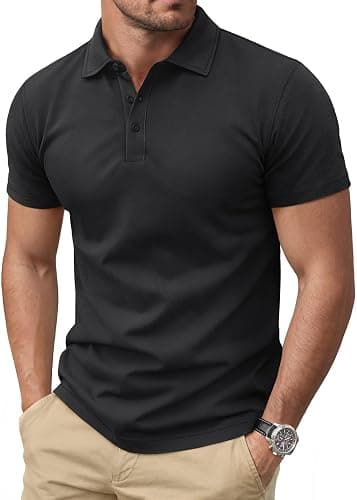
The collar is where a cheap polo gives itself away, usually within ten washes, and the fabric choice is only half of it. A knitted rib collar with a firm finish holds flat; a soft self-fabric collar curls. On the placket you are choosing button count — two or three — whether it is self-colour or contrast, and whether the buttons are matched or deliberately visible. A contrast placket or tipped collar is the least expensive way to make a stock body look specified rather than bought, and neither changes the decoration. Current bodies and collar options are on the wholesale polo shirts page.
How do you decide without guessing?
Order the £150 sample, credited against the bulk order, in the body you think you want, and then wash it repeatedly before you look at it properly. A polo that looks identical to another one new can be obviously different after fifteen cycles: the collar, the hem of the sleeve and the area around the chest logo are the three places to check. Comparative prices across the bodies are on the pricing page.
If you are ordering for a mixed group, get the sample onto two different builds rather than one. A body that fits a slim wearer well and pulls across the chest on a broader one is a fit problem you want to find before fifty of them exist, and it is usually solved by moving the whole order one body across rather than by changing sizes.
Does the fabric decision change anything downstream?
It sets the wash instructions you hand out, the temperature a commercial laundry can use, and how the shirt looks in photographs if you are selling it. It also quietly sets your reorder: once a group is used to a particular weight, switching bodies on the second run produces complaints even when the new cloth is objectively better. Pick the fabric as a decision you intend to keep, and note it with the rest of the specification so the next order matches without anyone having to remember.