Print or Embroider Wholesale Polo Shirts?
By The Velocity Wear Team
Embroider a polo when the mark is small, sits on the chest or sleeve, and needs to survive heavy washing. Print it when the artwork is large, photographic, or carries fine type that thread would fill in. Most polo orders are embroidered because the garment is a smart one and thread reads as finished, but the artwork should make the decision, not habit.
What does the garment itself rule out?
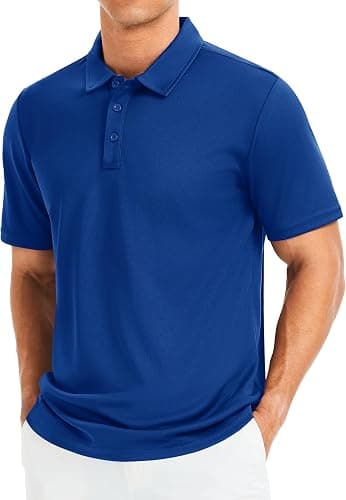
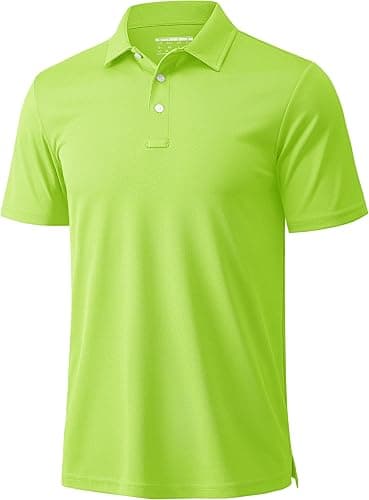
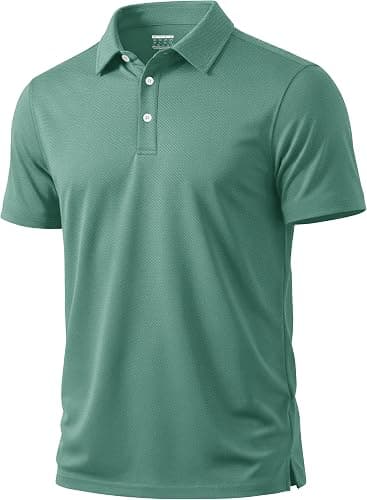
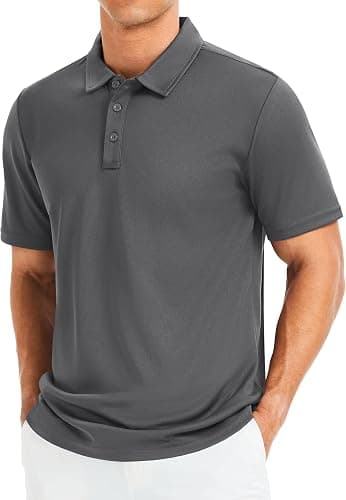
More than buyers expect. A polo has a placket running down the centre front, buttons, and a collar seam, and none of those are flat. A chest print has to sit clear of the placket, which shifts it left and caps how wide it can be. A print across the full front of a polo is possible on a plain-front body but awkward on a three-button placket, and it will crease along the button line every time the shirt is worn. Embroidery has the same constraint and handles it better, because a small mark simply sits in the clear area to the left.
How small can a logo go before thread loses it?
Look at your artwork at the physical size it will be stitched. Lines thinner than roughly a millimetre and lettering under about four millimetres tall are where embroidery starts to struggle: thread has width, and detail below that width closes up. A wordmark that looks crisp on screen can arrive as a solid bar. The fixes are to simplify the mark for stitching, to enlarge it, or to print instead. Send us the file and we will tell you which before anything is made — what to send is covered in artwork setup for custom polo shirts.
Where does each method earn its place?
- Embroidery: chest marks, sleeve badges, names under a logo, anything guest-facing or washed at high temperature.
- Screen printing: flat spot colours at size, a back yoke line, event and campaign shirts where cost per piece at volume matters.
- DTF: full colour, gradients and photographic detail, and short or varied runs where screens would be uneconomic.
- 3D puff: a raised print, usually on caps and sportswear rather than a smart polo.
- Sublimation: all-over and panel designs on polyester bodies, where the design is part of the fabric rather than sitting on it.
How does the cost behave at fifty and at five hundred?
Embroidery is priced on stitch count, so a small chest mark costs much the same per piece whether you order fifty or five hundred — the saving at volume comes from the garment rather than the decoration. Screen printing works the other way: setup per colour is fixed, so it is relatively expensive at fifty and gets steadily cheaper as the run grows. That is why a large multi-colour print is often the wrong answer at the minimum and the obvious one at a thousand. Both sit inside the same volume bands, which reach up to 35% below the fifty-piece price — see the pricing page and the options on the wholesale polo shirts page.
Can you combine methods on one shirt?
Yes, and it is common. An embroidered chest logo with a printed line across the back yoke is a normal specification, as is an embroidered chest mark plus a printed sponsor panel on a team shirt. Each position is its own setup and its own cost, so two positions is not twice as much work as one but it is meaningfully more than one. Decide positions before the sample rather than after, because moving a mark after approval restarts part of the setup.
If you are unsure, take the £150 sample with the exact combination you intend to run. It is credited against the bulk order, and seeing thread next to print on the actual fabric settles arguments that photographs will not.