Hoodies for Retailers, Ordered Properly
By The Velocity Wear Team
Retailers buy hoodies at a 50-piece minimum per design, from $31 a piece, with 10 to 15 working days of production from artwork approval. For a shop the per-piece price is only half the equation. The other half is sell-through: a hoodie bought well and sold slowly still ties up shelf space and cash, so the size curve and the restock rhythm decide whether the line works.
What margin does a wholesale hoodie leave?
That depends on your landed cost, which is the per-piece price plus decoration plus freight divided across the run, and on what the shelf will bear. The lever you control is quantity: the tiers step at 50, 100, 250, 500 and 1,000 pieces and the discount runs up to 35% off the 50-piece rate, so the same garment at the same retail price returns a noticeably different margin depending on how deep you buy. Work out the retail price first, then work back to the quantity that makes it worth stocking. The current from-price sits on the wholesale hoodies page, and the rest of the catalogue a shop might buy alongside it is on the wholesale range.
What size curve should a first order use?
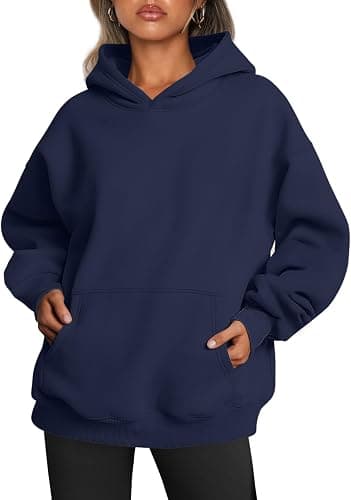
Tighter than instinct suggests. On 50 pieces there is no room for a full range across every size, and the sizes that sit unsold at the end of a season are the ones that erase the margin on everything else. A first run weighted heavily to medium and large, with a modest number of smalls and extra larges, gives you a real read on demand without stranding stock.
- 1Weight the first 50 towards the two middle sizes.
- 2Record what sells out first and how quickly, not just what sells.
- 3Adjust the curve on the second order using your own numbers rather than a template.
How often should a retailer restock?
On a cycle that respects the lead time. A reorder is 10 to 15 working days of production plus transit, so a shop that waits until the rail is empty is out of stock for at least three weeks. Set a reorder point in units rather than in dates: when a size drops below a set level, the next order goes in. Two or three planned runs a year usually beats constant small ones, both because each run has to hit 50 pieces anyway and because fewer, deeper orders reach a better tier. Seasonality is worth planning for explicitly, and Black Friday planning for clothing brands sets out how far ahead that has to happen.
How many colourways can you realistically carry?
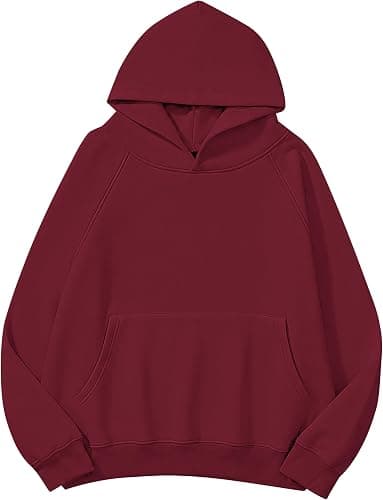
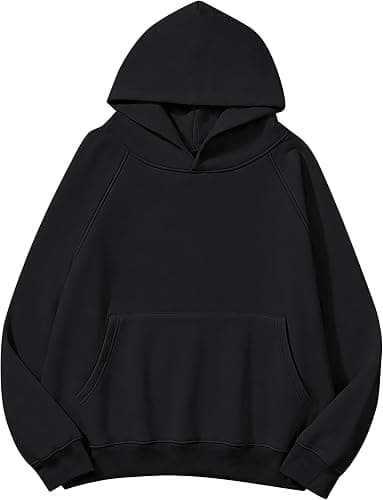
One to start, two once a design has proved itself. Each colourway is its own run of 50, so carrying three colours means holding 150 pieces of a single design. For most independent shops that is too much stock in one line. A better use of the same money is one colour in a heavier fabric, since the weight is what a customer feels when they pick the garment off the rail. Our fleece runs 280 to 450 GSM brushed back, and the difference between the ends of that range is obvious in the hand. The margin implications of stock depth are covered further in the ecommerce KPIs every clothing brand should track.