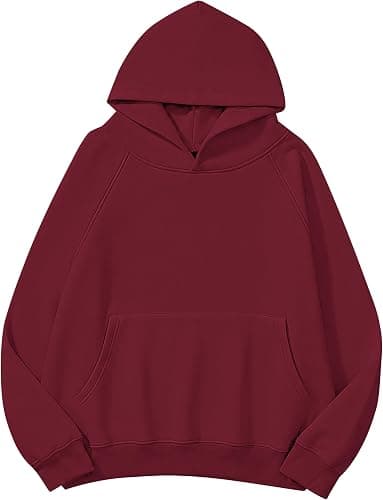
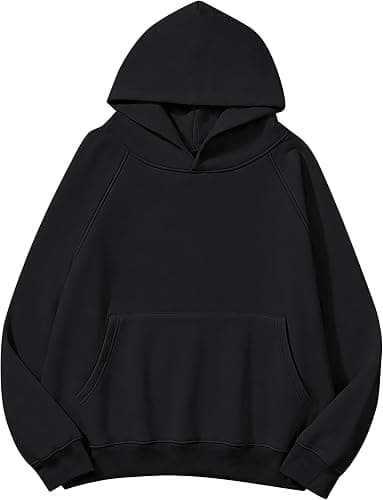
Charities: Ordering Hoodies in Bulk
By The Velocity Wear Team
Charities order hoodies at a 50-piece minimum per design, from $31 a piece, with 10 to 15 working days of production once artwork is approved. The number that matters to a trustee board is not the per-piece price but the total committed, so the honest way to present it is the full 50-piece cost against what the kit is expected to do for visibility or for fundraising.
What does a charity hoodie cost per unit, really?
Per piece, the from-price on the wholesale hoodies page is the starting point, and it drops through the quantity tiers to as much as 35% below the 50-piece rate. But the unit cost a finance committee should look at includes the decoration, the delivery and the pieces that will sit unused. A run of 50 where 35 get worn has a real unit cost well above the invoice line. Order to the number you will genuinely distribute, hold the rest as replacements rather than writing them off, and record the spare stock so next year's budget starts from what is in the cupboard.
Should volunteer kit and sale stock share a design?
It depends on whether you want the public to be able to tell the two apart. At a collection or a marshalled event, volunteers must be identifiable, which argues for wording that a supporter would not wear. At a fundraising walk, the opposite is true and one design worn by everyone builds the crowd. Sharing a design halves the commitment, since the minimum is charged per design, so a charity with a tight budget should start with one and only split later if the identification problem becomes real. The charities and fundraising page sets out what else tends to be ordered for a campaign.
How do you size volunteers you have never met?
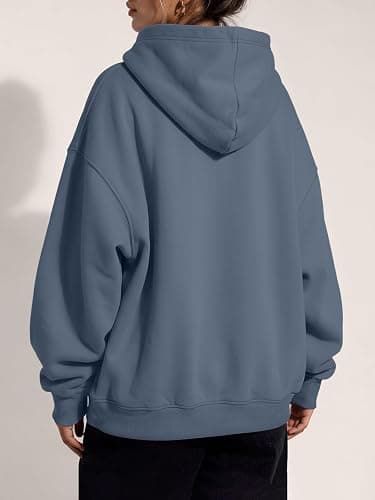
Assume a wider spread than an employer would. Volunteer bases skew older and more varied than a workforce, and the fit has to work over other clothing, because volunteering happens outdoors in whatever people turned up in. Order roughly to a bell curve but stretch both ends further than retail would, and take the classic fit rather than oversized so the garment looks deliberate on a small frame. Sizes mix freely inside the 50, so this costs nothing except the thinking. Collect actual sizes from the regulars and use the spread only for the occasional helpers.
Colour is a practical decision too. Volunteers need to be findable in a crowd and at a distance, which favours a bright colourway over the charity's subtler brand palette. If the identity allows only one colour, put the visibility into the decoration instead: a large back print in a contrasting ink does the same job as a bright garment and keeps the brand team happy.
How do you budget without guessing?
Price the whole run, not the piece, and decide up front where the money comes from. A local business sponsoring the run in exchange for a sleeve logo turns a cost into a neutral. Selling to supporters at a set price above cost turns it into income, though that only works if the design is something people want. Grant funders generally want the full committed figure rather than a per-unit estimate. The tier steps that affect that figure are on the pricing page, and the sums behind a fundraising garment are worked through in booster club spirit wear.