Print or Embroider Wholesale Hoodies?
By The Velocity Wear Team
Print a hoodie when the artwork is flat colour, large, or carries a photographic image. Embroider it when the mark is small, needs to read as premium, or sits on a sleeve or chest where a print would crack over a winter of wear. Both start from the same garment price of $31 a piece at our 50-piece minimum, so the choice is about the artwork, not the budget.
Which method suits the artwork you already have?
Look at your logo at the size it will actually appear. A chest badge roughly the width of a credit card, with a clean shape and no type under about 4mm tall, embroiders beautifully. The same badge with a strapline under it will fill in with thread and turn to mush. Screen printing holds that strapline without complaint. If you are unsure, send both versions when you request a quote through the wholesale hoodies page and we will say which one the artwork supports.
Colour count matters next. Screen printing uses one screen per colour, so a three-colour back print is three screens and three passes. That cost is set up once and then divided across the run, which is why it gets cheaper the more you order. DTF ignores colour count entirely and prints gradients and photographs straight onto film, so it suits artwork that screen printing would struggle to separate.
What does brushed-back fleece do to a decoration?
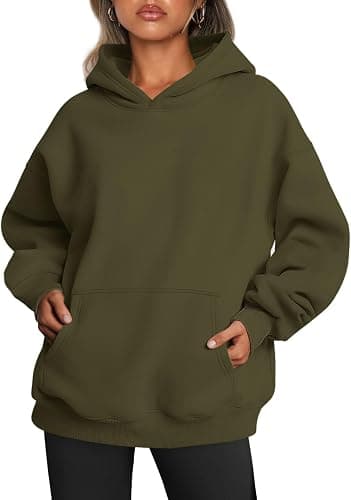
Hoodie fleece runs from 280 GSM up to 450 GSM, and the face has a slight nap that a t-shirt does not. On a lighter 280 GSM loopback the surface is fairly smooth and a screen print sits flat. On a heavy 450 GSM brushed fleece the nap lifts through a thin ink film, which softens fine edges. Printers compensate with an underbase, but it is worth knowing that a hairline serif that looked crisp on a tee will look slightly furred on heavy fleece.
Embroidery goes the other way. Thread sits above the nap, so a heavyweight hoodie is the easiest garment in the catalogue to embroider well. The backing stabilises the stitch and the pile hides any minor puckering. This is why so much premium streetwear uses embroidery on heavy hoodies and print on lighter ones.
Where does each method sit on cost at 50 and at 500?
Screen printing carries a setup per colour that is real money at 50 pieces and rounding error at 500. Embroidery carries a one-off digitising charge for the file, then a stitch-count cost that repeats on every garment, so it flattens rather than falls. DTF sits between them with almost no setup and a per-print cost that barely moves with quantity. The volume tiers on the pricing page run 50–99, 100–249, 250–499, 500–999 and 1,000-plus, with up to 35% off the 50-piece price at the top.
The practical consequence: at 50 pieces with a one-colour logo, embroidery and screen printing land close together. At 500 pieces with a big multi-colour back graphic, screen printing wins by a distance. We work through the same arithmetic in more detail in screen printing versus embroidery on hoodies.
Can you use more than one method on a single hoodie?
Yes, and it is the most common spec we build. An embroidered left-chest mark with a printed back graphic reads as a considered garment rather than a promotional one, and it costs less than embroidering both positions. A sleeve hit adds a third position. Each position is priced separately because each one is a separate machine pass.
What you cannot do is split methods across the same order to save money on part of it. The 50-piece minimum is per design, and a printed version and an embroidered version of the same logo are two designs. Get your files right before you commit either way; the guidance in preparing artwork files applies to both routes.