Artwork Setup for Custom Hoodies
By The Velocity Wear Team
Send vector artwork wherever you have it: an AI, EPS, SVG or vector PDF with the type converted to outlines. If the design is photographic, send it at the finished print size at 300 DPI on a transparent background. Name the colours you want matched. Everything else we can rebuild, but those three things decide whether your 10 to 15 working day build starts today or next week.
What file format should you actually send?
Vector is the preferred format because it can be scaled to any print size without losing an edge, and because screen separations come straight out of it. If your designer built the logo properly you already have one. Convert the type to outlines before sending, otherwise the file opens with a substituted font and the shapes change.
Raster files are fine for anything with a gradient, a texture or a photograph, which DTF and sublimation handle well. The requirement is resolution at final size. A 1000-pixel-wide image is generous on a chest badge and thin across a 14-inch back print. The maths behind that is worked through in what 300 DPI means for a chest print.
How large should a hoodie print be?
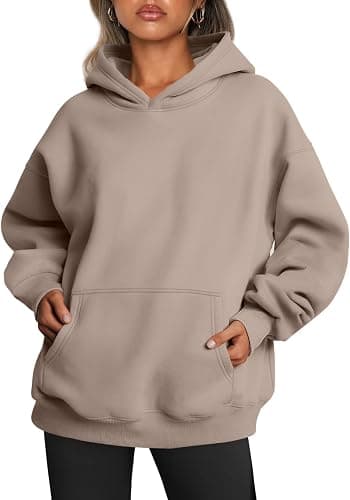
A left-chest mark is usually between 3 and 4 inches wide, sitting roughly a hand-width down from the shoulder seam and in line with the armhole. A centre chest print on a hoodie has to clear the pouch pocket and the drawcord eyelets, which leaves less room than people expect. A full back print commonly runs 12 to 14 inches wide, starting a couple of inches below the hood seam.
Those positions shift with the fit. An oversized block has a dropped shoulder, so a chest mark placed by measurement from the shoulder seam lands too low. We set positions against the actual garment in the size you ordered most of, then hold that position across the curve, which keeps a 2XL from looking like it has a postage stamp on it.
What happens to your file before it reaches fabric?
For screen printing, the file is separated into one layer per colour, trapped so the colours overlap very slightly, and output to film. Each colour becomes a screen. For embroidery, the artwork is digitised: redrawn as stitch paths with directions, densities and an underlay, which is why a digitising step exists at all and why embroidery does not simply read your PNG. For DTF, the file is ripped, printed to film, powdered and cured.
You see the result as a proof before anything is committed. Check the colours, the size in inches, the position and the spelling. Approval starts the production clock, so a proof sitting unread in an inbox is the single most common reason a hoodie order lands late.
What slows artwork approval down most often?
Low-resolution logos pulled off a website, files where the type was never outlined, designs generated by an image model with edges that fall apart on close inspection, and colours specified only as "our blue". The last one is easy to fix: give a Pantone reference, or accept that we will match as closely as the ink system allows. Machine-generated artwork has its own failure modes, set out in why your AI-generated design will not print.
If you have nothing usable, say so at quote stage. Rebuilding a logo to print standard is routine work and it is far cheaper than discovering the problem after you have chosen a garment and a quantity on the wholesale hoodies page and locked a delivery date against the tiers on the pricing page.