Salons: Ordering Caps in Bulk
By The Velocity Wear Team
Salons and barbershops order caps at $12 a piece from a fifty-piece minimum, which a single shop clears by treating the order as staff kit plus retail stock rather than as uniform alone. Barbershops sell them; salons mostly wear them. The decision that matters most is colour, because bleach and colour products mark pale fabric permanently and no wash cycle brings it back.
Do caps belong in a salon at all?
In a barbershop, obviously: the cap is part of the look the shop is selling and it sits comfortably beside the rest of the uniform. In a hair or beauty salon it is less automatic, because stylists work close to clients and headwear can read as casual. Where caps do earn their place in a salon is the retail shelf, alongside the products, and on staff working the door or running social media content. The salons and barbers page covers how the whole kit list usually fits together.
If the cap is retail rather than uniform, design it as something a client would buy without the shop name being the reason. A restrained stitched wordmark does that; a large logo across the front does not.
How do bleach and colour affect the choice?
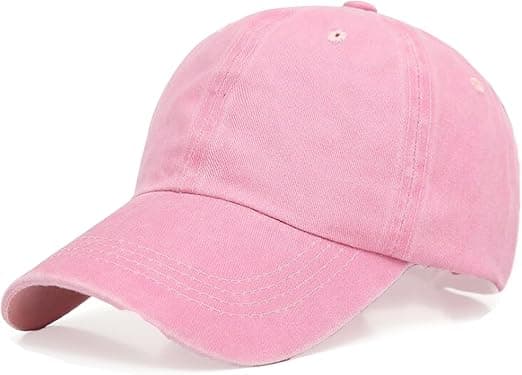
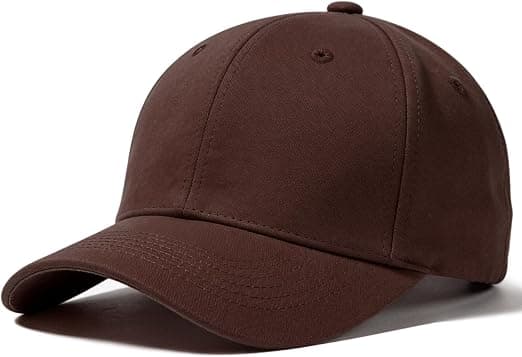
They decide it. Anything pale in a colour room picks up marks that will not come out, so staff caps should be black or a dark shade regardless of what the brand palette says. Keep the pale version for retail stock, which lives on a shelf rather than next to a mixing bowl. This is the same reasoning that drives towel and apron choices in a salon, and it is worth applying to headwear before the first order rather than after the first accident.
Embroidery is the decoration to use here for the same reason it is used in kitchens: thread does not soften, lift or discolour under repeated washing and chemical contact the way a low-grade print does on a curved panel. Custom uniforms for salons and barbershops covers the garments that sit alongside.
Which cap style suits a barbershop?
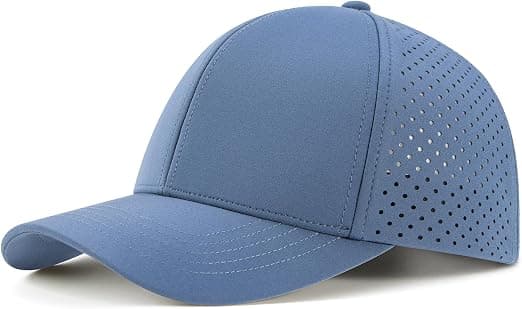
Structured six-panels and snapbacks for shops with a strong visual identity, because the firm front carries a bold stitched mark and the flat peak is part of the aesthetic most barbershops are working in. Dad caps and five-panels suit softer, quieter brands and sell more readily to clients who are not buying the look, only the shop. Trucker styles work well in summer and in shops with an American-influenced identity. All of them should be adjustable, since retail stock cannot depend on head sizes. The full list is on the wholesale caps page.
How should a shop split fifty caps?
Two per member of staff, so one can be washed, and the rest to the shelf. A five-chair shop needs ten, leaving forty to sell, which is a realistic first retail run for a single site and takes a few months to move rather than a few weeks. Order the restock before the shelf empties, as production runs 10 to 15 working days from artwork approval plus transit. Shops that also run food or drink alongside the chairs will find the thinking in wholesale caps for restaurants transfers directly.
The other reason shops order caps is content. A cap appears in every photograph of a cut without needing to be styled, so it does more brand work per piece than an apron or a tee that only shows in half the frame. If that is part of the plan, order enough for one to live at each station rather than being fetched for the camera, because the ones that get used are the ones within reach.