Wholesale Caps for Cafes
By The Velocity Wear Team
Cafe caps are $12 a piece from, at a fifty-piece minimum per design. A team of eight does not need fifty caps, so the way most coffee shops make the number work is to order staff kit and retail stock as one design: twenty for the rota and thirty for the shelf by the till. Same artwork, same order, one price band, and the retail side usually pays for the staff side.
How do you reach fifty caps with a team of eight?
The minimum is counted per design, not per person, and sizes mix freely inside it. That makes the split entirely yours. Eight staff on a two-cap rotation is sixteen; four spares for new starters and replacements takes you to twenty; thirty for sale on the counter finishes the fifty. Caps sell over the counter better than tees do because there is no size anxiety in an adjustable snapback — a customer picks it up, tries it, buys it. If the counter is not an option, the other route is to split the fifty with a neighbouring site under the same brand. What counts as one design is covered in the minimum order for wholesale caps.
Which cap holds up behind a coffee bar?
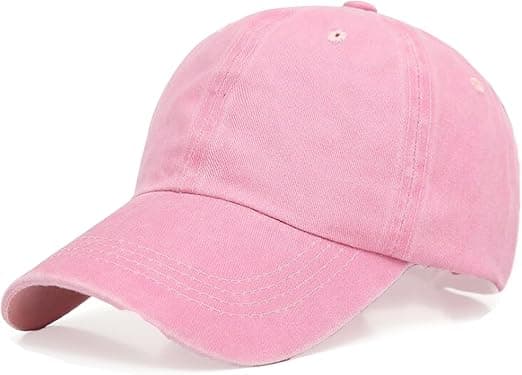
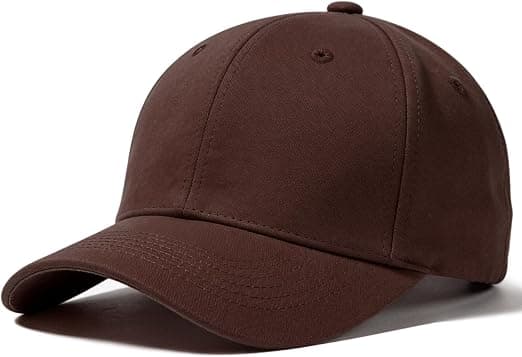
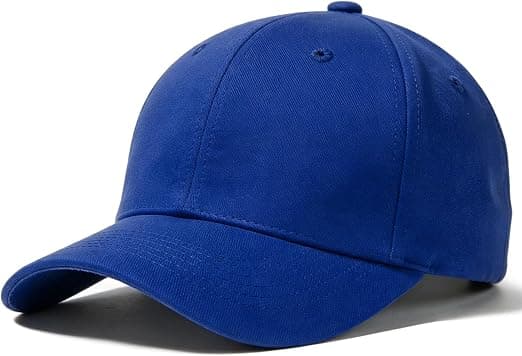
Behind the bar a cap collects steam, milk splash and a fine layer of grind dust. Unstructured dad caps are the most forgiving because there is no buckram to ripple when they get damp, and they wash flat. Structured five and six panels look sharper on a service counter and keep the logo upright, which matters if your mark is wide. Truckers vent well on a hot line but the mesh traps dust and looks grey sooner in a coffee environment than it does in a bar. Snapbacks suit a younger front-of-house and are the easiest to sell as retail.
What should the branding look like on a cafe cap?
Keep it one mark, front and centre, no more than about 70mm wide. A cap front is small and curved, so a logo with fine serifs or a strapline under it loses legibility from two metres away — which is the only distance that matters across a counter. Embroidery is the default because it survives the wash and reads as a proper product rather than a promo item. If your logo has a photographic element or a gradient, DTF is the alternative, and it prints detail embroidery cannot hold.
What does the order cost and how long does it take?
At fifty pieces the from-price on wholesale caps is $12 each. Move to 100–249 and the per-piece price drops; the discount reaches up to 35% at the top tier, though a single cafe rarely gets there on caps alone. Production is 10–15 working days from artwork approval, plus delivery transit. If you are also ordering aprons and tees, our restaurants and hospitality page sets out what a front-of-house kit usually covers, and staff uniforms for restaurants and cafes goes through the garments one by one.
Order the cap before the tees if you are staging the spend. A cap is the least expensive branded item on the list, it needs no size run, and it is the one piece a customer can buy on impulse.
Should the cap match the apron?
Match the logo, not the fabric. An apron in a heavy cotton canvas and a cap in twill will never sit at exactly the same shade even in the same nominal colour, because the two cloths take dye differently and wear at different rates. What people actually read across a counter is the mark, so keep the logo identical in size relationship and thread colour across both, and let the garment colours be deliberately different rather than accidentally almost the same. A common arrangement in small cafes is a dark cap, a mid-tone apron and a plain tee underneath, with one stitched mark repeated on all three. It looks considered, and it means a replacement cap ordered eighteen months later still belongs with the aprons you already have.