Choosing Fabric for Wholesale Caps
By The Velocity Wear Team
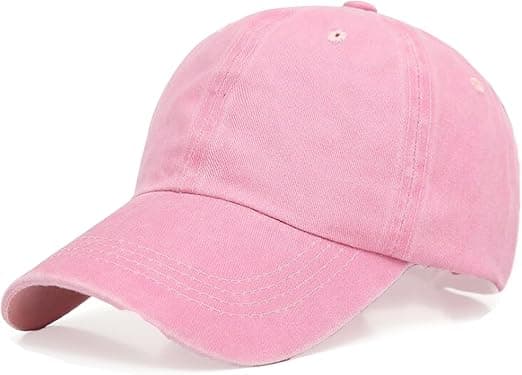
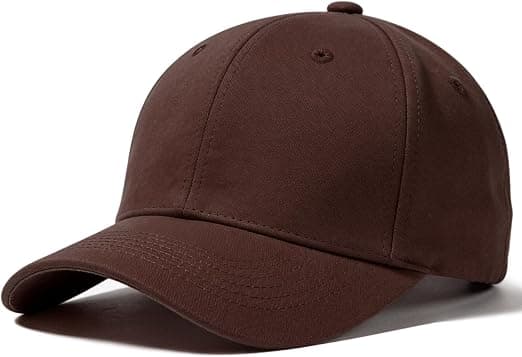
Most wholesale caps are cotton twill, brushed cotton, a poly blend, or a twill front with a mesh back. Twill is the default because it is firm enough to hold embroidery cleanly. Brushed cotton is softer and suits unstructured dad caps. Poly blends shed water and hold colour longer outdoors. Mesh backs vent. The fabric matters less for looks than for how the logo sits on it.
Which fabrics do caps come in?
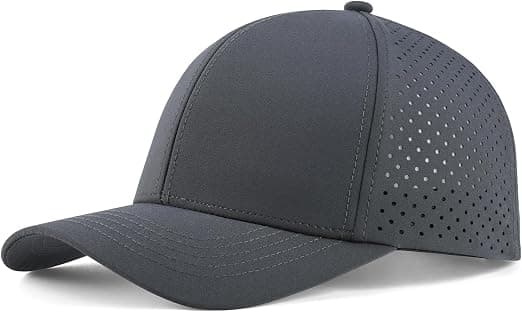
Cotton twill is the workhorse: a tight diagonal weave with enough body that a stitched mark stays flat and square. Brushed cotton is the same cloth with a softened face, which gives a dad cap its worn, low-profile look but also makes very fine embroidery slightly less crisp. Poly and poly-cotton blends hold their colour under sun and dry fast, which is why they turn up on outdoor and sports headwear. Trucker caps pair a foam-backed twill front with a polyester mesh rear — the front is there to carry the branding, the mesh is there to let heat out.
How does the crown structure change the fit?
Structure is separate from fabric and people conflate the two. A structured crown has buckram behind the front panels, so it stands up whether or not anyone is wearing it. An unstructured crown has none, and collapses onto the head. Six panel caps have a centre seam and usually sit taller; five panel caps have a single continuous front, which gives a wider unbroken area for artwork. A structured six panel is the safest choice for a logo that must look identical on fifty heads. An unstructured dad cap is the safest choice for something people will actually keep wearing after the event.
Which fabric suits which decoration?
Embroidery wants a firm, stable face, so structured twill is ideal and brushed cotton is workable. Puff embroidery needs the structure even more, because the raised stitch has to sit on something that will not pucker. DTF transfers sit on the surface and want a smooth flat panel, which means a foam trucker front or a firm twill rather than a soft brushed face. Screen printing on a curved cap front is the most constrained of the lot and generally wants a flat, smooth panel. Print or embroider wholesale caps? sets the methods against each other properly.
What should you check on the sample?
Order the £150 sample in the exact fabric and structure you intend to buy, because a spec sheet cannot tell you how a brushed cotton crown sits or whether your logo distorts across a centre seam. Check the peak stiffness, the sweatband, and whether the front panel puckers around the stitching. The same instincts that apply to picking blanks generally are in how to choose blank garments for printing. Every fabric option and its from-price is listed on wholesale caps, with quantity bands on pricing.
Does the fabric matter in summer?
It matters more than in winter, because a cap traps heat at the top of the head and the only routes out are the fabric and the eyelets. Solid cotton twill breathes moderately and absorbs sweat, which is comfortable for an hour and heavy by the end of a shift. Poly blends wick and dry quickly, so they feel better in sustained heat but can feel less pleasant against the forehead. Mesh backs vent genuinely well and are the obvious answer for outdoor work in summer, at the cost of a less formal look. Whichever you pick, the sweatband is the part that decides comfort — a proper absorbent band makes a cheap cap wearable and a poor one makes an expensive cap irritating by mid-afternoon. It is the first thing to press your thumb into when the sample arrives, ahead of anything to do with the logo.