
Sizing a Clothing Order for Societies
By The Velocity Wear Team
Collect sizes at the point of payment, not afterwards. A society curve is built from a list of named members rather than a percentage split, and the spare pieces that make up the rest of the 50 should sit in medium and large. Sizes mix freely inside the minimum, so a curve that exactly matches your sign-up list costs no more than a generic one.
How do you collect sizes from 60 members?
One form, one field, one deadline. Put the size question on the same form that takes the payment so the two cannot be separated, and include the garment measurements next to the size names rather than relying on labels. Students size themselves against whatever they already own, and a hoodie labelled medium in one shop is a large in another. Publishing chest width and body length in centimetres removes most of the guesswork before it becomes a swap request. The student and leavers pages cover the products this applies to.
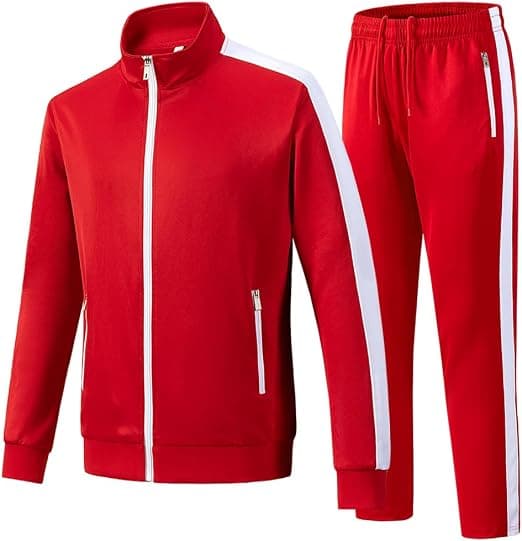
What does a student size curve look like?
Broader at the top than a workplace curve and rarely symmetrical. Societies commonly land heavier in large and XL than a general population split would suggest, partly because student kit is worn oversized by choice. Sports clubs skew differently again, and a mixed club may need two ranges rather than one. Rather than reasoning from a template, count the list you have and order against it, then place the leftover pieces where your requests clustered. Our hoodie fit and sizing guide explains how the same nominal size behaves differently across cuts.
Should society kit be fitted or roomy?
Roomy, in almost every case. Society kit is worn over other clothes, on a walk across campus in February, and the relaxed fit is what members expect from it anyway. A relaxed cut also absorbs sizing errors, which matters when sixty people have picked their own size from a form. If the club genuinely needs a fitted piece, such as a performance top for competition, treat it as a separate design with its own 50 pieces rather than trying to make one garment do both jobs. Extending a range without stranding stock is covered in our note on widening a size range.
What do you do with leftover sizes at the end of term?
Inventory them, store them flat, and hand them to the next committee as stock rather than as clutter. Unclaimed pieces sell at the next sign-up event, go to new members mid-year, or become the kit worn by volunteers at open days. What kills leftover stock is not the quantity, it is the lack of a list: nobody digs through an unlabelled bag when they could order something new. Check the wholesale range before the next order so the following curve corrects what this one got wrong.
Keep the sign-up spreadsheet itself. Next year the committee can compare the requested sizes against what was actually claimed, which is the only honest data a society will ever have about its own membership.
If the budget stretches to one thing beyond the kit itself, make it a try-on garment at the sign-up table. A rail holding a single hoodie in one size, with the flat measurements printed on a card beside it, resolves more size questions in an hour than a form resolves in a fortnight. Members compare it against what they are already wearing and choose accordingly. It also reduces the swap requests that arrive after delivery, which a committee has no good way of handling once the run is made.
Ask for two numbers rather than a letter wherever you can. A chest measurement and a preferred fit, close or loose, will place most people correctly even when they have no idea what size they normally buy. It takes one extra field on the form and removes most of the guesswork behind it.

