How Bulk Corporate Uniforms Are Packed
By The Velocity Wear Team
A bulk uniform order arrives in cartons on a pallet, with each carton labelled by design, colour and size breakdown, and a packing list confirming the contents. Garments can be bagged individually or packed loose in size runs. Which of those you choose changes how long distribution takes at your end far more than it changes the cost.
How does a uniform order actually arrive?
Folded, in cartons, palletised for anything above a small quantity. Each carton carries an external label listing what is inside it, so you do not have to open a stack to find the size you are looking for. The packing list travels with the consignment and is the document to count against before anything gets opened and distributed.
For a multi-site business, say so at order stage. Cartons can be packed and labelled by destination, so each branch gets its own box with its own size split rather than a head office sorting a pallet by hand. That single instruction is the difference between a morning and a week.
Should every piece be bagged individually?
It depends on who opens the box. Individual bagging keeps garments clean through handling and makes a uniform feel like a proper issue item when it reaches a new starter, and it is close to essential if any of the stock is being resold. Loose packing in size runs is faster to distribute in bulk and produces much less packaging to deal with on site.
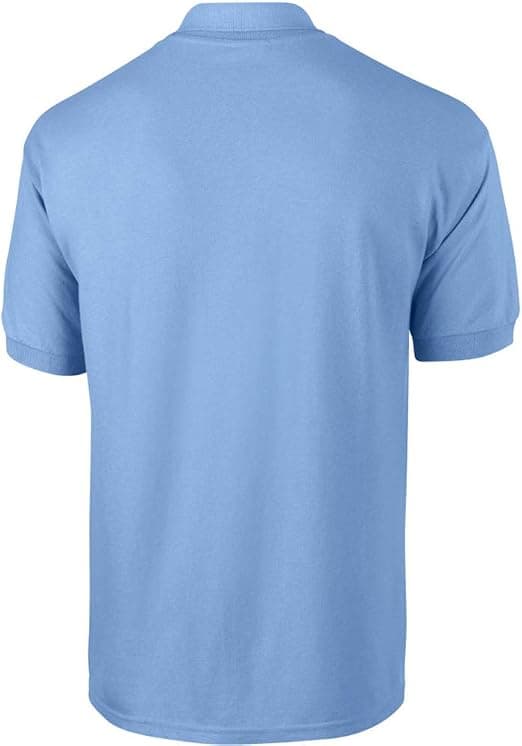
A hybrid works well on a large programme: bag the customer-facing garments, pack the back-of-house kit loose. Both can run on the same order as long as each design meets the fifty-piece minimum, and it is decided before production rather than after.
How are size runs split across cartons?
By default, sorted so each carton holds a known mix rather than being filled at random. A ratio pack means every carton contains the same spread of sizes, which suits distributing evenly across sites. Solid size packing puts one size in a carton, which suits a central store issuing on request. Tell us which model fits how you distribute, because the default may not be the one that helps you.
Quantity shapes this too. The fifty-piece minimum is per design and sizes mix freely inside it, so a single design across the full range is one order regardless of how the cartons are split. The price list opens at $20 per uniform for fifty, dropping through the tiers at 100, 250, 500 and 1,000 to a maximum reduction of 35%. The wholesale uniforms range covers what can travel on one consignment, and the glossary explains the packing terms that appear on the paperwork.
What should you check against the packing list?
Carton count first, before the driver leaves, because a missing carton is much easier to resolve at that moment than a day later. Then design, colour and size quantities against the list, and open a sample carton from more than one part of the pallet rather than just the top. Our quality checks guide sets out what to look for once the cartons are open.
Store the surplus properly. Uniform kept flat in its cartons in a dry room stays issuable for years, while stock left in a damp stockroom develops marks that no wash removes. That matters most on a phased rollout, such as the kind of staged intake described in ordering uniforms for the new year rush.
Think about where the pallet is going to land before it arrives. A full pallet needs a vehicle that can get to the door, somebody available to receive it, and floor space to break it down on. An office with a narrow entrance and no loading bay turns a routine delivery into an afternoon of carrying cartons through a corridor. Flagging the access situation when you place the order lets the consignment be arranged to suit it rather than discovered on the day.