Corporate Uniforms for Restaurants: size splits
By The Velocity Wear Team
Order a restaurant size split as a curve, not a register. Weight the middle sizes heavily, carry a thin tail at each end, and add a reserve in the two commonest sizes for people who have not started yet. The fifty-piece floor is per design and the mix inside it is entirely yours, so nothing about the minimum forces you into equal quantities.
Work out the piece count before you shape the curve, because the two questions get confused constantly. The quantity comes from headcount multiplied by how many garments each person holds. The curve is how that quantity is then distributed. Venues that settle the curve first often discover their total does not reach fifty of a design, then pad the outlier sizes to get there, which is the worst possible way to meet a minimum. Set the total, then divide it, and the sizes you add are ones somebody will actually wear.
How should a restaurant split 50 pieces across sizes?
A typical hospitality team clusters around two or three sizes with thin ends on either side. Putting roughly two thirds of the run into those central sizes and spreading the remainder across the outliers gives you a set that fits most arrivals without a reorder. Exact proportions come from your own rota, but the shape of the curve holds across almost every venue.
Collect the actual numbers before you commit. A sample garment on the pass for a week, with a sheet beside it, produces far better data than an email asking people to state a size. Our fit and size run guide explains how measurements translate between labels.
Do front and back of house need different fits?
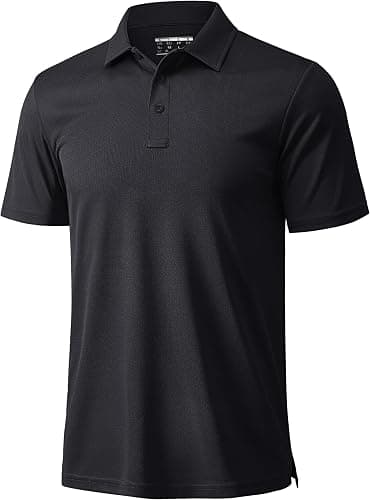
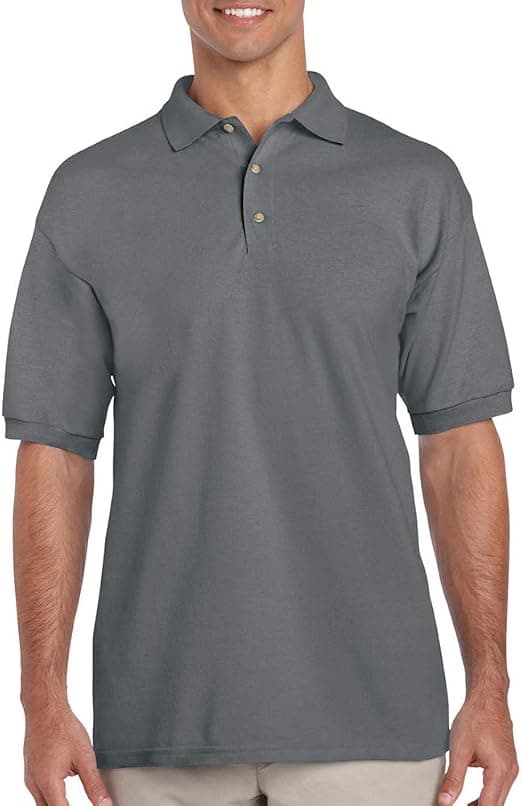
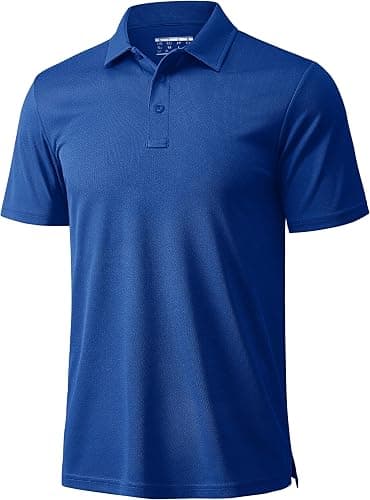
Often, yes. Kitchen staff work in heat and tend to prefer a looser cut with more room through the body, while floor staff are usually fitted closer because the garment is part of the room. If both groups wear the same design, order the kitchen allocation a size up rather than commissioning a second design and a second fifty-piece run. The hospitality programme page covers how the two sides are normally specified.
Aprons dodge the problem entirely, which is why they carry so much of the branding in venues with mixed teams. A single apron length with adjustable ties covers a wide range of people, so the branded item everyone sees needs almost no size planning.
What do you do about staff turnover?
Assume it. Hospitality rotas rarely look the same six months apart, so a run ordered exactly to today's team is out of date before the second wash. Adding a reserve block in the two commonest sizes costs only the piece price, and it means a new starter is in uniform on their first shift instead of in a borrowed shirt. The garment rates are on the wholesale uniforms page.
Keep the leftover tail sizes rather than writing them off. Someone eventually fits them, and a small stock of outliers is what stops the next order from being forced up at both ends.
One detail that saves a lot of argument later: decide before ordering whether the garment is meant to be worn fitted or loose, and tell the team which it is. A server choosing a size for a close cut and a chef choosing one for a relaxed cut will pick differently from the same chart, and half the swap requests after a delivery trace back to nobody having said. A line on the size form is enough.