Corporate Uniforms for Restaurants: reordering
By The Velocity Wear Team
Reordering restaurant uniforms is straightforward as long as the original specification was recorded. The same fifty-piece minimum applies to the repeat run, production is again 10 to 15 working days from approval, and the band resets to whatever quantity you order this time. The risk worth managing is colour drift between dye lots, which is handled at order stage rather than on delivery.
Work out roughly how fast the kit is being consumed before deciding anything else. Counting what remains in the store against what was delivered, once a quarter, gives you a consumption rate, and a consumption rate turns restocking into arithmetic. Most venues find the figure higher than they assumed, because garments leave through more routes than wear alone: people take them home, they are ruined on a shift, and departing staff occasionally keep them. Knowing the real number is what makes the next order the right size.
When should a restaurant top up its stock?
Before the spare pool empties, not after. Once the reserve is gone, every new starter is waiting on a production window plus transit, and the venue ends up running mixed kit on the floor. Setting a trigger point, such as reordering when the common sizes drop below a set number, converts restocking from a crisis into a diary entry.
Timing also has a cost dimension. Because bands reset each run, two panicked top-ups of fifty cost more per piece than one planned run of a hundred. Pushing the top-up out slightly so it can be combined with a seasonal addition often pays for itself. The steps are listed on the pricing page alongside the garment rates on the wholesale uniforms page.
Will a new run match the shirts on the floor?
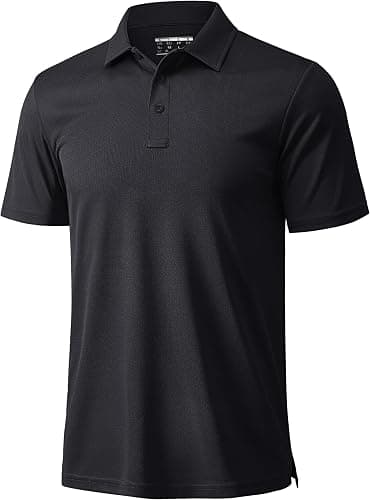
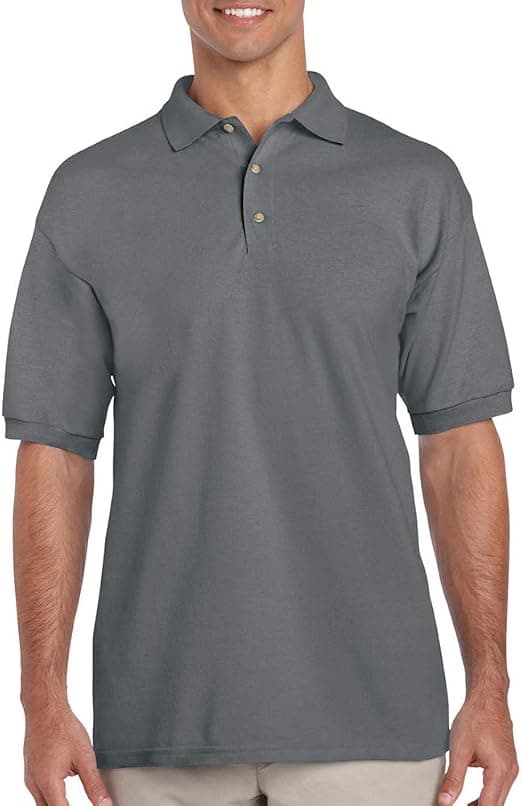
Close, if you give it something to match against. Fabric is dyed in lots and two lots of the same colour reference can differ slightly, which is invisible on its own and obvious next to a two-year-old shirt that has been through four hundred washes. Sending a piece from the original run as a physical reference is the most reliable way to keep the two sitting together.
Where an exact match matters more than anything, replace a whole department at once rather than mixing old and new within the same team. A floor where everyone is wearing the new run reads as intentional; a floor split between two shades reads as an oversight.
What is worth holding back from the first order?
The specification, not the stock. Keep the artwork files, the exact colour references, the fabric and fit chosen, the decoration method and placement measurements, and the size split you ordered. With that on file a reorder is a short email; without it, you are rebuilding the brief from a photograph. Our general note on reordering the same design later covers what suppliers need to repeat a run.
Record what actually got issued as well. Knowing which sizes emptied first is what turns the second size curve into a decision rather than a repeat of the first guess. The venue-side context sits on the restaurants and hospitality page.
A repeat run is also the natural moment to make small improvements. If the collar has been a complaint all year, or the apron is a touch short for the taller half of the team, that feedback can be folded into the next specification without disrupting anything. Treat each run as a revision rather than a photocopy, and the programme gets steadily better instead of repeating the same compromises for years.