Launching a UK Workwear Brand: Specifying for Trades
By The Velocity Wear Team
Workwear is a different market from fashion apparel and rewards a different set of decisions. The buyer is usually the wearer, they are highly experienced, and they will assess a garment on how it is put together rather than on how it looks. That is good news for anyone willing to specify construction properly, because the criteria are objective.
Construction beats fabric weight
New workwear brands reach for heavy fabric, assuming heavy means durable. It does not, particularly. Garments fail at stress points long before the fabric wears through, and the stress points are the seams, the pockets, the knees and the hems.
What actually extends life is triple-stitching or twin-needle at load-bearing seams, bar tacks at pocket openings and stress corners, reinforced knees, and protected hems. A lighter garment built properly outlasts a heavier one that is not, and it is more comfortable to work in.
Decoration that survives a working week
Embroidery outperforms print on workwear for the straightforward reason that it does not crack, fade or wash off, and workwear is washed hot and often. For a company logo on a polo or a jacket, embroidery is the default.
Placement matters more than on fashion apparel because of what sits on the body. Anywhere a tool belt, harness, bag strap or knee pad rides will abrade decoration until it fails. A back placement between the shoulders and a left chest mark are the standard positions precisely because they survive.
The hi-vis constraint
This is the specific technical trap in workwear branding. Hi-vis garments are certified to standards that depend on a defined area of fluorescent material and correctly positioned retroreflective tape. Decoration can compromise both.
Printing or embroidering over reflective tape stops the tape working. Large decoration can reduce the certified fluorescent area below what the class requires. The garment then looks branded and is no longer performing to the standard somebody is relying on for their safety.
The rule is simple: follow the garment manufacturer's decoration guidance, and have your supplier confirm the garment remains in class after branding. Do not improvise on this one.
What a first workwear range should contain
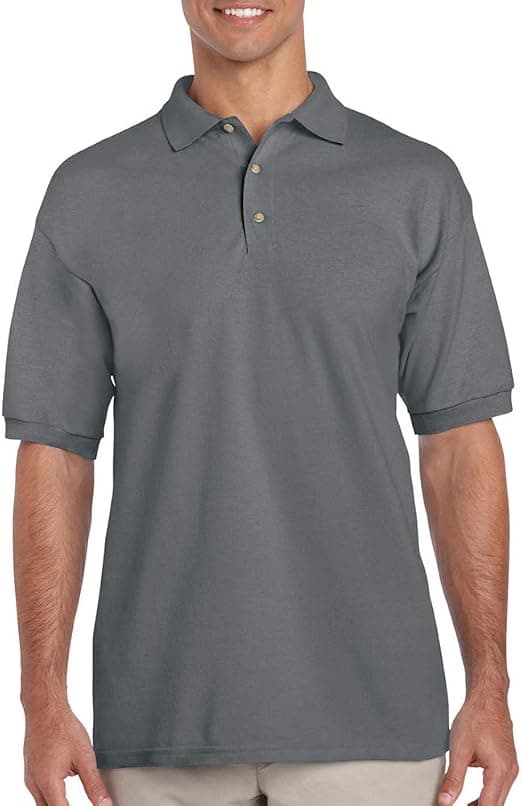
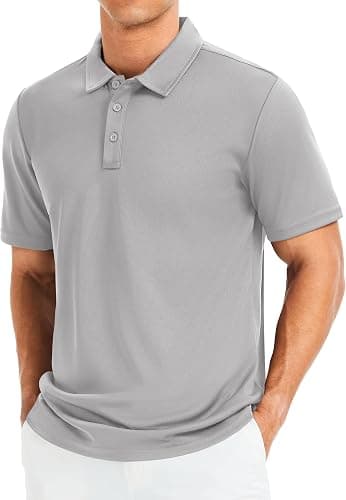
- A work polo, which is the highest-volume item in most trade wardrobes and the easiest sell.
- A softshell or fleece, which is what gets worn most of the year in Britain.
- A heavyweight hoodie or sweatshirt, which crosses over into off-site wear and does your marketing.
- Trousers only once you understand the fit expectations, which are specific and unforgiving in this market.
- Caps and beanies as low-cost additions that complete a kit and cost little to carry.
Sell on cost per person per year
Trade buyers respond to durability arguments framed in money. A garment that costs a third more and lasts twice as long is cheaper, and a business kitting out a crew understands that framing immediately.
It also changes what you should specify. If you are selling on longevity, the construction has to actually deliver it, because this customer will find out and will tell people.
Sizing and reorders
Site crews change constantly, so a workwear customer needs replenishment rather than seasonal drops. Being able to reorder is a bigger selling point here than in any other apparel category — a new starter without kit cannot start.
Production runs 10 to 15 working days from artwork approval, and a repeat of an approved design skips most of the setup, which makes a genuine replenishment promise possible. Mixed sizes inside the 20-piece minimum also means a small firm can order a realistic spread rather than buying depth it does not need.