Midweight vs Heavyweight on T-Shirts
By The Velocity Wear Team
Midweight t-shirts sit around 150 to 180 GSM and heavyweight around 200 to 240, within the same combed ring-spun cotton range. Midweight drapes, breathes and costs less to ship. Heavyweight stands away from the body, holds a boxy shape and survives heavier use. Both start from $13 a piece at our 50-piece minimum, with the weight affecting the final quote rather than the entry point.
What does the weight number actually change?
GSM is grams per square metre, so it measures density rather than thickness or quality. A denser knit has more yarn in the same area. That gives you three practical effects. The shirt is less transparent, which matters on white and pale colours where a dark undershirt or a bra strap shows through a thin body. The shirt holds its own shape rather than following the wearer's, which is what people mean when they say a heavyweight tee looks structured. And the edges, hems and collar resist curling for longer.
What GSM does not tell you is how the cotton was spun. Combed ring-spun yarn is smoother and stronger than open-end yarn at the same weight, which is why a well-made 180 GSM shirt can outlast a coarse 220. Treat the number as one input, not the whole specification. The full definition and the terms that sit next to it are in our glossary, and the general case for reading GSM properly is in GSM explained for bulk t-shirts.
What does each one feel like in the hand?
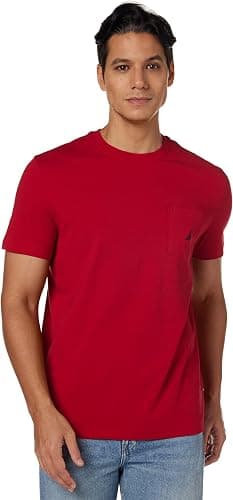
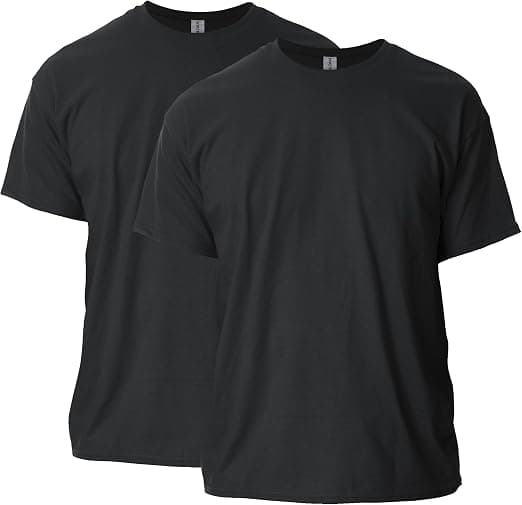
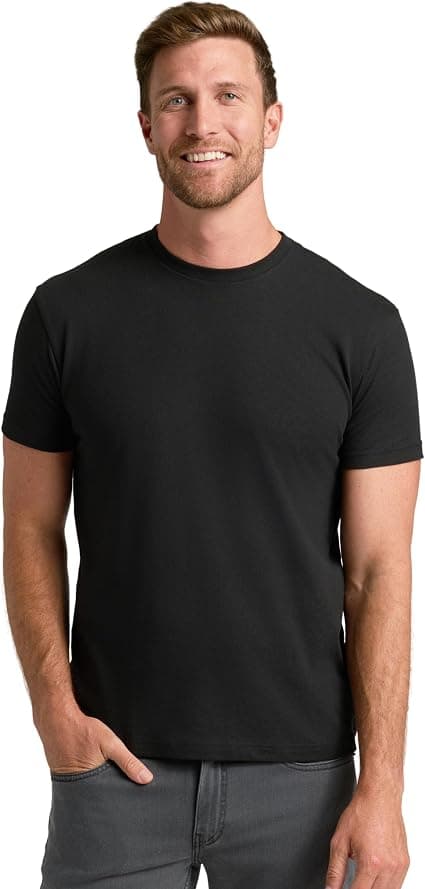
Pick up a midweight shirt and it folds softly over your fingers. Hold it to the light and you will see a little through it. It is the weight most people have in their wardrobe, it is comfortable in a warm room, and it packs down small. For an event giveaway, a summer run, a charity fundraiser or anything worn once over a weekend, it is the sensible default.
A heavyweight shirt has a noticeable weight when you lift it and the fabric stays where you put it. The shoulder seam sits squarely, the hem hangs straight rather than clinging, and the colour reads deeper because there is more fibre holding dye. Buyers who are selling shirts rather than giving them away nearly always go heavier, because the perceived value arrives before anyone reads the label. The trade-off is heat: a 240 GSM tee is warm in an indoor summer event and slower to dry.
Which is cheaper per piece, and by how much?
Heavier fabric costs more because there is more of it, and it also weighs more to ship, which shows up on a pallet of a thousand. But the fabric gap is smaller than the decoration gap. A two-colour front print on a midweight shirt can cost more than a one-colour print on a heavyweight. Quantity moves the number furthest: the tiers run 50 to 99, 100 to 249, 250 to 499, 500 to 999 and 1,000 plus, with up to 35% off the 50-piece rate at the top tier. You can see the current from-prices on the wholesale t-shirts page and set the two weights against each other on the comparison page.
One costing habit worth adopting: quote both weights at the same quantity, in the same email, with the same print specification. Buyers often compare a 50-piece heavyweight quote against a 250-piece midweight quote and conclude the fabric is expensive, when what they are looking at is the tier.
So which should you order?
Order midweight when the shirt is a giveaway, when it will be worn in heat, when you are shipping a long distance and weight matters, or when the budget per piece is fixed and you would rather spend the difference on a better print. Order heavyweight when the shirt is being sold, when it is staff kit worn on repeat, when you want a boxy or oversized cut to hold its shape, or when a deep colour has to look rich rather than washed out. If the run is large enough to matter, take the £150 sample in the weight you are leaning towards. It is credited against the bulk order, and it settles the argument faster than any spec sheet. Fit interacts with weight, which we cover in fits and cuts for wholesale t-shirts.