Fits and Cuts for Wholesale T-Shirts
By The Velocity Wear Team
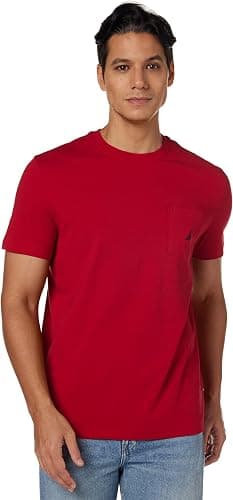
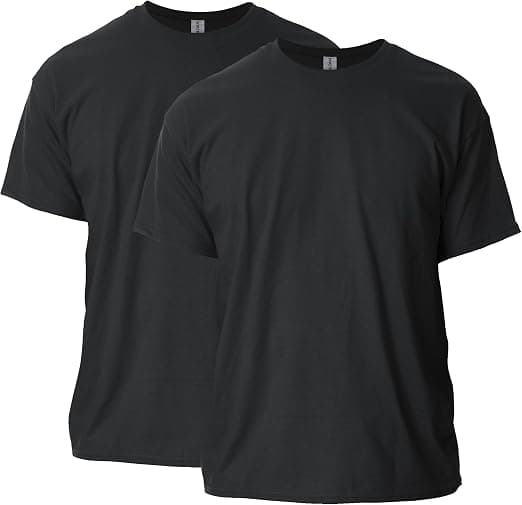
Regular, boxy and oversized are three different patterns, not three sizes of the same one. Regular follows the body with a standard length. Boxy is wider and shorter, with a dropped shoulder. Oversized is bigger everywhere. On a mixed team, the cut decides how forgiving your size curve needs to be more than the size chart does.
What is the difference between the cuts?
Regular fit has a shoulder seam that sits on the shoulder, a chest with modest ease and a body long enough to stay tucked. It is the cut people picture when they say t-shirt, it layers under a jacket or a tabard, and it photographs as tidy. For uniform, staff kit and anything worn with other workwear, it is the sensible default.
Boxy fit widens the body and shortens it, and moves the shoulder seam down the arm. The result reads as deliberate streetwear rather than as a shirt that does not fit, but only if the fabric has enough weight to hold the line. In a thin body the dropped shoulder collapses. Oversized takes the same idea further, adding length back in alongside the width.
Our range is 150 to 240 GSM combed ring-spun cotton, with regular and boxy fits. The heavier end of that range is where boxy works best. The weight side of the decision is covered in GSM explained for bulk t-shirts, and the streetwear application specifically in boxy t-shirts.

How do you size a mixed team?
Collect actual sizes rather than guessing, and collect them against a chart rather than against the word medium, because medium means something different to everyone. Send round the measurements for the specific garment you are ordering and ask people to pick from those. It takes an afternoon and it prevents the two or three unwearable shirts that otherwise end up in a drawer.
Then add margin in the right place. The 50-piece minimum lets you mix sizes freely, so there is no cost to an uneven curve. Order the middle sizes deeper than your headcount requires and keep a small buffer at the top end, because a shirt that is slightly big gets worn and a shirt that is slightly small does not. If you are ordering for people you have not met, boxy is more forgiving than regular for exactly this reason.
Does the cut change where the print goes?
Yes, and it is the detail most often missed at artwork stage. A chest print positioned for a regular fit sits too high on a boxy body, because the boxy body is shorter. A large front graphic sized for a regular medium can run close to the side seams on a boxy small. And on a dropped shoulder, a sleeve print lands further down the arm than the mockup suggests.
Tell us the cut when you send the artwork and the placement is set for that pattern. If you are running the same design across two cuts, expect two setups rather than one. The placement rules in detail are in print placement on t-shirts.
Which cut should you order?
Order regular when the shirt is uniform, when it is layered under other kit, when the wearers span a wide age range, or when it has to look neat in a photograph. Order boxy when the shirt is merchandise, when the audience expects a current silhouette, when you want the design to sit on a flat panel rather than a curved chest, or when you are sizing for people whose measurements you do not have.
T-shirts start at $13 a piece at the 50-piece minimum, and the cut does not change that entry point, though the fabric weight you pair it with might. Current from-prices are on the wholesale t-shirts page, and the cut and fit terms you will see on a spec sheet are defined in the glossary. If the decision is close, a £150 sample, credited against the bulk order, settles it in a way a chart cannot.