T-Shirts for Schools: reordering
By The Velocity Wear Team
Every reorder is a fresh production run at the same 50-piece minimum per design. For a school that is rarely a problem, since a year group is usually well above it, but it does mean a handful of late shirts cannot be added as a top-up. Artwork and specification carry over; exact dye colour does not. Keep the files, the ink codes and one sealed shirt, and next year takes a fraction of the effort.
Can a school reorder fewer than 50?
No. The minimum holds on every run, first or fifth, so twelve extra shirts for pupils who missed the deadline is still a 50-piece order. The practical answer is to build the spares into the original run instead. An allowance of around one in ten covers absences, damage and misspellings, and costs far less than a second run later. If adding them lifts you into the next quantity tier, the total can even fall.
Where a genuine second run makes sense is when a whole new cohort is involved, or when the same design is wanted for a different event later in the year. Those are proper orders in their own right and are priced on their own quantity. How to set the size split and spares covers getting the first run big enough.
Will next year match this year?
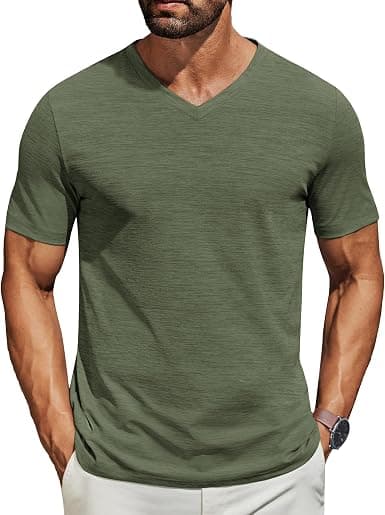
The print will if you specify the ink colours by code. The garment will be close rather than exact, because fabric is dyed in batches and small variation between lots is normal. For a school this matters less than it sounds: each cohort wears its own shirt, and two year groups standing together in slightly different shades of the same colour is not something anyone notices. It only shows when two runs are folded on one table.
Keep one unworn shirt from each year, sealed and labelled with the year, and send it as the reference when you reorder. That is a more reliable instruction than a colour name in an email, and it takes thirty seconds at the point when the boxes are being unpacked anyway.
When should a school place the next order?
A term ahead of the date, the same as the first one. Production is 10–15 working days from artwork approval plus transit, and the school-specific delays sit in front of that: closing a new name list, confirming the new year number, getting a signature. A repeat order skips the crest redraw, which is usually the slowest single task on a first order, but it does not skip the list. The school lead time sets out the full count backwards.
What should you keep on file between years?
Five things, and the list is short enough to actually follow. The print-ready vector crest. The ink colour codes. The typeset name list file, which shows next year how the last one was laid out. The final size split with a note of what was left over, which is the only honest forecast you will ever have. And the sealed reference shirt. Handed to whoever runs it next year, those five turn a three-week job into a one-week one. Price the new run against the current tiers on our pricing page, and our schools and leavers page covers the rest of the kit.
Should the garment itself stay the same each year?
There is a good argument for keeping it fixed once you have found one that works. A leavers shirt that pupils actually keep tends to be at the heavier end of the 150–240 GSM combed ring-spun cotton range, in a fit the cohort likes, and having settled that you do not need to settle it again. The wholesale t-shirts page lists the options, so the specification can simply be repeated from last year. Where schools do change something, it is usually the colour or the back print, and both are worth deciding before the crest is re-approved rather than after.