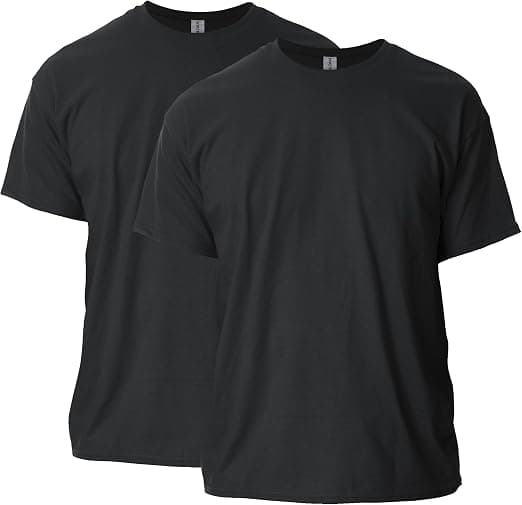
Minimum Orders Explained for Retailers
By The Velocity Wear Team
The minimum is 50 pieces per design. Sizes inside those 50 are yours to split however the size curve demands, so a shop can take six extra smalls without penalty. What does not stretch is the design itself: a second colourway that needs its own screens is counted as a separate 50, and so is a second garment carrying the same logo.
What exactly counts as one design?
One artwork, printed or stitched the same way, on one garment. Change the garment and it is a new run, because a hoodie and a t-shirt are cut, handled and decorated differently even if the logo file is identical. Change the ink colours so the mark reads on a dark body and that is a new set-up too.
Sizes are the exception and they are free. Fifty pieces split as eight small, fourteen medium, sixteen large, eight extra large and four double extra large is one order, not five. That matters for a shop, because the size curve is where retail money is lost. Our wholesale catalogue shows what is available, and the samples page covers the stage before a run is committed.
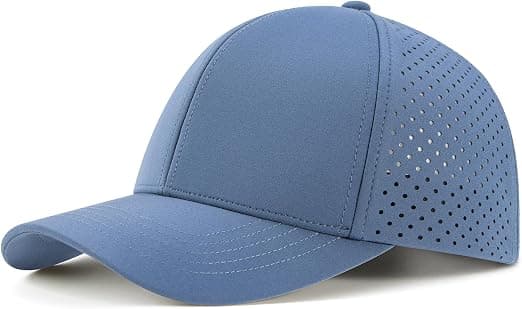
Do two colourways double the commitment?
If each needs its own screens, yes. That is the single most expensive assumption a retail buyer makes, because a black and a white version of the same tee feel like one product on a range plan and are two runs of 50 in a factory. Plan for it at the range stage and the surprise never arrives.
There are ways around it. A single-colour mark that reads on both bodies can sometimes stay one set-up, and embroidery behaves differently from screen print here. Ask before you finalise the range rather than after. Minimum order quantities explained goes through the mechanics in more depth.
How should a small shop spend its first 50?
On the product it already knows sells blank. A shop with till data has an advantage a new brand does not: you know which category moves and roughly which sizes. Put the 50 behind that, in one colourway, and hold the second idea until the first sells through. Fifty pieces is a test that fits on a shelf, not a season.
The margin maths helps here too. Fifty at the entry price and 150 at a better band are different businesses, so if the first run clears quickly the second should be bigger rather than broader. What a 50-piece minimum actually changes covers how that shifts the risk for a small buyer.
Does the minimum apply to a repeat order?
Yes, every time. A restock of a design you already sell is still a run of 50, which is why restock timing matters more for apparel than for stocked goods. You cannot order 20 to fill a gap, so the question is when to raise the next 50, not whether you can raise a smaller one.
How does the minimum shape a range plan?
It pushes a range towards depth rather than breadth, which for most independent shops is the right direction anyway. Four designs at 50 pieces each is 200 units of commitment spread across four unproven ideas. One design at 200 is the same commitment behind the idea you believe in most, at a better per-piece figure, with one colour reference and one delivery to manage.
The practical approach is to plan the range in phases. Run the first design, watch it for six weeks, and let its sell-through decide whether the second design happens at all. A range plan built that way costs the same money but spends it after the evidence rather than before it.
It also affects how you treat colourways. Because a second colourway can be a second run of 50, the safest sequence is to prove the design in one colour and add the alternative once the first has cleared. Shops that launch two colours together frequently find one of them sells three times as fast, and they are then holding 50 pieces of the wrong one.