What a 20-Piece Minimum Actually Changes
By The Velocity Wear Team
Minimum order quantity is usually discussed as a budget question — how little can I spend to start. That is the least interesting thing about it. The more important effect of a minimum is on how many separate things you can test, and that determines how much of your first year is guesswork.
Per design is the phrase that matters
Our minimum is 20 pieces per design, with mixed sizes included inside it. Both halves of that do work.
Per design means a brand with a £2,000 budget can run several designs rather than one. Mixed sizes included means each of those runs can carry a realistic size curve rather than being forced into a single size to hit a threshold. Together they turn a first order from one bet into an experiment.
Why testing several beats backing one
A brand with no sales history does not know which of its designs customers will buy. Founders reliably have an opinion and that opinion is reliably wrong about something — the design you are proudest of is frequently not the one that sells, and that is not a criticism, it is just what happens when you are inside your own brand.
Three designs at 20 pieces each costs more per unit than 60 of one. What it buys is the answer to the only question that matters, which is which one to put the reorder behind. That answer is worth considerably more than the unit price difference.
What a high minimum actually does
- It forces concentration. With a 300-piece minimum, the same budget buys one design instead of several, so the whole launch depends on one guess.
- It delays launching. Brands wait to save more, which means the market feedback arrives months later than it needed to.
- It creates storage problems before there is any revenue to justify them.
- It makes stopping expensive. A brand that discovers its product does not work should be able to stop cheaply, and a warehouse full of stock prevents that.
What it does not mean
A low minimum is not a reason to order 20 of everything indefinitely. Unit cost really does fall at volume — our tiers run from base pricing at 20 to 49 pieces upward — and a brand still ordering minimums two years in on a design it knows sells is leaving margin on the table for no reason.
The sequence is: minimums while you are learning, real quantities once you know. The minimum exists to make the learning affordable, not to be a permanent operating mode.
The reorder is what makes it work
A low minimum with a long lead time would be a trap — you would sell out of your winner and be unable to restock for months. It works because production runs 10 to 15 working days from artwork approval and a repeat of an approved design skips most of the setup.
That combination is the actual proposition: test small, find out fast, restock quickly. Either half without the other is much less useful.
A practical first order
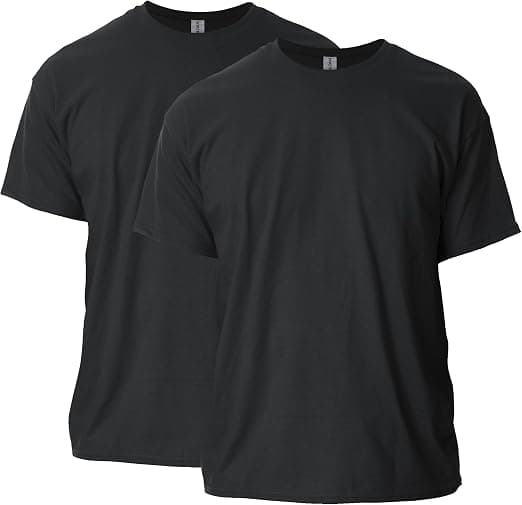
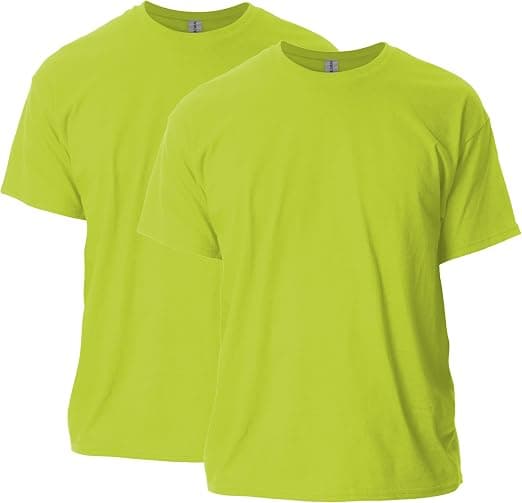
Three designs, one garment style, one colourway each, 20 pieces per design on a middle-weighted size curve. That is 60 garments, one blank, one set of labels, and three genuine market tests running at once.
Sell them, look at which moved and in which sizes, and put the second order behind the answer. That is not a compromise version of launching a brand — for a brand with no data, it is simply the better version.