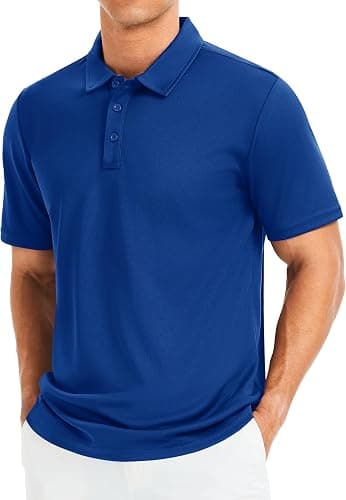
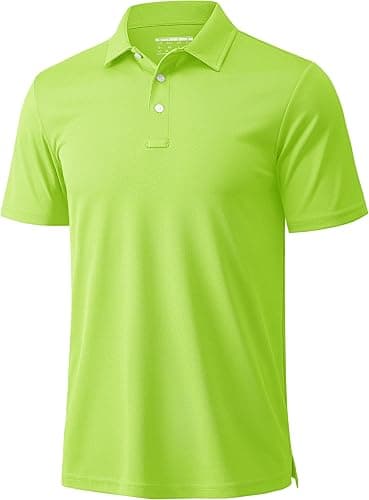
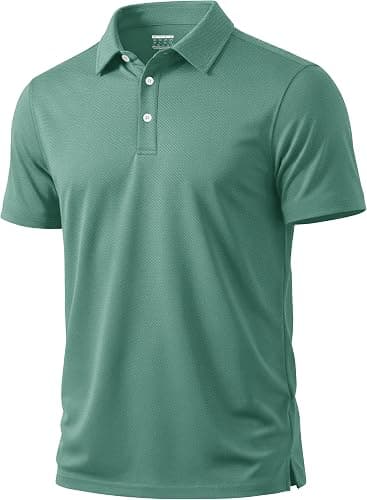
Polo Shirts for Schools: reordering
By The Velocity Wear Team
A reorder keeps the artwork, the digitised embroidery file and the approved specification, so the work that made the first order slow is already done. What does not carry over is the quantity band: each order is priced on its own volume, and the minimum is still 50 pieces per design. Colour consistency between runs is the thing worth planning for.
What carries over from the first order?
- The artwork file and, for embroidery, the digitised stitch file, both already proven on a garment.
- The full specification: fabric, colour, collar, placket, decoration positions and sizes.
- The sample in your cupboard, which is your physical reference for the next run.
- The size curve you actually used, corrected by what was left over at the end of the year.
Keep all four in one place. Schools change the person who handles uniform far more often than they change the uniform, and a reorder placed by someone who was not there the first time is where specifications quietly drift. A single page listing the wholesale polo shirts specification, the file names and the previous quantities is enough.
How do you keep the colour consistent between runs?
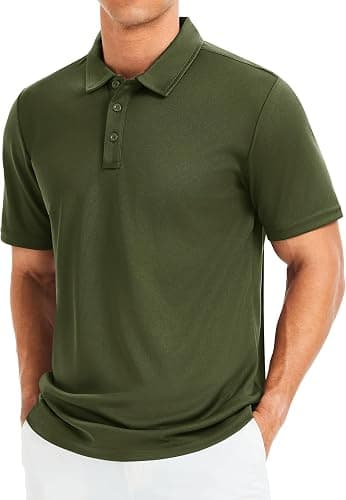
Reference the physical garment, not a colour name. Fabric dyed in separate batches can vary slightly, and the gap is far more visible when a class is standing in rows than it ever is on a single shirt. Sending the approved sample back as the reference, or quoting the original order so it can be matched against, is what keeps the second run sitting beside the first without anyone noticing a difference.
Where an exact match across a whole cohort matters more than anything else, the honest answer is to order in one run. A single order of 200 will always match itself better than two orders of 100 placed eight months apart, and it lands in a better quantity band besides. The pricing page shows where those bands sit.
When should the reorder be placed?
Off the back of a stock count, not off a feeling that the cupboard looks empty. Count what is left by size at the end of the year, subtract it from next year cohort, and order the difference plus a small buffer. Production is 10 to 15 working days from artwork approval with transit on top, and because the artwork already exists that approval can happen quickly — but only if somebody actually confirms it rather than assuming a repeat needs no sign-off.
Schools work to fixed dates, so place the reorder in the term before it is needed. The schools and leavers page covers how polos, hoodies and the rest of the kit tend to share a deadline, and ordering them together is usually simpler than chasing three separate runs.
Is it cheaper to reorder or to order more the first time?
More the first time, in almost every case. One order of 250 sits in a better band than two of 125, carries one setup rather than two and removes the colour-matching question entirely. The counterweight is that you are committing to a design and a size curve you might want to change, so the answer depends on how settled the uniform is. If the design has been stable for years, buy ahead; if the crest is under review, do not. Size splits for school polo orders covers how to shape the quantity, and reading a wholesale quote shows which lines on the second quote should be lower than the first.
Who should own the specification?
A role, not a person. Uniform tends to sit with whoever picked it up last, which works until they change jobs and the file goes with them. A one-page record held in the school office — fabric, colour, collar and placket, crest size and position, decoration method, artwork file names, previous quantities and the size curve actually used — makes the next order a phone call. Without it, a reorder becomes a fresh specification exercise, and that is how a uniform quietly drifts from what the year above is wearing.