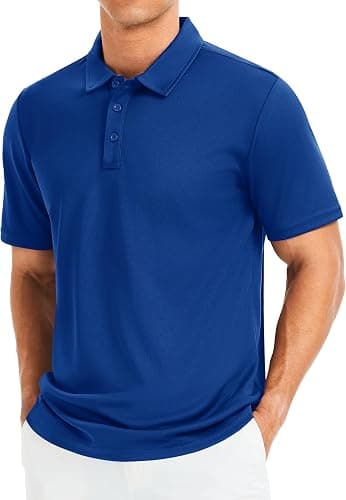
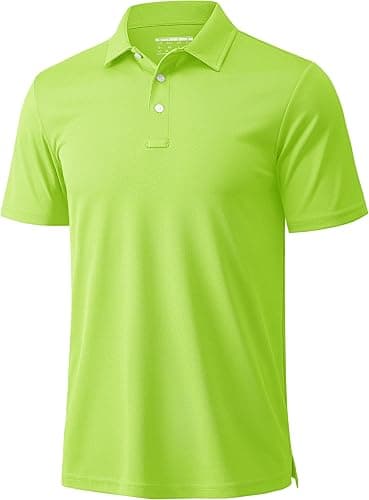
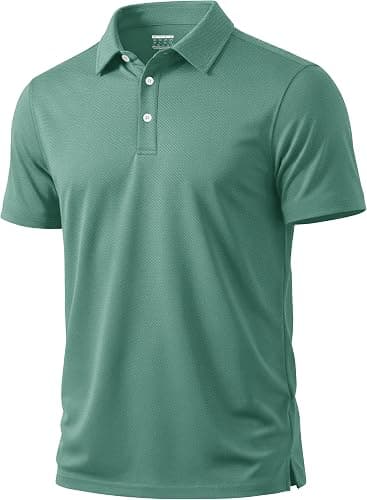
Polo Shirts for Restaurants: size splits
By The Velocity Wear Team
Sizes mix freely inside the 50-piece minimum, so the split costs nothing. In hospitality the right approach is to size for the roles rather than the current names, because the team will change before the shirts wear out. Weight the order towards the middle sizes, keep a spare in each, and count what is left before reordering.
Why not just order to the current staff list?
Because the list is out of date by the time the boxes arrive. Turnover in a restaurant means shirts come back, go missing and get replaced continuously, and a size curve built around fourteen specific people leaves you with a shirt for someone who left in March and nothing for the person who started in April. Size for the shape of the team instead: how many floor staff, how many kitchen, and the range of bodies that typically fills those roles.
This is also why the per-person quantity matters. Several shirts each is normal in a venue with a hot wash cycle, and once that is factored in the order comfortably clears the 50-piece minimum even for a small team. What restaurant polo shirts cost works through that per-head arithmetic.
How do you shape the curve?
- Start from the roles and headcount, then multiply for rotation rather than one shirt each.
- Weight heavily towards the middle sizes, which is where most of the demand sits.
- Cover the ends of the range properly if you already know somebody needs them.
- Add a spare or two in the common sizes so a new starter is kitted out the same day.
Fit matters more in hospitality than the numbers suggest, because the shirt is worn for long shifts in heat. A fabric that moves — the performance knits on the wholesale polo shirts page — is more forgiving of a size that is not exactly right than a rigid piqué, and that is worth knowing before you finalise the curve.
What about front and back of house differences?
If the two groups wear the same design, they are one order and one size curve, which is the simplest arrangement and the lowest total cost. If they wear different colours, each colourway is a separate design at 50 pieces, so you are shaping two curves and each has to stand on its own. That is a real consideration for a small venue: a ten-person kitchen cannot fill a 50-piece run on its own, and the shirts you do not need still have to be paid for.
The restaurants and hospitality page covers how venues usually divide the two, and it is worth settling that question before sizing rather than after, since the answer changes how many curves you are building.
How do you correct the curve on the next order?
Count what is left. The sizes still sitting in the cupboard at the end of the year are the ones you over-ordered, and the ones that ran out in month three are the ones you under-ordered. That count is a better guide than any chart, and it costs nothing to keep. Reordering restaurant polo shirts covers how to carry that correction forward, and handing out polo shirts to a team covers keeping track of who has what in the first place.
Does fit matter beyond comfort?
It shows. A polo that is tight across the shoulders on a server carrying plates reads as badly fitted from every table in the room, and a shirt two sizes too big reads the same way. Front of house is part of the room, so the curve is doing visual work as well as practical work. Back of house has a different priority: room to move and room for heat, which usually means erring generous. Ordering the same design for both is fine, but shape the quantities knowing the two groups will pull in slightly different directions.