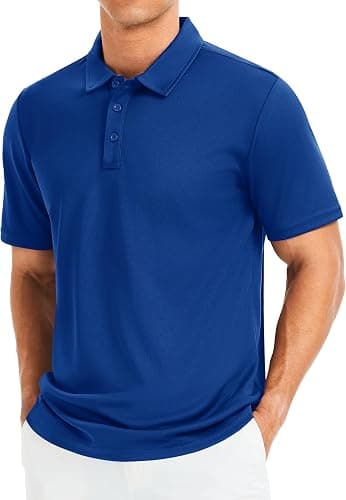
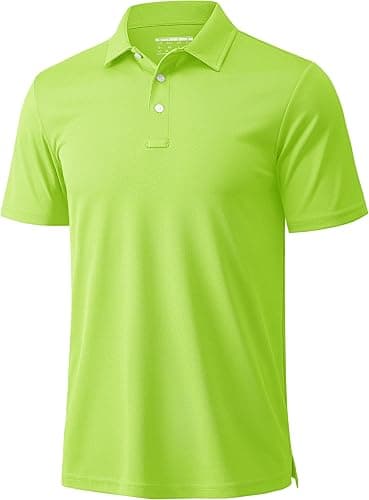
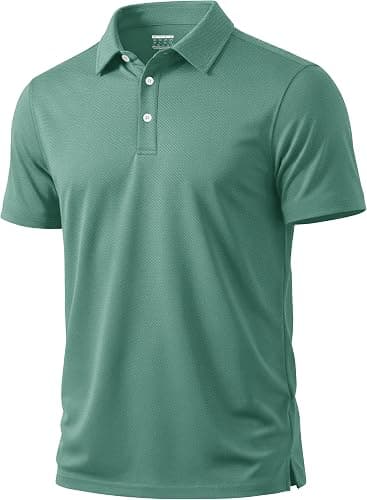
Polo Shirts for Restaurants: reordering
By The Velocity Wear Team
Reorder from a stock count rather than from an empty shelf. The artwork, stitch file and approved specification all carry over, so the slow part of the first order is already done, but the minimum is still 50 pieces per design and each run is priced on its own quantity. Colour matching between runs is what needs the most attention.
Why does colour matching matter more in a restaurant?
Because the whole team is visible at once. A slight difference between dye batches is invisible on a single shirt and obvious when six people are standing in the same room under the same lighting. The fix is simple: reference the physical garment you approved rather than a colour name, and quote the original order so the new run can be matched against it. Keeping the first sample in a drawer is what makes this possible a year later.
Where an exact match across the floor is the priority, order in one run rather than two. A single larger order matches itself perfectly, lands in a better quantity band on the pricing page and carries one setup instead of two.
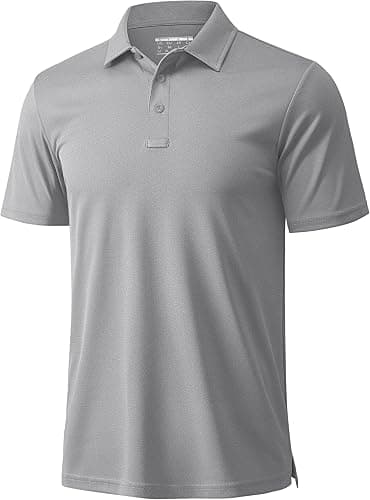
When is the right moment to reorder?
When the count says so, which is earlier than instinct suggests. Production is 10 to 15 working days from artwork approval plus transit, so a shelf that is empty today is a team short of shirts for three weeks. A quarterly count by size, compared against headcount and turnover, gives you enough warning. In hospitality shirts disappear as much as they wear out, so the count matters more than the condition of the ones still hanging up.
The restaurants and hospitality page covers the rest of the kit that runs down on a similar cycle, and grouping those items into one order is usually easier than chasing several small ones through separate approvals.
What carries over and what does not?
- Carries over: artwork, digitised embroidery file, fabric and colour specification, collar and placket detail.
- Carries over: your approved sample, which is the reference for matching the new run.
- Does not carry over: the quantity band, since each order is priced on its own volume.
- Does not carry over: the 50-piece minimum, which applies again to every repeat order.
That last pair is why a small top-up is poor value. Five shirts cannot be ordered, and fifty priced in the lowest band is a different proposition from adding fifty to an order that was going to happen anyway. Build the buffer in while the run is open. Polos start at $18 a piece at the minimum on the wholesale polo shirts page, and the extra pieces carry the garment cost only, because the setup is already paid for.
Should the specification change on a repeat?
Only for a reason you can name. A fabric that did not survive the wash cycle is a reason. A colour that showed every splash is a reason. Wanting to tidy the logo is not, because any change to the specification means the approved sample no longer represents what you are buying, and the run has to be judged fresh. If you are making a genuine change, take a sample first. What restaurant polo shirts cost covers what that change does to the invoice, and pricing polo shirts for resale is worth a look if the venue also sells branded shirts to customers.
Can the reorder be combined with other kit?
Usually, and it is worth asking. Aprons, caps and outerwear tend to run down on a similar cycle, and grouping them into one conversation means one set of approvals, one delivery and one invoice rather than three of each. It does not combine the quantity bands, because those apply per design, but it does remove a large amount of administration from a job that is otherwise repeated every few months. Keep a single list of every branded item the venue uses, with quantities and the date each was last ordered.