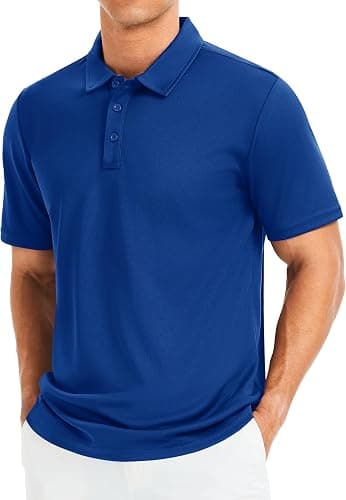
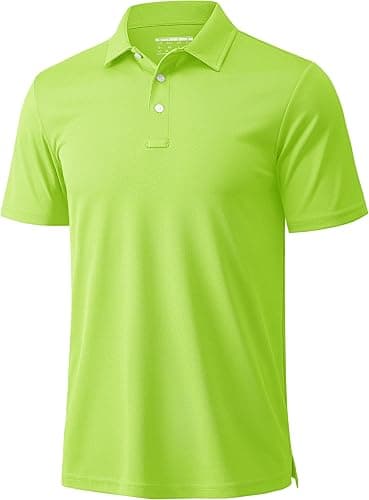
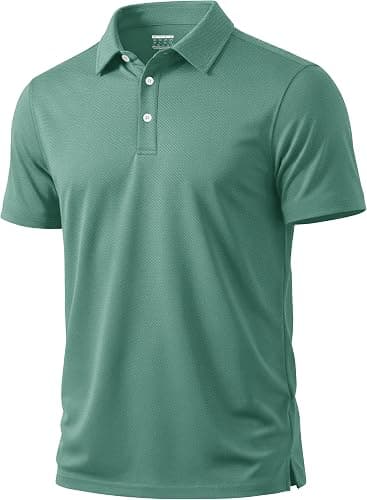
Polo Shirts for Restaurants: cost
By The Velocity Wear Team
Restaurant polo shirts open at $18 a piece at the 50-piece minimum, with sizes mixed freely inside that 50. Volume moves the figure through five bands, up to 35% below the opening price at the top. For hospitality the more useful number is cost per head per season, because kitchen and floor staff need several shirts each rather than one.
Why is cost per head the number that matters?
A restaurant polo does not last a year on one shirt. It goes through heat, grease, splashes and a hot wash, often daily, and staff need enough in rotation that nobody is putting on yesterday shirt. Three shirts per person is a common working figure, which turns a team of twenty into a 60-piece order and puts you comfortably past the minimum without trying.
That reframing usually improves the price rather than worsening it. Twenty shirts is below the minimum; sixty sits in the 50–99 band; a second site takes you into the next one. The bands are on the pricing page, and the fabric options that determine how well each shirt survives that rotation are on the wholesale polo shirts page.
Should front and back of house be the same shirt?
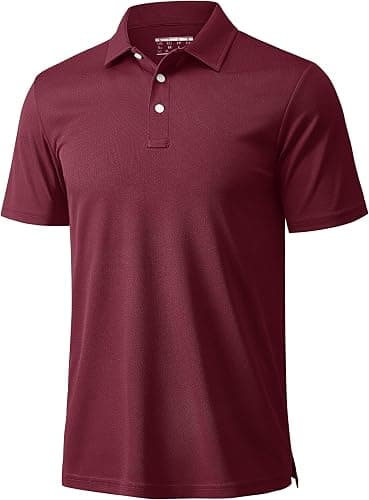
Costwise, yes if you can manage it. One design across both means one setup, one artwork approval and a single quantity that reaches a better band, instead of two orders each starting at 50 pieces. The argument against is practical rather than financial: kitchen staff work in heat and want something that breathes, while floor staff are seen by customers and the shirt is part of the room.
A workable compromise is one design in two colours, but be clear that a colourway needing its own screens counts as a separate design with its own 50-piece minimum. If the budget is tight, a single colour across the whole team is materially cheaper than a two-colour split, and it is worth pricing both before deciding. The restaurants and hospitality page sets out what tends to be ordered across a venue.
What sits on the invoice besides the shirts?
- Decoration by position: a chest logo is one, adding a back mark makes it two.
- Setup per position, charged once and spread across however many shirts you order.
- The £150 sample, credited back against the bulk order.
- Delivery, quoted on weight and destination across the UK, USA and Europe.
The setup line is the reason a 50-piece order and a 200-piece order feel so different per shirt. It does not change with quantity, so the same figure is divided by four times as many garments. Budgeting a bulk polo order works through how those lines stack into a total.
Where does the money get wasted?
On specifying a shirt that will not survive the environment, and on ordering too few. A polo chosen purely on the garment line that fails after two months of hot washes costs more than the better one, because you buy it twice and the second time you start again at the 50-piece minimum. The other frequent waste is a size curve built on guesswork, which leaves a stack of shirts nobody can wear — size splits for restaurant polo orders covers how to avoid that.
How does a multi-site group buy?
As one order wherever the design allows it. A group with four venues in the same brand is buying a single design at four times the volume, which lands several bands higher and carries one setup rather than four. Delivery to separate addresses is a line on the quote rather than a reason to place separate orders. Invoicing runs in seven currencies, which matters for a group operating across the UK, Europe and the USA, so confirm at quote stage which currency the invoice will be raised in rather than converting a published figure yourself.