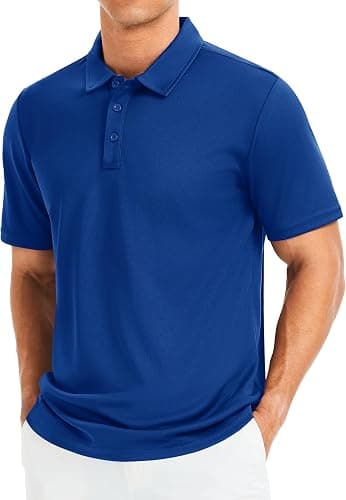
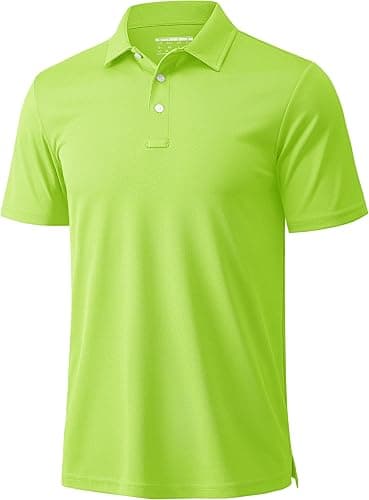
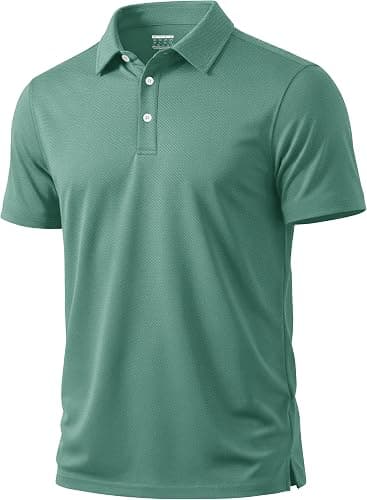
Polo Shirts for Restaurants: samples
By The Velocity Wear Team
A sample is £150, credited against the bulk order when you go ahead, and it is never supplied free. For a restaurant it is the only honest way to test a uniform, because the questions that matter — heat, stains, how the collar looks after a hot wash — cannot be answered from a picture. Wear it through a service before approving anything.
What is in the sample?
A single shirt built to your full specification: your fabric, your colour, your collar and placket, your logo in the position and size you asked for. It is not a stock polo with a transfer on it, which is the reason it has a real cost attached, and the reason the credit exists. On any order past the 50-piece minimum the £150 comes off the final invoice, so it is a cashflow step rather than money spent.
Polos start at $18 a piece at that minimum on the wholesale polo shirts page, which puts the sample in proportion: it is a small fraction of a run, and it is the only part of the process you can hold before committing.
Which tests are worth running?
- 1A full service. Not a fitting — an actual shift, in the actual heat of the room.
- 2The venue wash, three or four times, at the temperature and detergent you really use.
- 3A stain check: whether the colour hides what it needs to hide on a busy night.
- 4Collar and placket after those washes, which is what makes a polo look tired or smart.
- 5Logo legibility from across the room, since that is the distance it is read at.
The wash test is the one that changes decisions. A shirt that looks right out of the bag and limp after four hot cycles is telling you something about the fabric choice, and finding that out on one shirt rather than 150 is the entire point of the exercise.
Who should wear the sample?
Someone who works the hardest shift you run, not whoever is in the office. A kitchen polo tested only by management tells you nothing about heat over five hours. It is also worth letting a couple of people try it on for fit, because a size that reads fine on paper can sit wrong across the shoulders in a role that involves reaching and carrying all evening.
One sample covers one design. A second colourway is a separate specification, in the same way it is a separate 50-piece minimum, so if front and back of house are wearing different colours, expect to judge each on its own. The restaurants and hospitality page covers how venues usually split those two.
How does the sample fit the schedule?
Before artwork approval, which is what starts the 10 to 15 working day production window. The sample has to be made and shipped first, so it sits outside that window rather than inside it, and a tight opening date needs it planned in from the start. Once the sample is approved and the artwork signed off, nothing about the specification should change — if it does, the shirt you tested is no longer the shirt you are buying. Reading a wholesale quote shows where the sample credit appears on the paperwork, and print or embroidery for restaurant polos covers the decision the sample is there to settle.
Who should approve it?
Whoever will be blamed if the uniform is wrong, and ideally one of the people who has to wear it. Sign-off spread across four people produces four opinions and no decision, which is how a sample sits in an office for three weeks while an opening date approaches. Name one approver before the sample is ordered, give them a date to respond by, and have them approve against the specific checks rather than a general impression. A sample judged on a clear list gets a clear answer.