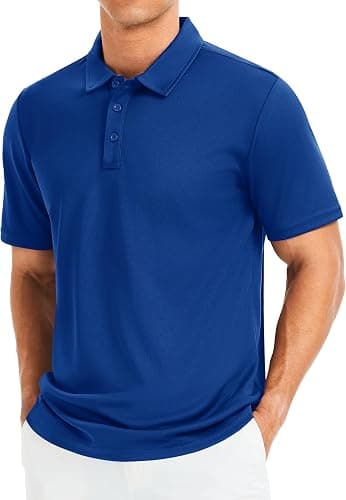
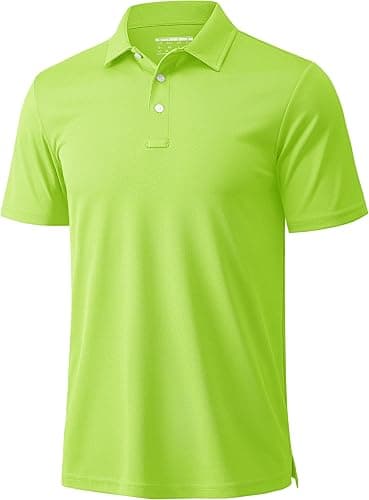
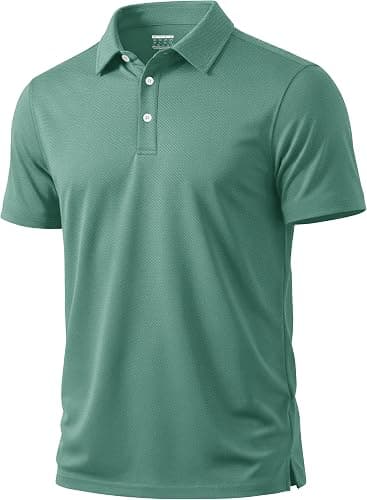
Polo Shirts for Restaurants: lead time
By The Velocity Wear Team
Production runs 10 to 15 working days from artwork approval, with transit on top. For a restaurant the binding constraint is rarely the factory: it is the week spent deciding on a colour, the logo file nobody can find and the headcount that changes twice before the order goes in. Count backwards from opening night and add those in honestly.
What has to happen before the clock starts?
Three things, and none of them are production. The specification has to be settled, meaning fabric, colour, collar and placket and how many positions the logo appears in. The sizes have to be collected from a team that may still be hiring. And the artwork has to be supplied in a usable format and signed off. That signature is what starts the 10 to 15 working days; everything before it runs on your calendar, not ours.
For a new opening the headcount is the usual sticking point, because the last few hires land close to the date. The way round it is to order for the roles rather than the people: a sensible size curve covering the shape of the team, with a small buffer, beats waiting for a final list that arrives too late to use.
How far ahead should a restaurant order?
- 1For an opening, start the specification as soon as the fit-out date is fixed, not when staff are hired.
- 2For a seasonal change, order in the month before the season rather than its first week.
- 3For a rebrand, allow extra time for artwork, which is where rebrands consistently lose days.
- 4For routine replacement, reorder from a stock count before the cupboard is empty.
The last one is the one that catches established venues. Staff turnover in hospitality means shirts leave the building steadily, and by the time somebody notices there are none in medium, the replacement order is 10 to 15 working days away plus transit. A quarterly count avoids it entirely. The restaurants and hospitality page covers the wider kit that tends to run down on the same cycle.
Does a sample fit into a tight timeline?
It fits if you plan it in and derails things if you do not. The sample is £150 and credited against the bulk order, and it is produced and shipped before artwork approval, so it sits ahead of the production window rather than inside it. For hospitality it earns its place: you can wear it through a service, put it through the wash the venue actually uses and see how it holds up against heat and stains before committing the whole team.
Where the date is genuinely immovable and the sample will not fit, the alternative is to simplify the order so there is less to go wrong. One colour, one decoration position, one fabric. Polos start at $18 a piece at the 50-piece minimum on the wholesale polo shirts page, and a simple specification approved today beats a perfect one approved next month.
What if staff numbers change after the order is placed?
Build for it rather than react to it. Extra shirts added while the run is open cost the garment price only; a top-up afterwards is a fresh order at the 50-piece minimum with its own 10 to 15 working day window. In a sector where the team changes month to month, the buffer is not optional — it is the least expensive line on the invoice to get right. What restaurant polo shirts cost shows how little that buffer adds, and briefing a supplier for polo shirts covers getting the specification right first time so nothing has to be revisited.
When are the busy points in a venue year?
The ones that catch people are predictable: a summer season with extra floor staff, a festive period with agency cover, and any refurbishment that ends with a relaunch. Each brings people into the building who need a shirt, and each is on the calendar months in advance. Ordering the uniform for those periods at the same time as the rest of the year is one run rather than three, which is better on price and removes the risk of a seasonal top-up arriving after the season has started. Treat the staffing calendar as the uniform calendar.