Polo Shirts for Offices: size splits
By The Velocity Wear Team
The fifty-piece minimum is per design, not per size, so you can split fifty polos across every size your office needs and across both fits. The practical task is knowing the split before you order. Ask people directly rather than estimating, order a small buffer in the middle sizes, and accept that a handful of swaps is cheaper than a cupboard of unworn extra larges.
How do you collect sizes without chasing everyone?
Put a sizing sample in a room people walk past and let them try it on, or if that is not possible, publish the measurements rather than the letters. Chest width and body length in centimetres tell someone far more than the word medium, which means different things in different brands and different countries. Give a deadline that is a week before you actually need the list, and make the default explicit: anyone who does not reply gets whatever the middle size is.
For offices spread across sites, collect once and keep the list. A maintained size register is the single most useful document an apparel programme has, because it turns every future order into a five-minute job. That is the core idea behind building a corporate apparel program, and it saves far more time than it costs.
Should you order separate mens and womens cuts?
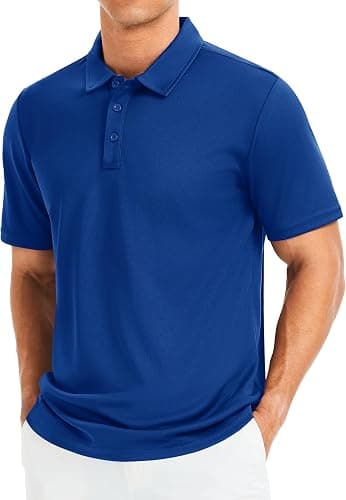
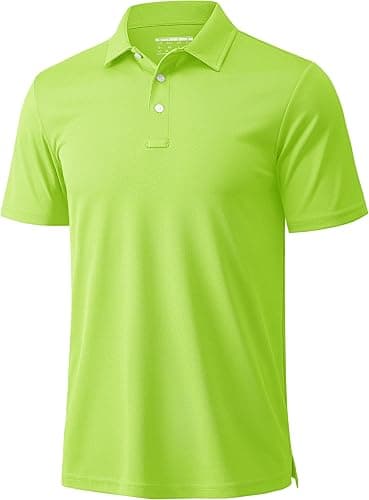
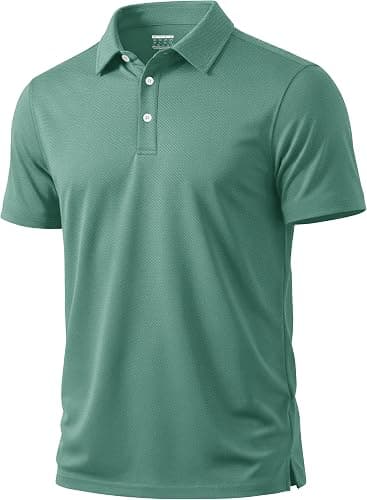
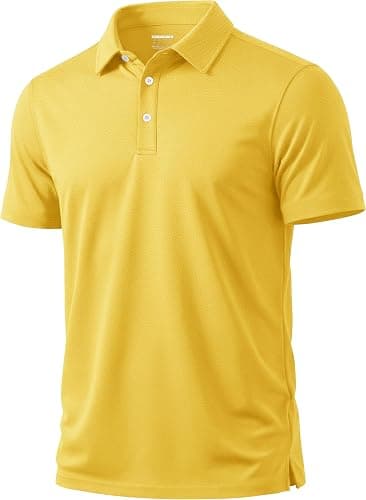
Usually yes, and it costs nothing extra in minimums because both fits sit inside the same design. A womens cut is shaped through the body with a shorter placket and a different collar proportion, and teams notice the difference immediately. The alternative is a unisex fit in a full size range, which suits casual settings and looks noticeably worse in client-facing ones. The fit options are listed on the wholesale polo shirts page, and custom polo shirts: a buyer's guide goes through collars and cut in more detail.
Whichever you choose, apply it consistently. Half a team in a shaped fit and half in unisex reads as an afterthought in photographs, which is usually where office apparel is judged.
What do you do about new starters?
Order for them now. Adding ten pieces to an order of fifty costs the unit price and nothing more, while running a fresh fifty-piece order in four months to dress three people costs an order. A sensible buffer is the hires you genuinely expect before your next planned order, skewed towards the middle sizes because that is where most people land and where swaps come from.
- 1Count everyone who needs kit today, by size and fit
- 2Add the hires you expect before the next order
- 3Add two or three spares in each of the middle sizes for swaps
- 4Round the total up to the next discount tier if you are close to one
How do you avoid dead stock at the ends of the range?
Be honest about the extremes. One or two pieces at each end of the range is a service to the people who need them; six is storage. If somebody sits outside the standard range, ask before you order rather than guessing upward. Leftovers that do accumulate are better used as an onboarding reserve than as an excuse to reduce the next order, since the sizes left over are precisely the ones nobody wanted. The corporate page covers how firms structure kit across teams, and polo shirts for offices: cost shows how the total quantity moves your price.
Keep the finished split somewhere other than an inbox. A shared document listing names, fits, sizes and the date it was last checked survives staff changes and turns next year's order into a five-minute job. Reviewing it once a year rather than rebuilding it also catches the people whose size has changed and who were never going to mention it.