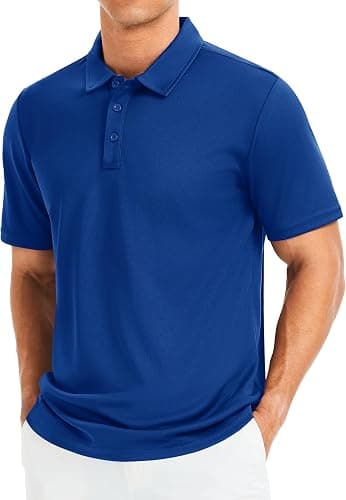
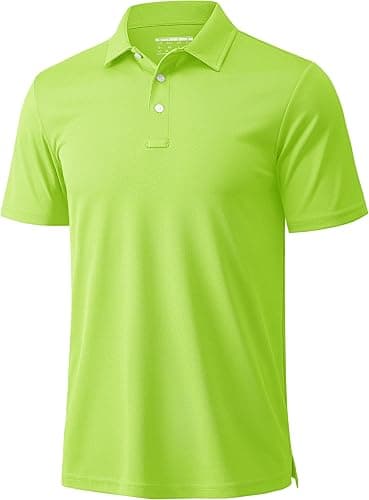
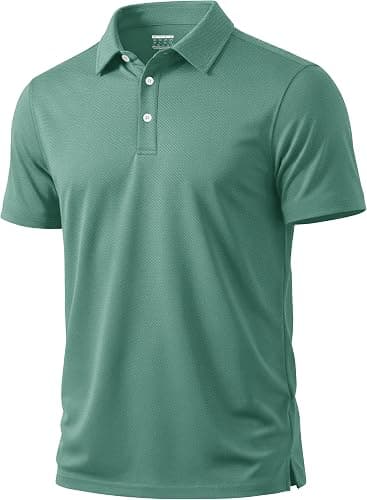
Polo Shirts for Trades: size splits
By The Velocity Wear Team
Mixed sizes cost nothing inside the 50-piece minimum, so build the curve around how the shirt is worn. Site polos sit over a base layer in winter and under a vest most of the year, which pushes the whole curve up a size compared with an office order. Weight the spares to the middle, and record what is left over.
Why does layering change the size curve?
Because the polo is rarely the only thing on. In colder months it goes over a base layer and under a fleece or a jacket; on site it spends most of the day under a vest with straps across the shoulders. A shirt sized to fit neatly on bare skin ends up pulling across the back once all of that is in place. The practical answer is to allow for it in the curve rather than expecting people to size up individually, because half of them will not.
Fabric affects how much slack you need. A performance knit gives with movement and is more forgiving under straps, while a heavier piqué holds its shape and needs the room designed in. The wholesale polo shirts page lists both, and the choice should be made alongside the sizing rather than after it.
How do you collect sizes from a crew?
- Ask through the site supervisor rather than by email, and set a closing date.
- State a default for anyone who does not answer, so the order is never held up by three people.
- Give a chest measurement guide rather than relying on what people think they wear.
- Record it against names, so the next order starts from data instead of another round of asking.
Sizes are the most common reason a trade order arrives late, and the delay is never in production. A crew spread across sites and shifts takes longer to poll than an office does, so start the collection before the specification is finalised rather than after. Lead times for trade polo orders sets out where that step sits in the schedule.
How many spares, and in which sizes?
Enough to kit out a new starter the day they arrive, weighted heavily towards the middle of the range. Construction crews change through a year and damage is routine rather than exceptional, so the buffer is doing real work. Spares ordered inside the original run cost the garment price alone, because the setup is already paid for across the order. A top-up later is a new order at the 50-piece minimum, which is a disproportionate answer to needing four shirts.
Keep the spares somewhere controlled: a site office cupboard with a list, rather than the back of a van. The construction and trades page covers what else sits in that cupboard, and handing out polo shirts to a team covers the handout process once the boxes land.
What do you do with the sizes you got wrong?
Hold them and correct the next curve. Leftover shirts in a size nobody took are the clearest data you will ever get about your own crew, and they cost nothing to keep while the design stays the same. What is not worth doing is ordering again immediately to plug a gap, since the minimum applies to every order and a three-shirt problem does not justify fifty. What trade polo shirts cost covers how those quantities price out across the bands.
Where should the size record live?
With whoever issues the kit, in a form that survives them leaving. A list of names against sizes, updated as people join and go, turns the next order into arithmetic rather than another round of asking a crew who are spread across sites and shifts. It also shows you the shape of your own workforce over time, which is the only size guide that genuinely applies to your firm. Keep it with the specification — fabric, colour, decoration positions and artwork file names — so the whole order can be repeated from one page.