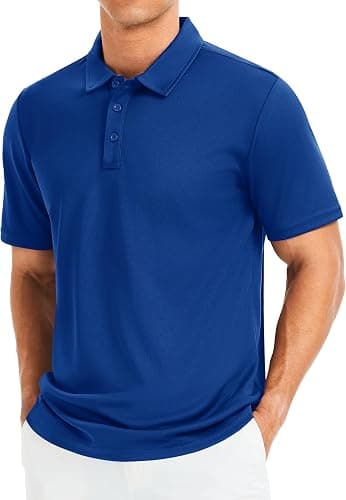
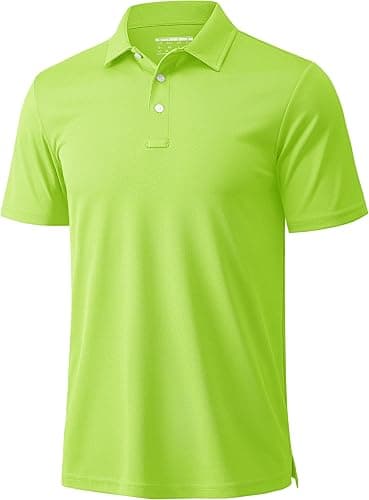
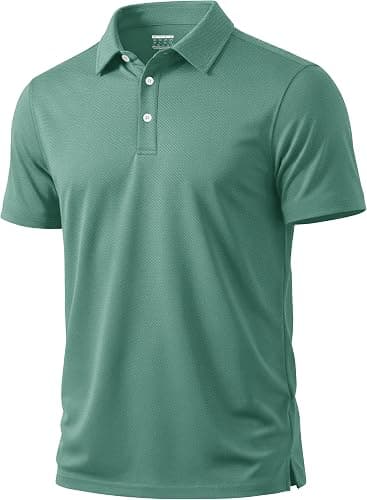
Polo Shirts for Trades: lead time
By The Velocity Wear Team
Production runs 10 to 15 working days from artwork approval, and transit follows it. On a construction job the practical problem is that uniform is ordered once a contract is signed, which is usually the same week the crew is meant to be on site. Separate the two: order branded kit against your rolling headcount, not against individual contracts.
Why does trade kit get ordered late?
Because it is treated as contract-specific when it rarely is. A polo with the company logo on it works on every job, so waiting for a particular contract to be confirmed before ordering builds a delay into something that did not need one. Firms that hold stock against their own headcount are never waiting; firms that order per job are always waiting.
The second reason is artwork. A logo held as a JPEG on somebody phone has to be rebuilt in vector before it can be stitched or printed, and that happens before the production window opens rather than inside it. Sorting the artwork once, properly, removes the delay permanently. The construction and trades page covers the wider kit that tends to share the same file.
What does the timeline look like in practice?
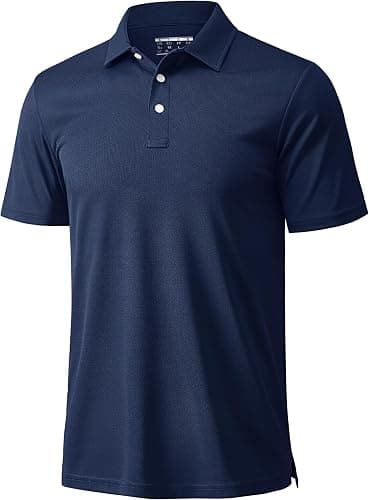
- 1Settle the specification: fabric, colour, collar and placket, and how many decoration positions.
- 2Fix the artwork in vector, once, and keep the file where the next person can find it.
- 3Agree quantities against headcount plus a buffer for new starters and damage.
- 4Approve artwork. The 10 to 15 working day production window starts here.
- 5Shipping, which is quoted on weight and destination and sits after production.
- 6Distribution to sites, which on a multi-site job needs its own planning.
Step six catches people out on construction work more than anywhere else, because the crew is not in one building. Decide at order stage whether the delivery goes to one office and gets redistributed or straight to each site, since that is a delivery question and it belongs in the quote.
How do you cover a start date you cannot move?
Hold stock. A buffer of shirts in the common sizes, ordered as part of a run that was happening anyway, costs the garment price only and covers a new starter the same day. The alternative is a top-up order at the 50-piece minimum with a fresh 10 to 15 working day window, which is a poor answer to four people joining on Monday. Polos start at $18 a piece at that minimum on the wholesale polo shirts page, so the buffer is cheap relative to the disruption it prevents.
If the date is already tight, simplify rather than push. One colour, one position, one fabric, and a size curve with a sensible default. Each decision removed is a day recovered before the clock starts. What trade polo shirts cost covers what those simplifications do to the price, and branding crews and hi-vis covers how the polo fits with the rest of the site kit.
Does a sample delay a trade order?
It sits before the production window, not inside it, so it adds time rather than extending the build. For site work it is worth the days: £150, credited against the bulk order, and a shirt you can put on an operative for a week to see how it handles a tool belt and a vest. On a repeat of a proven specification you can reasonably skip it, which is another argument for settling the spec once and reordering against it.
What does a standing order calendar look like?
A count twice a year and one main order, with the quantity set by headcount plus the turnover you actually see rather than the turnover you hope for. Firms that run this way place a larger order less often, which puts them in a better quantity band and removes the scramble entirely. The alternative — ordering whenever somebody notices the cupboard is empty — guarantees the smallest quantity at the worst moment, every time. Pick two months in the year, put the count in the diary, and let the calendar rather than the shelf trigger the order.