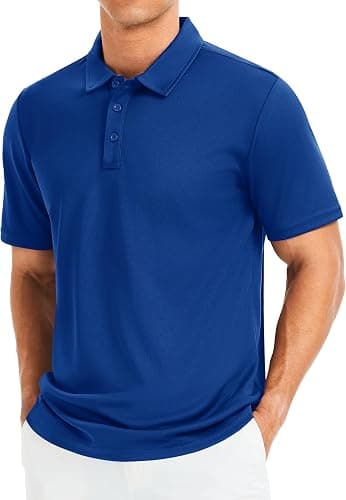
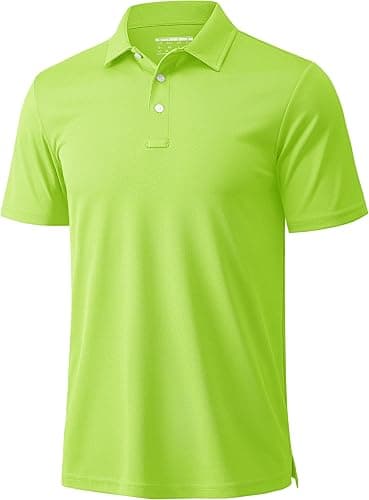
Polo Shirts for Trades: cost
By The Velocity Wear Team
Trade polo shirts open at $18 a piece at the 50-piece minimum, with sizes mixed freely inside that 50, and the price steps down through five quantity bands to as much as 35% below the opening figure. For site work the figure that counts is cost per shirt per year, because a polo that fails in three months has been bought twice.
What drives the price on a trade order?
Quantity per design, first and always. A contractor ordering one polo for every operative across three sites is buying a single design in volume, which is the best position to be in. A firm ordering a different colour per trade is buying three designs, each carrying its own 50-piece minimum and each sitting in the lowest band. The bands are published on the pricing page and the steps between them are worth planning around.
Fabric is the second driver, and on site it is the one that decides whether the order was good value. A piqué cotton wears comfortably and takes a knock; a performance knit moves sweat when the polo is a base layer under a hi-vis vest all day. Both are on the wholesale polo shirts page, and the right one depends on how the shirt is actually worn rather than on what it costs.
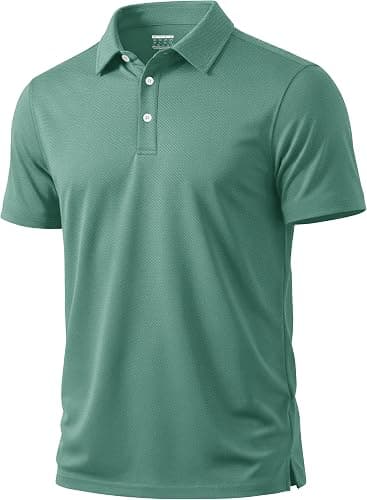
Why does a cheaper shirt often cost more?
- Abrasion. Straps, tool belts and kneeling wear a light knit out at the shoulder and hem first.
- Wash frequency. Site clothing is washed hard and often, and a thin fabric shows it quickly.
- Replacement cycles. Buying twice means paying the setup and the minimum twice.
- Appearance. A worn-out branded polo on a client site does more harm than no branding at all.
None of that is an argument for the most expensive option. It is an argument for specifying against how the garment is used, then buying enough of it. The saving from a thinner fabric is a few percent of the garment line; the cost of reordering the whole run early is a new 50-piece minimum and a new setup.
What else lands on the invoice?
Decoration by position, setup charged once per position, the £150 sample credited back against the bulk order, and delivery quoted on weight and destination. On a trade order the position count is worth watching: a chest logo plus a back mark for site visibility is two setups, and back marks are common enough in construction that they are easy to forget when budgeting. Budgeting a bulk polo order breaks those lines down in full.
How do you get the most out of a single order?
Consolidate. One design across every trade and every site gives you the highest quantity, one setup and no colour-matching problem between runs. Order per operative in multiples rather than singles, since a site polo needs a rotation the same way any daily work garment does. And place the order once rather than in instalments, because each instalment is a separate order at the minimum. The construction and trades page covers what usually gets ordered alongside, and lead times for trade polo orders covers when to place it.
Is private label worth it on site kit?
For most contractors, no. Custom woven neck labels, tear-out labels and swing tags earn their place on garments that are sold or handed to clients, and a site polo is neither. The money is better spent on the fabric, which is the part that decides whether the shirt is still presentable in six months. Where it does make sense is a firm that also sells branded kit to customers or gives it to clients, in which case the finishing is what separates the retail version from the working version without needing a different garment.