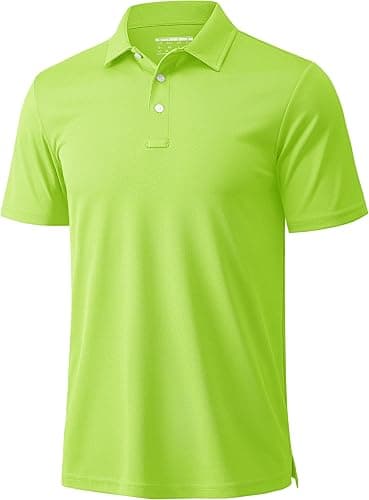
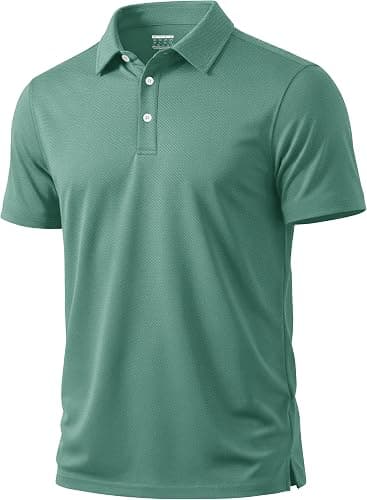
Polo Shirts for Trades: reordering
By The Velocity Wear Team
A trade polo reorder runs from the artwork and specification already on file, so there is nothing to approve again unless something has changed. The 50-piece minimum still applies per design, the price still starts at $18 a piece and rises through the same discount tiers, and production is still 10 to 15 working days. The one thing worth planning is colour consistency, because dye lots and thread batches do not repeat perfectly.
What is different about the second run?
Most of the work has already been done. Your stitch file exists, the garment specification is recorded, the placements are measured and the size split from last time is a real piece of evidence rather than a guess. What usually changes is the shape of the order: the crew has grown, three people have left, and the mediums went first because they always do. A reorder is the moment to correct a split that was wrong rather than repeat it faithfully.
Worn-out garments are worth looking at before you place it. If collars have gone soft while the body is fine, the collar build is the thing to change. If the logo has held but the fabric has thinned at the shoulder, the knit weight is wrong for the work. Both are quick specification changes rather than a new project, and the options are on the wholesale polo shirts page.

Will the new batch match the old one?
Closely, but not invisibly, if the runs are far apart. Fabric is dyed in lots, and two lots of the same colour reference can sit a shade apart in daylight even when they are indistinguishable indoors. Thread has the same behaviour on a smaller scale. Tell us at the point of reorder that the new pieces will be worn alongside the old ones and we will work to the original references, but the reliable fix is scale: order the replacements in one batch rather than in threes and fours across a year.
The other approach is deliberate difference. Some firms run a new garment colour each year so that the age of a polo is obvious at a glance and worn kit gets retired rather than quietly kept in a van. That also gives you a clean break for a logo update. Which way you go usually follows how client-facing the crew is, and the construction and trades page covers the presentation side.
How many spares should you hold?
Enough to cover new starters and casualties until the next planned order, which for most trade firms means adding a working month of headroom to whatever the headcount needs. A polo that gets caught on a fixing is gone that day, and nobody wants to run a fifty-piece order to replace two. Because the minimum is per design and sizes mix freely inside it, the spares cost you nothing extra in setup, only in unit price at the tier you land on.
Does a reorder cost less than the first one?
Per piece, only if the quantity is higher. The tiers run 50 to 99, 100 to 249, 250 to 499, 500 to 999 and 1,000 and above, with the discount climbing to 35% off the 50-piece price at the top. A firm placing two runs of 60 pays more per polo than one placing a single run of 120, which is the strongest argument for consolidating restocks into one annual order. Decoration choices affect that arithmetic too, and polo shirts for trades: print or embroidery explains where the setups sit. If you are also branding hi-vis in the same run, construction shirts with logo is the companion piece.
One habit makes every future run easier. Keep one polo from each batch unwashed, in a bag, with the date written on it. If a colour or placement question comes up two years later, a physical reference settles it in seconds where an email search will not.