Polo Shirts for Trades: print or embroidery
By The Velocity Wear Team
Embroidery is the default on a trade polo and print is the exception. Thread sits inside the fabric, so it survives the abrasion, the layering and the constant washing that site work puts a collar through, and it does not crack where a hi-vis vest rubs across the chest all day. Print earns its place when the mark is large, photographic, or sits on the back at a size thread cannot reach sensibly.
Which decoration method holds up on site?
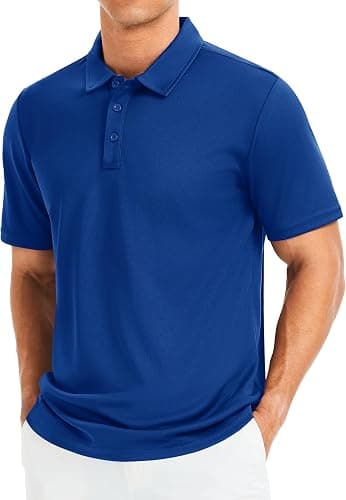
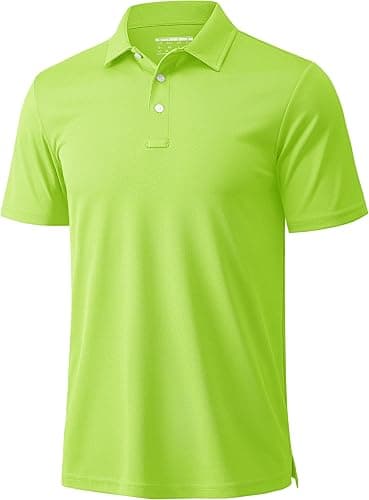
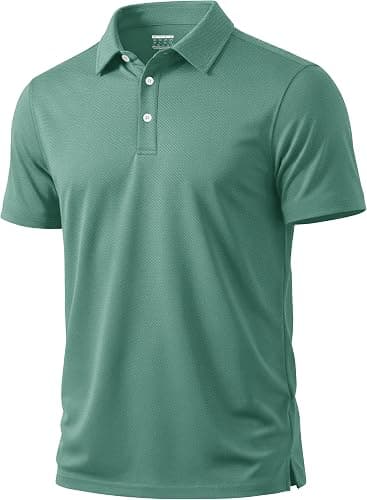
Embroidery goes into the cloth rather than on top of it, so there is nothing to lift when a polo is dragged against scaffold boards or washed hot five nights a week. On a piqué knit the textured surface also hides the small amount of distortion stitching causes, which is why piqué is the usual choice for trade kit. Performance knits are smoother and lighter, and they need a backing behind the stitch area so the logo does not pull the fabric out of shape. That backing is set up as standard on the wholesale polo shirts we run for trade customers.
Print still has a job. DTF handles gradients, photographic marks and company logos that would otherwise need six thread shades and still lose their fine lines. Screen printing is the method for a large flat-colour trade name across the shoulders, where thread would be heavy, slow and expensive. The deciding factors are size and colour count: anything much wider than a hand span, or carrying more than four colours, is usually a print job rather than a stitch job.
Where should the logo go on a work polo?
Left chest is the default because it stays visible under an open vest. If your crews wear closed vests or harnesses, move the mark to the sleeve or to a yoke position high on the back, above the line where a vest ends. A back print sitting between the shoulder blades disappears the moment the vest goes on, which is how firms end up paying for branding nobody sees. The construction and trades page sets out the layering questions we ask before quoting.
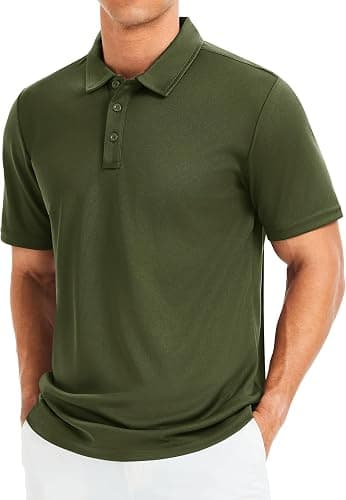
Collar and placket choices matter more than they look. A hard-backed collar keeps its shape after months of washing, where a soft collar curls and makes a smart polo look tired within a season. Three-button plackets suit crews who work with the collar open; two-button suits a tidier look for client-facing visits. Contrast plackets are a cheap way to separate supervisors from the rest of the team without ordering a second design.
What does decoration add to the price?
Polo shirts start at $18 a piece at the 50-piece minimum, and the fifty can be mixed across sizes however your crew falls. Embroidery is priced on stitch count, so a compact badge costs less than a badge with a strapline under it. Screen printing is priced per colour per placement, because every colour is its own screen. Both setups are absorbed once and then spread across the run, which is why the discount climbs with quantity, up to 35% off the 50-piece price at the top tier.
What should you send before we quote?
Vector artwork saves a step, but a clean photograph of an existing polo is enough to start from. Tell us the garment colour you are matching, the positions you want and whether the logo has to read under a vest. If you want the stitching in your hands before committing, a £150 sample is credited against the bulk order, and the process is set out in polo shirts for trades: samples. For how the same logo behaves on hi-vis, fleeces and softshells, construction and trade workwear branding covers the rest of the kit list.
- The logo, as vector artwork or the sharpest file you hold
- The garment colour and any thread or ink colours you need matched
- Every placement you want, and whether a vest or harness covers it
- Your size split across the fifty, including any tall or long fits
- The date the kit has to be on site, so we can work the timeline backwards
Production runs 10 to 15 working days from artwork approval, before transit. Approval is the trigger, not the order date, so a logo that comes back for a second round of changes moves the delivery date with it.